Secondary nav 2022

  • Equipment
  • Software
  • Training

Main navigation 2022

  • About
    • About HR Wallingford
    • Our leadership
    • Our people
    • Our impact
      • Annual report & financial statements
      • Gender pay
      • Social impact
      • Sustainability
    • Our story
    • News
    • Insight articles
    • Policies
  • Projects
  • Expertise
    • Coastal & marine sustainability
      • Coastal hazards & resilience
      • Coastal morphology & sediment dynamics
      • Dredging and sediment management
      • Marine & coastal environment
      • Ports, harbours and shipping
      • Subsea engineering
      • Waterfronts, marinas and resorts
    • Energy transition
      • Fixed offshore wind
      • Floating offshore wind
      • Liquified gas & transition fuels
      • Nuclear
      • Wave, tidal, solar & hydropower
    • Water & climate resilience
      • Dams & reservoirs
      • Freshwater environment
      • Integrated flood management
      • Surface water systems
      • Water management for climate resilient development
      • Water supply & drought resilience
  • Facilities
    • Explore our facilities
    • Ship simulation
      • Australia Ship Simulation Centre
      • UK Ship Simulation Centre
    • Physical modelling
      • Fast Flow Facility
      • Tsunami simulator
      • Volumetric flow flume
      • Wave basins
      • Wave flumes
      • Erosion rate measurement
      • Water rescue training
  • Careers
    • Careers overview
    • Working at HR Wallingford
    • Job opportunities
  • Contact
  • About
    • About HR Wallingford
    • Our leadership
    • Our people
    • Our impact
      • Annual report & financial statements
      • Gender pay
      • Social impact
      • Sustainability
    • Our story
    • News
    • Insight articles
    • Policies
  • Projects
  • Expertise
    • Coastal & marine sustainability
      • Coastal hazards & resilience
      • Coastal morphology & sediment dynamics
      • Dredging and sediment management
      • Marine & coastal environment
      • Ports, harbours and shipping
      • Subsea engineering
      • Waterfronts, marinas and resorts
    • Energy transition
      • Fixed offshore wind
      • Floating offshore wind
      • Liquified gas & transition fuels
      • Nuclear
      • Wave, tidal, solar & hydropower
    • Water & climate resilience
      • Dams & reservoirs
      • Freshwater environment
      • Integrated flood management
      • Surface water systems
      • Water management for climate resilient development
      • Water supply & drought resilience
  • Facilities
    • Explore our facilities
    • Ship simulation
      • Australia Ship Simulation Centre
      • UK Ship Simulation Centre
    • Physical modelling
      • Fast Flow Facility
      • Tsunami simulator
      • Volumetric flow flume
      • Wave basins
      • Wave flumes
      • Erosion rate measurement
      • Water rescue training
  • Careers
    • Careers overview
    • Working at HR Wallingford
    • Job opportunities
  • Contact
  1. Home >
  2. Projects >
  3. FLOODsite: Integrated flood risk analysis and management
FLOODsite: Integrated flood risk analysis and management

Share

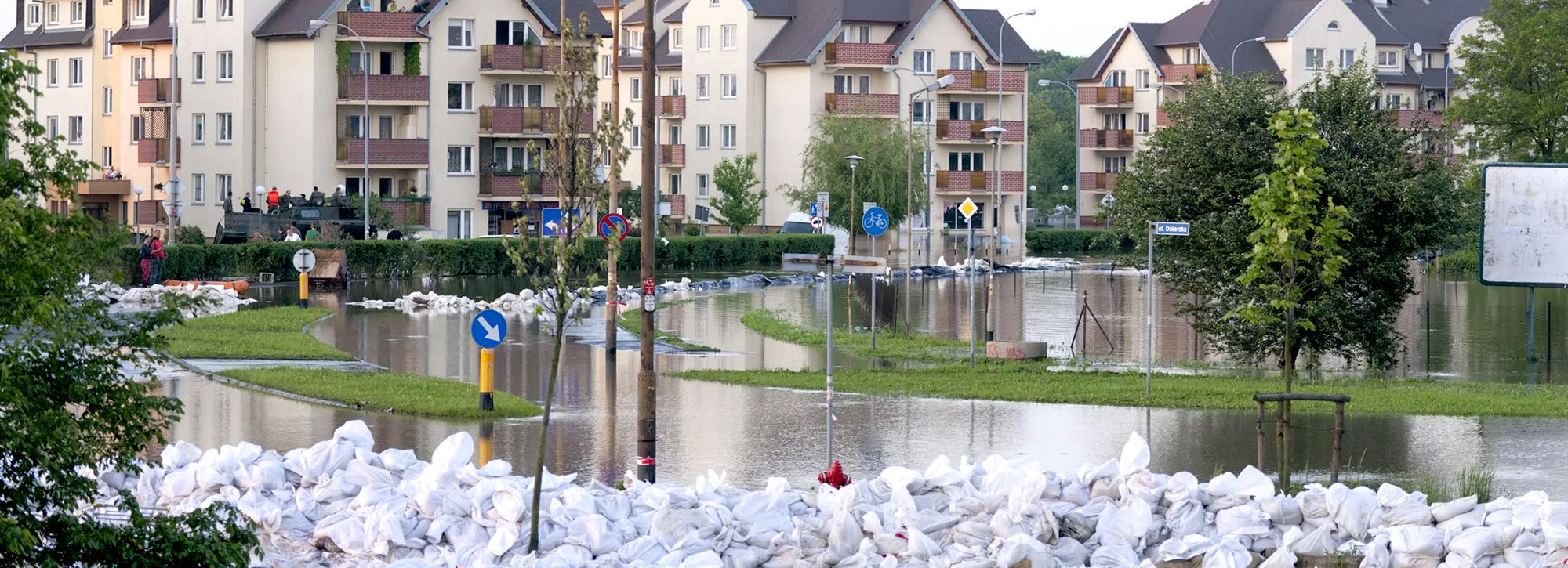
The five-year FLOODsite project was the largest ever European Commission (EC) project on floods, involving a team of over 200 researchers from 37 institutions in 13 countries. HR Wallingford was responsible for co-ordinating and managing the overall project, as well as contributing to (and sometimes leading) several of the scientific research tasks.

The results of the FLOODsite research project are a valuable resource for all involved with flood risk management and are supporting actions required by the European Directive on the assessment and management of flood risks.

Developing our understanding of flood risk

FLOODsite was an interdisciplinary project, integrating expertise from across physical, environmental and social sciences, as well as spatial planning and management. The project had over 30 research tasks in seven Themes including pilot applications in Belgium, the Czech Republic, France, Germany, Hungary, Italy, the Netherlands, Spain and the UK.

At the end of the project, the results were made public, including over 140 reports on the project website, www.floodsite.net. In all, the project team produced over 600 publications in the form of journal and conference papers, contributions to books and project reports.

The main research advances that resulted from the FLOODsite project broadly fall into three categories:

  • flood risk analysis including: statistics of extremes, reliability of flood defences, and assessment of social and economic consequences of floods.
  • flood risk management practice including: developing and assessing strategic alternatives, flood warning and emergency management.
  • support for decision-making processes on long-term planning and flood event management.

Research contribution

Key areas where HR Wallingford researchers provided a significant contribution to the scientific content of the project included:

  • analysis of extremes, joint probability analysis and hydraulic loadings
  • understanding and predicting failure modes of defences and modelling defence breach
  • predicting morphological changes, mostly related to rivers and estuaries
  • reliability analysis of flood defences, including the development of a new software tool called RELIABLE
  • emergency flood management and evacuation modelling
  • decision support frameworks for long-term planning, including a prototype tool for the Thames Estuary
  • decision support framework for flood event management, including a prototype tool called FLINTOF
  • the Thames Estuary pilot study, which developed a quantified model for flood risk analysis that could be used for long-term planning and asset management.

Sharing research outcomes

Due to the scale of this project, the project co-ordination and communication and dissemination activities were of particular importance and the approaches adopted by HR Wallingford proved highly effective. This included:

  • a report called “The Language of Risk” with agreed definitions of flood risk terminology to enable team members to communicate more effectively within the project and beyond.
  • a Communication and Dissemination Plan that can be used as a template for future large research projects.
  • a project website, www.floodsite.net, used by project partners throughout the project, but which now provides the public with a vast range of information on flood risk, linking to final project documents, tools, animations and demonstrations.

FLOODsite was an Integrated Project supported by the European Commission Sixth Framework Programme within the Action on Natural Disasters in the Priority Thematic Area Sustainable Development, Global Change and Eco-systems. Contract GOCE-CT-2004-505420. Neither the European Community nor any member of the FLOODsite Consortium is liable for any use of the research information.

Want to know more?

floodsite.net

Get in touch

Caroline Hazlewood
Director of Water and Climate
Contact Profile

Explore more

  • All
  • Project
  • Expertise
  • News
  • Insight
  • Facility
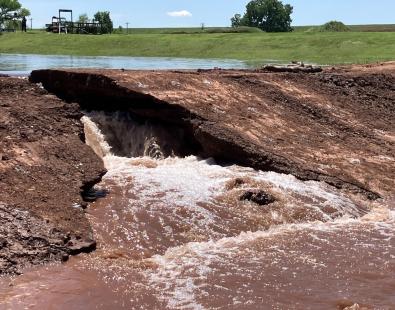
View of a dam breach experiment

Dam and levee models assessed for predicting internally initiated breaches

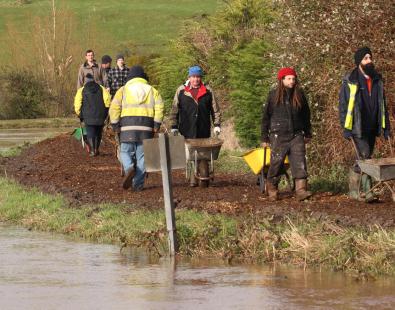
view of people helping during a flood event

Empowering communities to manage local flood risk

Flood early warning system to support tropical cyclone relief

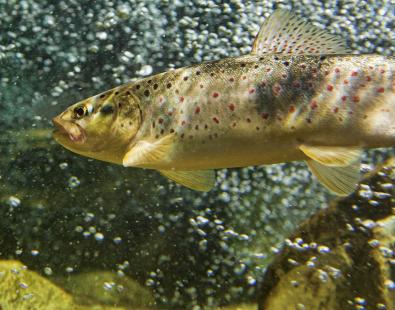
View of brown trout in river

Setting the standards for fish passes

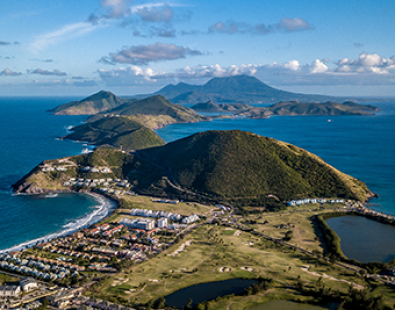
Aerial view of St Kitts and Nevis Caribbean island

St Kitts and Nevis Climate Risk Intelligence Data Infrastructure

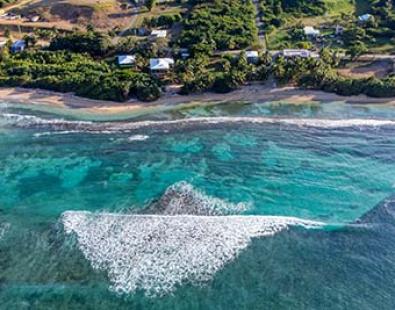
view of coral reef along coast

Insuring the benefits of nature-based solutions in the Caribbean

close view of leaky dam

RAIN: Innovative approaches to flood resilience

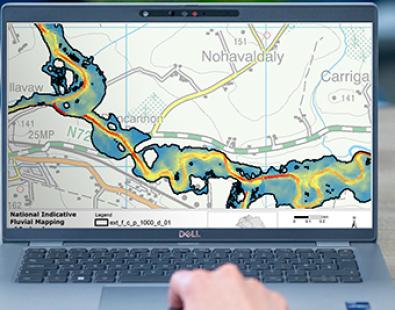
National flood mapping for Ireland

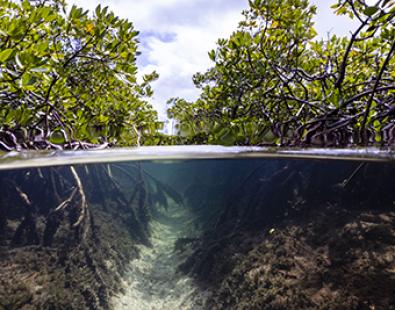
image of mangrove forest and underwater channel

Nature-based solutions in the Caribbean

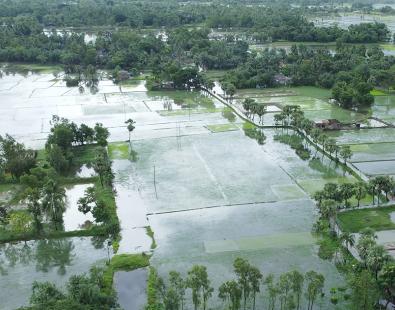
Flooded fields in west bengal

Using satellite data to evaluate the impact of severe weather in India

Bulgaria flood hazard and risk mapping

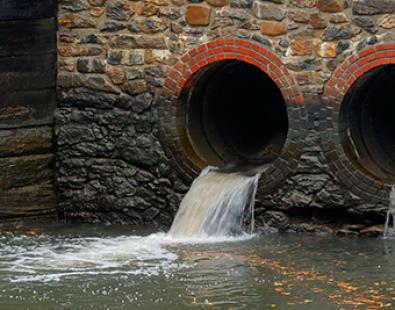
image of flow coming out of a brick combiner sewer

Storm overflows: automating the audit

We are global leaders and independent experts in how to live and work sustainably with water

Social media

  • BlueSky
  • LinkedIn
  • YouTube

Expertise

  • Coastal & marine
  • Energy transition
  • Water & climate
  • Software solutions
  • Equipment & technology

Company

  • About
  • Careers
  • News
  • Insights
  • Sustainability

Legal

  • Privacy & data protection
  • Policies
  • Modern slavery statement
  • Terms & conditions
  • Sitemap
© 2026 HR Wallingford
Contact