Secondary nav 2022

  • Equipment
  • Software
  • Training

Main navigation 2022

  • About
    • About HR Wallingford
    • Our leadership
    • Our people
    • Our impact
      • Annual report & financial statements
      • Gender pay
      • Social impact
      • Sustainability
    • Our story
    • News
    • Insight articles
    • Policies
  • Projects
  • Expertise
    • Coastal & marine sustainability
      • Coastal hazards & resilience
      • Coastal morphology & sediment dynamics
      • Dredging and sediment management
      • Marine & coastal environment
      • Ports, harbours and shipping
      • Subsea engineering
      • Waterfronts, marinas and resorts
    • Energy transition
      • Fixed offshore wind
      • Floating offshore wind
      • Liquified gas & transition fuels
      • Nuclear
      • Wave, tidal, solar & hydropower
    • Water & climate resilience
      • Dams & reservoirs
      • Freshwater environment
      • Integrated flood management
      • Surface water systems
      • Water management for climate resilient development
      • Water supply & drought resilience
  • Facilities
    • Explore our facilities
    • Ship simulation
      • Australia Ship Simulation Centre
      • UK Ship Simulation Centre
    • Physical modelling
      • Fast Flow Facility
      • Tsunami simulator
      • Volumetric flow flume
      • Wave basins
      • Wave flumes
      • Erosion rate measurement
      • Water rescue training
  • Careers
    • Careers overview
    • Working at HR Wallingford
    • Job opportunities
  • Contact
  • About
    • About HR Wallingford
    • Our leadership
    • Our people
    • Our impact
      • Annual report & financial statements
      • Gender pay
      • Social impact
      • Sustainability
    • Our story
    • News
    • Insight articles
    • Policies
  • Projects
  • Expertise
    • Coastal & marine sustainability
      • Coastal hazards & resilience
      • Coastal morphology & sediment dynamics
      • Dredging and sediment management
      • Marine & coastal environment
      • Ports, harbours and shipping
      • Subsea engineering
      • Waterfronts, marinas and resorts
    • Energy transition
      • Fixed offshore wind
      • Floating offshore wind
      • Liquified gas & transition fuels
      • Nuclear
      • Wave, tidal, solar & hydropower
    • Water & climate resilience
      • Dams & reservoirs
      • Freshwater environment
      • Integrated flood management
      • Surface water systems
      • Water management for climate resilient development
      • Water supply & drought resilience
  • Facilities
    • Explore our facilities
    • Ship simulation
      • Australia Ship Simulation Centre
      • UK Ship Simulation Centre
    • Physical modelling
      • Fast Flow Facility
      • Tsunami simulator
      • Volumetric flow flume
      • Wave basins
      • Wave flumes
      • Erosion rate measurement
      • Water rescue training
  • Careers
    • Careers overview
    • Working at HR Wallingford
    • Job opportunities
  • Contact
  1. Home >
  2. Interactive Video Tour >
  3. Water rescue training

Water rescue training

Share
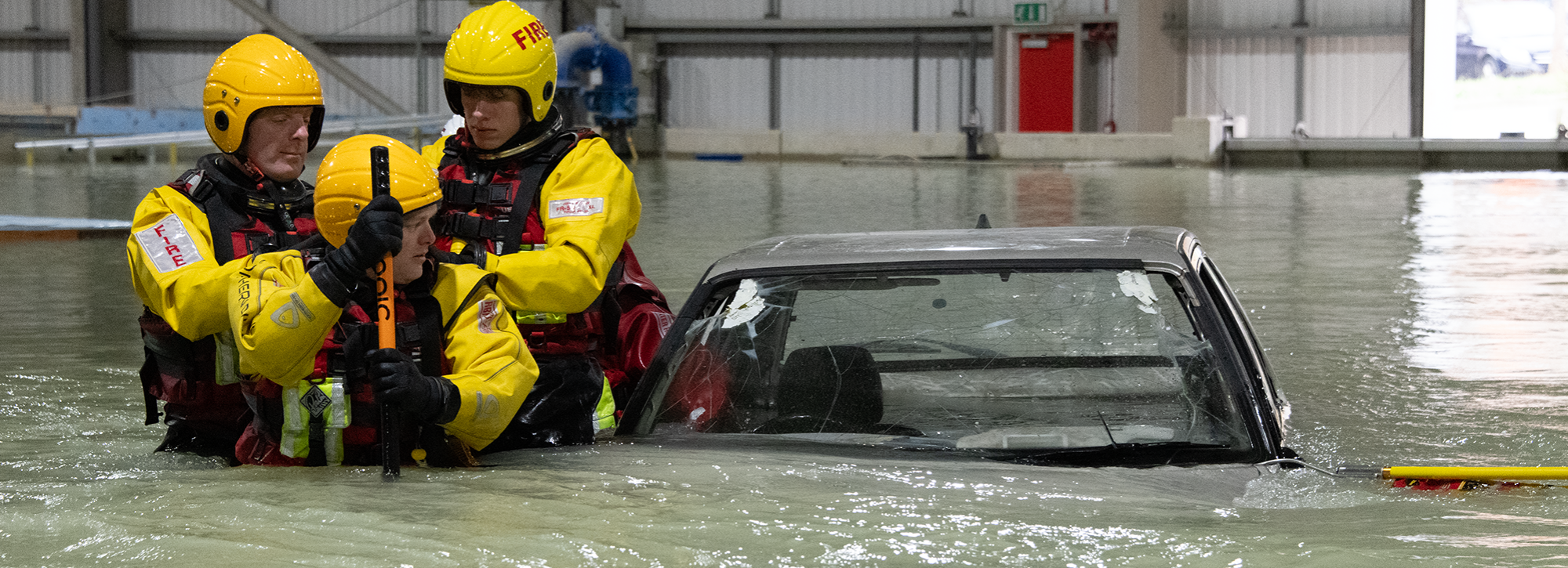
Emergency services in a water rescue training

As the UK faces more frequent and intense flooding due to climate change, the need for highly trained emergency responders has never been greater. But how do you safely train for dangerous, fast-moving floodwaters without putting lives at risk? HR Wallingford offers a safe, controlled space where UK emergency services can practice flood and water rescues to prepare for real-life emergencies.

A controlled environment for unpredictable emergencies

HR Wallingford is home to one of the world’s most advanced hydrodynamic research centres. But beyond the science, it plays a vital role in public safety - offering a state-of-the-art indoor training basin where emergency services can simulate real-life flood rescues in a safe, controlled setting.

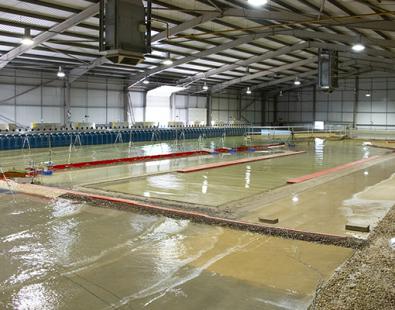
Our 30-by-23 metre indoor basin can be filled to water depths up to one metre, and is capable of mimicking everything from fast-flowing white water to submerged vehicles. It’s where rescue teams can practice the skills they’ll need when lives are on the line.

Why train indoors?

Natural rivers are unpredictable - and often polluted. HR Wallingford’s indoor setup offers several key advantages:

Tailored scenarios: Each training session is built to match the specific needs of the rescue teams, from raft rescues to underwater wading.

Consistency and control: Every recruit gets the same high-quality experience; over 200 recruits can be trained in just six weeks.

Safety first: Our clean, indoor environment offers better health and safety standards than many UK rivers.

All-weather access: Rain or shine, training goes on. Our indoor basin means no cancellations due to bad weather.

And it’s not just about the water. The facility includes a classroom for theory sessions, a large private car park for emergency vehicles, and a nearby café for refuelling between drills.

Meeting training national standards

All training at HR Wallingford aligns with the UK’s official flood rescue standards, set by the Department for Environment, Food and Rural Affairs (Defra). These include:

Module 1  Water and Flood Awareness
Module 2  Water and Flood First Responder
Module 3   Water and Flood Rescue Technician

While HR Wallingford doesn’t deliver the training itself, it partners with certified instructors to ensure every scenario meets or exceeds national requirements.

Preparing for a wetter future

As flooding becomes a more common threat, facilities like HR Wallingford are essential. They provide a safe space for emergency responders to hone their skills—so when the waters rise, they’re ready.

Get in touch

Lauren Sobey

Graduate Scientist
Contact Profile

Explore more

  • All
  • Project
  • Expertise
  • News
  • Insight
  • Facility

Erosion rate measurement

View of a wave generated in our wave flume

Wave flumes

View of fish pass test in volumetric flow flume

Volumetric flow flume

View of fish pass test in volumetric flow flume

Volumetric flow flume

Photo of two people working on the tsunami simulator

Tsunami simulator

Photo of two people working on the tsunami simulator

Tsunami simulator

View from inside our ship simulation center in Australia

Australia Ship Simulation Centre

Wave basins

View inside the UK Ship simulator with screens

UK Ship Simulation Centre

Fast Flow Facility

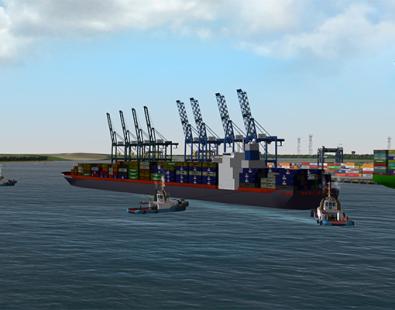
Computer simulation view of Felixstowe port simulation, UK

Ship simulation at HR Wallingford

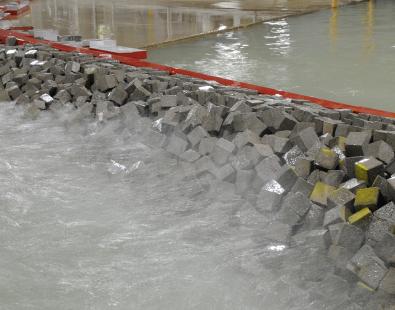
View of testing of breakwater on physical models

Physical modelling

We are global leaders and independent experts in how to live and work sustainably with water

Social media

  • BlueSky
  • LinkedIn
  • YouTube

Expertise

  • Coastal & marine
  • Energy transition
  • Water & climate
  • Software solutions
  • Equipment & technology

Company

  • About
  • Careers
  • News
  • Insights
  • Sustainability

Legal

  • Privacy & data protection
  • Policies
  • Modern slavery statement
  • Terms & conditions
  • Sitemap
© 2026 HR Wallingford
Contact