Secondary nav 2022

  • Equipment
  • Software
  • Training

Main navigation 2022

  • About
    • About HR Wallingford
    • Our leadership
    • Our people
    • Our impact
      • Annual report & financial statements
      • Gender pay
      • Social impact
      • Sustainability
    • Our story
    • News
    • Insight articles
    • Policies
  • Projects
  • Expertise
    • Coastal & marine sustainability
      • Coastal hazards & resilience
      • Coastal morphology & sediment dynamics
      • Dredging and sediment management
      • Marine & coastal environment
      • Ports, harbours and shipping
      • Subsea engineering
      • Waterfronts, marinas and resorts
    • Energy transition
      • Fixed offshore wind
      • Floating offshore wind
      • Liquified gas & transition fuels
      • Nuclear
      • Wave, tidal, solar & hydropower
    • Water & climate resilience
      • Dams & reservoirs
      • Freshwater environment
      • Integrated flood management
      • Surface water systems
      • Water management for climate resilient development
      • Water supply & drought resilience
  • Facilities
    • Explore our facilities
    • Ship simulation
      • Australia Ship Simulation Centre
      • UK Ship Simulation Centre
    • Physical modelling
      • Fast Flow Facility
      • Tsunami simulator
      • Volumetric flow flume
      • Wave basins
      • Wave flumes
      • Erosion rate measurement
      • Water rescue training
  • Careers
    • Careers overview
    • Working at HR Wallingford
    • Job opportunities
  • Contact
  • About
    • About HR Wallingford
    • Our leadership
    • Our people
    • Our impact
      • Annual report & financial statements
      • Gender pay
      • Social impact
      • Sustainability
    • Our story
    • News
    • Insight articles
    • Policies
  • Projects
  • Expertise
    • Coastal & marine sustainability
      • Coastal hazards & resilience
      • Coastal morphology & sediment dynamics
      • Dredging and sediment management
      • Marine & coastal environment
      • Ports, harbours and shipping
      • Subsea engineering
      • Waterfronts, marinas and resorts
    • Energy transition
      • Fixed offshore wind
      • Floating offshore wind
      • Liquified gas & transition fuels
      • Nuclear
      • Wave, tidal, solar & hydropower
    • Water & climate resilience
      • Dams & reservoirs
      • Freshwater environment
      • Integrated flood management
      • Surface water systems
      • Water management for climate resilient development
      • Water supply & drought resilience
  • Facilities
    • Explore our facilities
    • Ship simulation
      • Australia Ship Simulation Centre
      • UK Ship Simulation Centre
    • Physical modelling
      • Fast Flow Facility
      • Tsunami simulator
      • Volumetric flow flume
      • Wave basins
      • Wave flumes
      • Erosion rate measurement
      • Water rescue training
  • Careers
    • Careers overview
    • Working at HR Wallingford
    • Job opportunities
  • Contact
  1. Home >
  2. Expertise >
  3. Coastal & marine sustainability >
  4. Dredging & sediment management
Dredging & sediment management

Share

Clear, science‑based guidance for safe and sustainable dredging and disposal

Effective sediment management is essential for safe navigation, asset performance and environmental protection. Ports, marinas, coastal authorities and developers rely on clear evidence to plan and optimise dredging and disposal activities. Our teams combine decades of research, engineering and world leading modelling to understand sediment behaviour, assess impacts and design sustainable solutions. We help clients reduce uncertainty, meet regulatory requirements and manage sediment in ways that support people, nature and long term operational confidence.

Climate pressures shaping dredging and sediment behaviour

Changing wave climates, rising sea levels and more intense storms are altering sediment pathways and affecting how much dredging is required. These shifts influence harbour access, channel depths, environmental constraints and the stability of disposal sites. Clients now need sediment strategies that are climate‑ready, cost‑effective and environmentally responsible.

Key challenges in sustainable dredging and disposal

Clients must answer fundamental questions about cost, safety and environmental performance: How much sediment will accumulate - and how quickly? What disposal options are viable? How will plumes behave? How can operations remain compliant while minimising impacts on people and nature? Each site responds differently, so confident decisions depend on reliable evidence and a clear understanding of natural processes.

Engineering, modelling and monitoring to support better dredging decisions

We use advanced numerical and physical modelling, sediment tracing and bathymetric survey data and real‑time monitoring to analyse sediment movement. We assess dredge requirements, test disposal scenarios, evaluate water quality and model plume dispersion. Our expertise includes maintenance and capital dredging, beneficial use of dredged material, disposal site optimisation and integrated sediment management planning. With our blend of engineering insight, data and environmental understanding we develop practical, sustainable and regulatory‑ready solutions for our clients.

Delivering resilient and environmentally responsible sediment outcomes

Our evidence‑based advice helps clients improve navigational safety, reduce maintenance costs and operate more sustainably. We support the selection of efficient dredging methods, minimise environmental impact, enhance water quality and identify opportunities for habitat creation or beach nourishment. The result is clear, actionable guidance that strengthens operational confidence and benefits people, ecosystems and coastal economies.

Dredging & sediment management expertise

Sediment transport & morphological modelling

Predict erosion, deposition and long term change to inform dredging needs and management strategies.

Maintenance & capital dredging assessment

Determine dredging volumes, frequencies and methods to support safe, efficient operations.

Dredge plume & dispersion modelling

Evaluate turbidity, sediment plumes and environmental impacts to support regulatory submissions.

Disposal site design & optimisation

Assess disposal locations, behaviour of placed material and long term stability.

Beneficial use of dredged material 

Identify opportunities for habitat creation, beach nourishment and climate positive reuse.

Monitoring & sediment tracing analysis

Use field data, tracing techniques and sensors to understand sediment sources, pathways and behaviour.

Environmental impact & water quality assessment

Evaluate ecological and water quality implications of dredging and disposal activities.

Coastal & estuarine process analysis

Assess how waves, currents and tides influence sediment dynamics across complex environments.

Integrated sediment management planning

Develop sustainable sediment strategies that align operational, environmental and regulatory needs.

Physical modelling of sediment processes

Use specialist physical modelling to test sediment behaviour and support engineering decisions.

Get in touch

Giulia Sforzi

Sustainability Solutions Lead
Contact Profile

Explore more

  • All
  • Project
  • Expertise
  • News
  • Insight
  • Facility

Marine & coastal environment

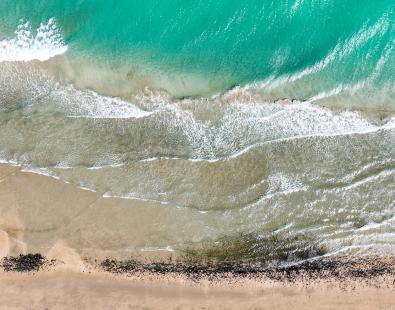
Coastal morphology & sediment dynamics

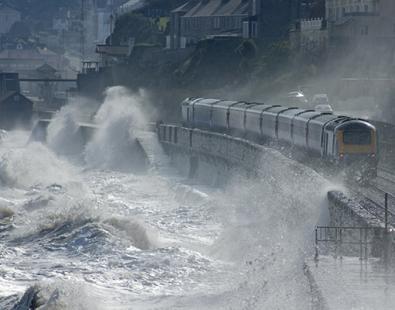
Waves overtopping the sea wall at Dawlish

Coastal hazards & resilience

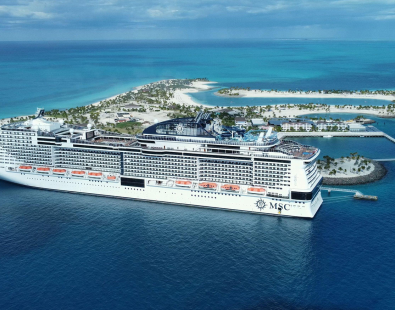
Waterfronts, marinas & coastal resorts

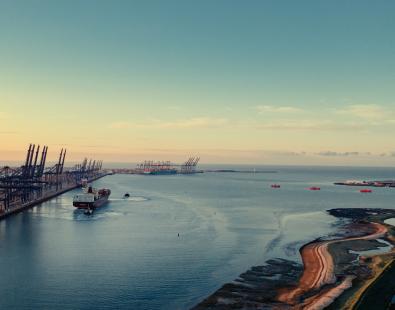
Aerial view of Felixstowe at sunrise, showcase of nature positive dredging

Ports, harbours & shipping

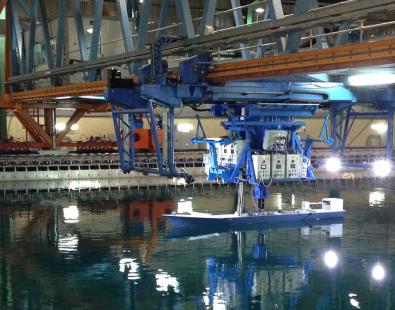
View of a towing carriage above physical models

Towing carriages and multi-motion carriages

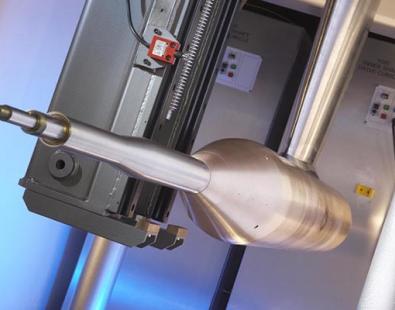
close-up of a force measurement instrument for physical models

Force measuring equipment and dynamometers

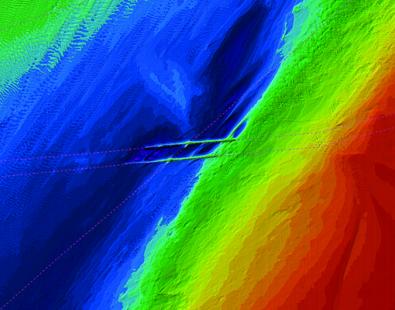
Numerical modelling output for scour at an offshore wind farm cable

Subsea engineering

Numerical modelling output for scour at an offshore wind farm cable

Subsea engineering

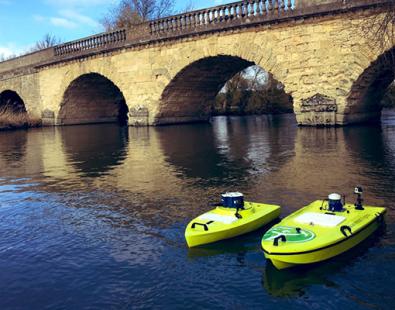
3 ARC-Boat on the river by a bridge

ARCboat survey vessels

View of our multi-element wavemaker in our physical models

Wavemaker design and manufacture

View of our multi-element wavemaker in our physical models

Wavemaker design and manufacture

We are global leaders and independent experts in how to live and work sustainably with water

Social media

  • BlueSky
  • LinkedIn
  • YouTube

Expertise

  • Coastal & marine
  • Energy transition
  • Water & climate
  • Software solutions
  • Equipment & technology

Company

  • About
  • Careers
  • News
  • Insights
  • Sustainability

Legal

  • Privacy & data protection
  • Policies
  • Modern slavery statement
  • Terms & conditions
  • Sitemap
© 2026 HR Wallingford
Contact