Subsea engineering
Subsea environments are demanding, dynamic and data‑poor. HR Wallingford supports developers, operators and regulators with evidence‑based engineering across the full subsea asset lifecycle. We combine hydrodynamics, geotechnics, sediment dynamics and world‑class physical modelling to optimise foundations, cables, pipelines and protection systems. Our people reduce uncertainty, improve safety and help clients design subsea solutions that perform reliably under complex loads, mobile seabeds and changing climate conditions.
Growing subsea pressures across subsea environments
Subsea infrastructure now faces stronger waves, complex currents, mobile seabeds and more frequent extreme weather. As offshore wind, interconnectors, pipelines and marine cables expand, projects are moving into deeper water, harsher metocean conditions and increasingly crowded seabed corridors. Understanding how waves, tides, structures and seabed behaviour interact is essential to reduce failure risks and avoid costly repairs. HR Wallingford is internationally recognised for delivering innovative subsea solutions grounded in decades of applied research.
Design, installation & integrity challenges
Clients must address interconnected engineering issues, including:
- predicting hydrodynamic loads and cyclic effects on subsea structures
- managing scour around complex foundation geometries
- achieving reliable burial depth and stability for cables
- designing effective protection for cable and pipeline crossings on busy seabeds
- ensuring long‑term integrity despite seabed mobility and storm sequencing
- obtaining fit‑for‑purpose site data and geotechnical insight
Robust engineering relies on integrated understanding of hydrodynamics, sediment transport, soil behaviour and structure–seabed interaction.
How HR Wallingford supports high‑performance subsea projects
Our subsea engineering capability combines hydrodynamic, geotechnical and geomorphological expertise. We assess site conditions, characterise seabed processes and quantify loads on subsea assets. We support clients from early feasibility through design, installation, operation and decommissioning, helping them understand the natural processes that drive performance.
We design stabilisation, foundation and protection systems using rock, rock bags, mattresses, engineered fronds and hybrid solutions that withstand challenging loads while controlling cost. Our ongoing research gives clients early access to emerging design methods.
Modelling for confidence in real world performance
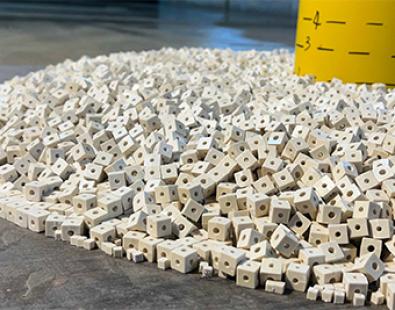
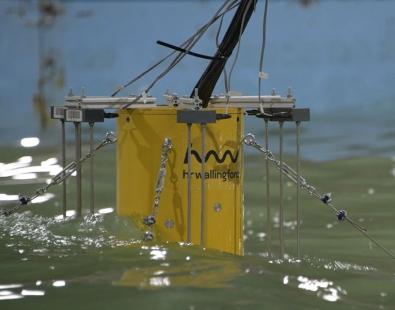
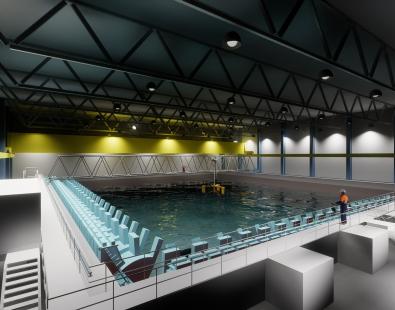
Our large scale physical modelling facilities replicate hydrodynamic loading, scour behaviour, sediment mobility and structural response, testing systems such as rock filled nets, fronds and concrete mattresses under waves, currents and combined conditions.
Our computational fluid dynamics (CFD) modelling simulates flow amplification, pressures and forces on complex structures, informing protection needs and optimising scour protection design.
Supporting safer installation & targeted investment
We help clients plan installation, assess exposure risk, manage trenching and understand seabed change over an asset’s life. Our evidence reduces uncertainty, enhances safety and supports smarter investment from extreme‑event analysis through to decommissioning.
Subsea engineering expertise
Predict waves, currents and combined loads on subsea assets under operational and extreme conditions.
Evaluate erosion, deposition and mobility affecting foundations, cables and pipelines.
Assess scour around complex structures and design optimised protection systems.
Test hydrodynamic loads, scour, protection systems and structural response under controlled conditions.
Simulate complex flow patterns, pressure fields and force amplification around subsea structures to optimise design, assess hydrodynamic loads and support protection system development.
Characterise seabed behaviour and soil conditions to support safe design and installation.
Determine feasible burial depth, exposure risk, trenching strategy and long term stability.
Analyse cyclic loads, settlement, geohazards and long term foundation performance.
Evaluate loads and fatigue risks under reversing flows and complex hydrodynamic regimes.
Identify safe operational windows, seabed risks and asset integrity issues.
Design reef style elements, fronds and eco engineered systems that stabilise sediments and support marine life.
Identify priority locations and cost effective asset protection measures.
Support consenting with evidence on seabed disturbance, sediment pathways and ecological interaction.
Delivering impact worldwide
Project, location Coastal Virginia offshore wind farm, USA
Coastal Virginia Offshore Wind will be the largest offshore wind farm in the US, requiring robust scour protection for 176 supersize monopiles. We delivered the detailed foundation scour protection design. By optimising rock volumes and using advanced physical modelling, we reduced environmental impact, cut instalation costs and helped ensure long term resilience for this 2.6 GW project.
Hollandse Kust Zuid offshore wind farm, North Sea
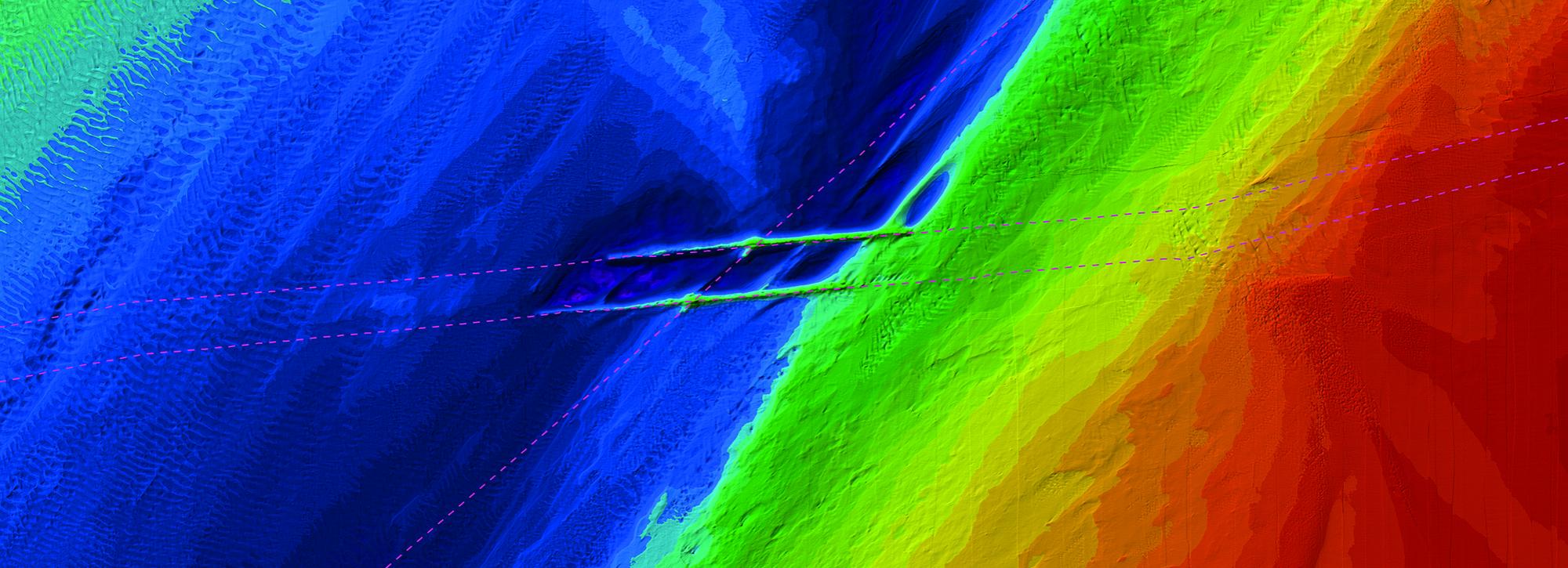
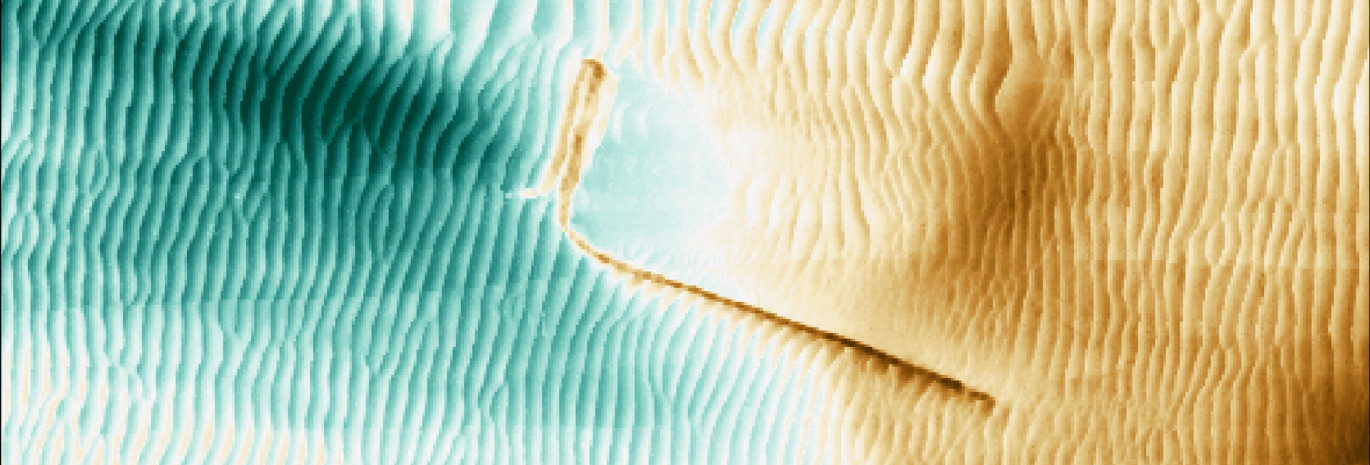
At Hollandse Kust Zuid, more than 30 cable crossings sit among existing and planned seabed infrastructure. Our team combined desk based assessment with CFD modelling to evaluate edge scour, sand wave migration and interactions with neighbouring assets. The optimised design reduced total rock volume while maintaining safe, reliable performance across all crossings.
East Anglia 3 offshore wind farm, North Sea
For the East Anglia 3 offshore wind farm, we designed two layer and single layer scour protection systems for 95 monopile foundations, including a non symmetrical layout. We verified performance through physical modelling in our Fast Flow Facility, giving the client confidence that the solution performs under realistic hydrodynamic and seabed conditions.
Get in touch
Iain Gunn