Secondary nav 2022

  • Equipment
  • Software
  • Training

Main navigation 2022

  • About
    • About HR Wallingford
    • Our leadership
    • Our people
    • Our impact
      • Annual report & financial statements
      • Gender pay
      • Social impact
      • Sustainability
    • Our story
    • News
    • Insight articles
    • Policies
  • Projects
  • Expertise
    • Coastal & marine sustainability
      • Coastal hazards & resilience
      • Coastal morphology & sediment dynamics
      • Dredging and sediment management
      • Marine & coastal environment
      • Ports, harbours and shipping
      • Subsea engineering
      • Waterfronts, marinas and resorts
    • Energy transition
      • Fixed offshore wind
      • Floating offshore wind
      • Liquified gas & transition fuels
      • Nuclear
      • Wave, tidal, solar & hydropower
    • Water & climate resilience
      • Dams & reservoirs
      • Freshwater environment
      • Integrated flood management
      • Surface water systems
      • Water management for climate resilient development
      • Water supply & drought resilience
  • Facilities
    • Explore our facilities
    • Ship simulation
      • Australia Ship Simulation Centre
      • UK Ship Simulation Centre
    • Physical modelling
      • Fast Flow Facility
      • Tsunami simulator
      • Volumetric flow flume
      • Wave basins
      • Wave flumes
      • Erosion rate measurement
      • Water rescue training
  • Careers
    • Careers overview
    • Working at HR Wallingford
    • Job opportunities
  • Contact
  • About
    • About HR Wallingford
    • Our leadership
    • Our people
    • Our impact
      • Annual report & financial statements
      • Gender pay
      • Social impact
      • Sustainability
    • Our story
    • News
    • Insight articles
    • Policies
  • Projects
  • Expertise
    • Coastal & marine sustainability
      • Coastal hazards & resilience
      • Coastal morphology & sediment dynamics
      • Dredging and sediment management
      • Marine & coastal environment
      • Ports, harbours and shipping
      • Subsea engineering
      • Waterfronts, marinas and resorts
    • Energy transition
      • Fixed offshore wind
      • Floating offshore wind
      • Liquified gas & transition fuels
      • Nuclear
      • Wave, tidal, solar & hydropower
    • Water & climate resilience
      • Dams & reservoirs
      • Freshwater environment
      • Integrated flood management
      • Surface water systems
      • Water management for climate resilient development
      • Water supply & drought resilience
  • Facilities
    • Explore our facilities
    • Ship simulation
      • Australia Ship Simulation Centre
      • UK Ship Simulation Centre
    • Physical modelling
      • Fast Flow Facility
      • Tsunami simulator
      • Volumetric flow flume
      • Wave basins
      • Wave flumes
      • Erosion rate measurement
      • Water rescue training
  • Careers
    • Careers overview
    • Working at HR Wallingford
    • Job opportunities
  • Contact
  1. Home >
  2. Expertise >
  3. Coastal & marine sustainability >
  4. Coastal morphology & sediment dynamics

Coastal morphology & sediment dynamics

Share

Understanding coastal change to support resilient, sustainable shoreline management

Coastal morphology and sediment processes determine how shorelines evolve and how resilient they are to erosion, flooding and long‑term change. We provide evidence‑led insight into sediment pathways, beach behaviour and shoreline evolution to support planning, engineering and environmental decision‑making. Our teams design nature‑based interventions, restoration schemes, reclamation works and beneficial reuse strategies for dredged materials that enhance resilience, protect assets and support sustainable coastal development.

Climate pressures and changing sediment dynamics

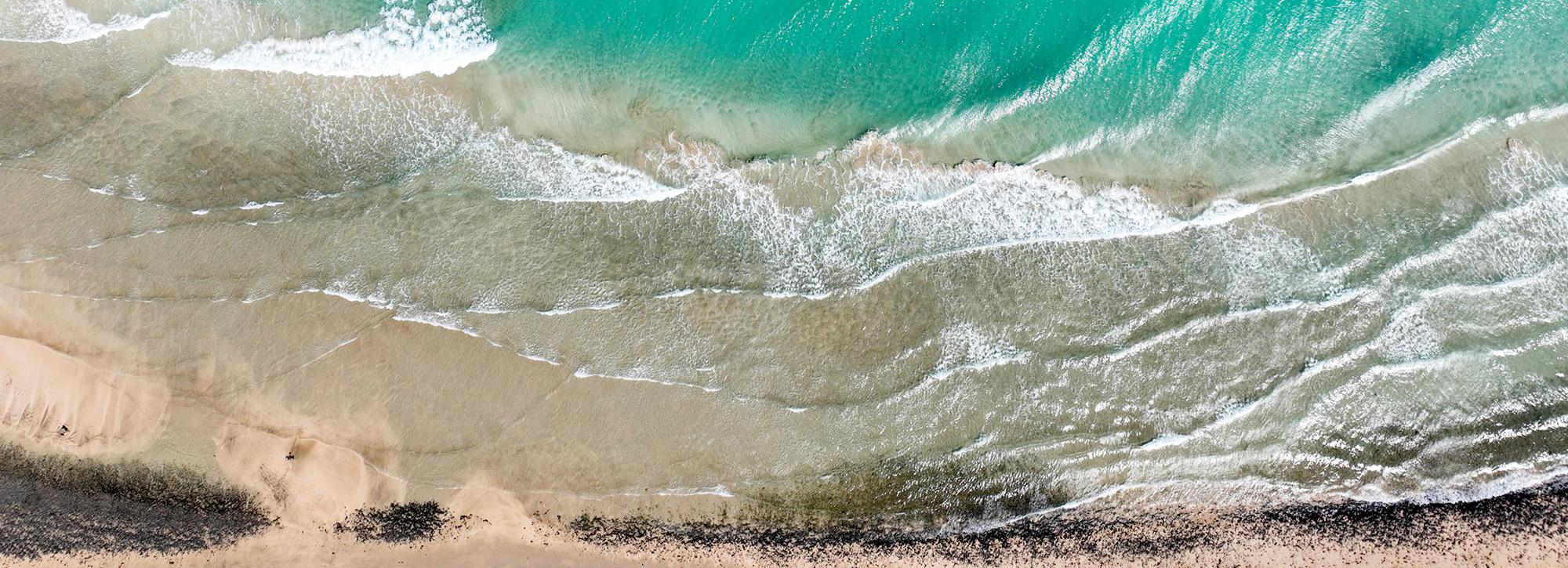
Rising sea levels, stronger storms and shifting wave climates are altering sediment transport along many coastlines. These pressures influence beach levels, dune systems, estuary morphology and long‑term shoreline stability. Reduced sediment supply, coastal squeeze and human interventions often accelerate erosion. Understanding how water, wind and sediment interact across seasons, years and decades is essential for sustainable coastal management.

Challenges in erosion, shoreline change and sediment planning

Clients face complex challenges: managing erosion hotspots, restoring beaches, planning for long‑term change, and maintaining navigation or access. Sediment transport can affect the performance of coastal structures, contribute to siltation of channels, or undermine natural habitats. Reclamation projects and infrastructure development need robust evidence on sediment budgets, geomorphology and potential environmental change. Increasingly, regulators and communities expect solutions that deliver environmental, climate and social value, not just short‑term protection.

How HR Wallingford supports better coastal decision‑making

We combine coastal engineering, geomorphology, sediment science and advanced hydrodynamic modelling to understand how coastlines behave now and how they may evolve under future conditions. Our teams assess sediment pathways, beach response, storm impacts, estuarine processes and long‑term shoreline change. We support nature‑based and hybrid solutions - such as beach nourishment, dune systems, sand engines and wetlands - to enhance resilience, ecological value and sediment stability.

Reclamation and beneficial reuse of dredged materials

HR Wallingford helps clients design, evaluate and monitor reclamation schemes and beneficial reuse strategies that work with natural processes. We assess the suitability of dredged materials for beach nourishment, habitat creation, land reclamation or sediment recycling. These approaches reduce disposal costs, support circular resource use and provide climate‑positive outcomes by restoring beaches, stabilising shorelines and rebuilding natural buffers.

Monitoring, data and adaptive shoreline management

We design monitoring programmes using beach surveys, UAVs, remote sensing, wave buoys and sediment tracers. Our decision‑support tools help clients track change, manage sediment budgets and plan adaptive shoreline management strategies that remain effective as climate pressures evolve.

Coastal morphology & sediment transport expertise

Coastal geomorphology & sediment assessment

Evaluate sediment pathways, beach dynamics and shoreline evolution across varied coastal settings.

Hydrodynamic & wave modelling

Simulate waves, tides and currents to understand sediment transport and coastal response.

Beach change & erosion analysis

Assess storm impacts, long term erosion trends and beach recovery potential.

Sediment budget & pathway modelling

Map sources, sinks and sediment fluxes to support strategic sediment management.

Nature-based & hybrid coastal solutions 

Design dunes, reefs, sand engines, wetlands and stabilisation systems to enhance resilience.

Physical modelling of coastal systems

Test sediment behaviour, scour and coastal structure interactions in controlled laboratory settings.

Shoreline evolution modelling

Predict long term shoreline response under climate, wave and sediment change scenarios.

Coastal reclamation & land forming design 

Provide evidence based design and assessment of land reclamation projects.

Beneficial reuse of dredged materials

Identify and evaluate opportunities for using dredged material in nourishment, habitat creation and restoration.

Coastal monitoring & data systems

Use UAVs, sensors, remote sensing and sediment tracers to monitor shoreline and sediment change.

Defence performance & sediment interaction

Evaluate how breakwaters, groynes and revetments influence sediment distribution and shoreline stability.

Habitat & morphology linkages 

Assesses how sediment dynamics affect coastal habitats and ecological function.

Adaptive shoreline management

Develop long term resilience strategies that adapt to evolving sediment and climate pressures.

Get in touch

Simon Everitt
Coastal Business Development Lead
Contact Profile

Explore more

  • All
  • Project
  • Expertise
  • News
  • Insight
  • Facility

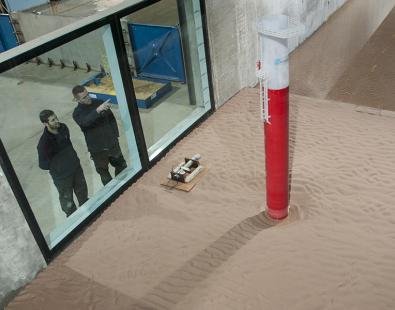
Erosion rate measurement

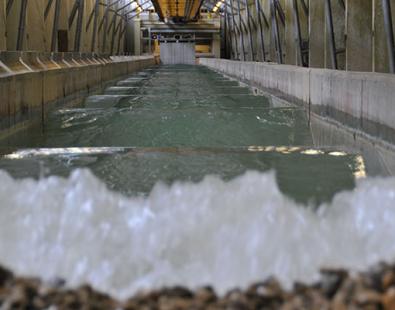
View of a wave generated in our wave flume

Wave flumes

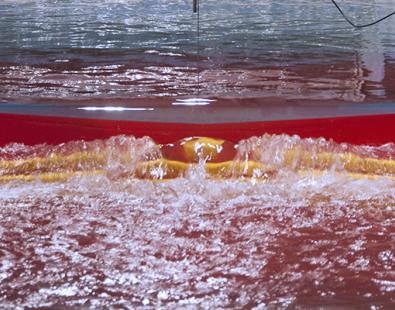
View of fish pass test in volumetric flow flume

Volumetric flow flume

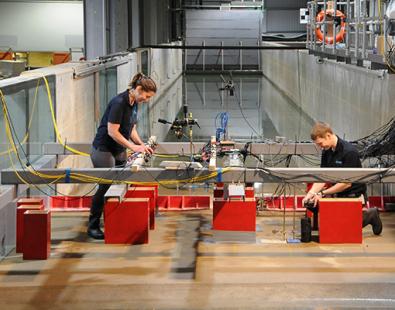
Photo of two people working on the tsunami simulator

Tsunami simulator

Wave basins

View of testing of breakwater on physical models

Physical modelling

We are global leaders and independent experts in how to live and work sustainably with water

Social media

  • BlueSky
  • LinkedIn
  • YouTube

Expertise

  • Coastal & marine
  • Energy transition
  • Water & climate
  • Software solutions
  • Equipment & technology

Company

  • About
  • Careers
  • News
  • Insights
  • Sustainability

Legal

  • Privacy & data protection
  • Policies
  • Modern slavery statement
  • Terms & conditions
  • Sitemap
© 2026 HR Wallingford
Contact