Secondary nav 2022

  • Equipment
  • Software
  • Training

Main navigation 2022

  • About
    • About HR Wallingford
    • Our leadership
    • Our people
    • Our impact
      • Annual report & financial statements
      • Gender pay
      • Social impact
      • Sustainability
    • Our story
    • News
    • Insight articles
    • Policies
  • Projects
  • Expertise
    • Coastal & marine sustainability
      • Coastal hazards & resilience
      • Coastal morphology & sediment dynamics
      • Dredging and sediment management
      • Marine & coastal environment
      • Ports, harbours and shipping
      • Subsea engineering
      • Waterfronts, marinas and resorts
    • Energy transition
      • Fixed offshore wind
      • Floating offshore wind
      • Liquified gas & transition fuels
      • Nuclear
      • Wave, tidal, solar & hydropower
    • Water & climate resilience
      • Dams & reservoirs
      • Freshwater environment
      • Integrated flood management
      • Surface water systems
      • Water management for climate resilient development
      • Water supply & drought resilience
  • Facilities
    • Explore our facilities
    • Ship simulation
      • Australia Ship Simulation Centre
      • UK Ship Simulation Centre
    • Physical modelling
      • Fast Flow Facility
      • Tsunami simulator
      • Volumetric flow flume
      • Wave basins
      • Wave flumes
      • Erosion rate measurement
      • Water rescue training
  • Careers
    • Careers overview
    • Working at HR Wallingford
    • Job opportunities
  • Contact
  1. Home >
  2. Projects >
  3. Enabling safe expansion of Immingham Eastern Ro Ro Terminal
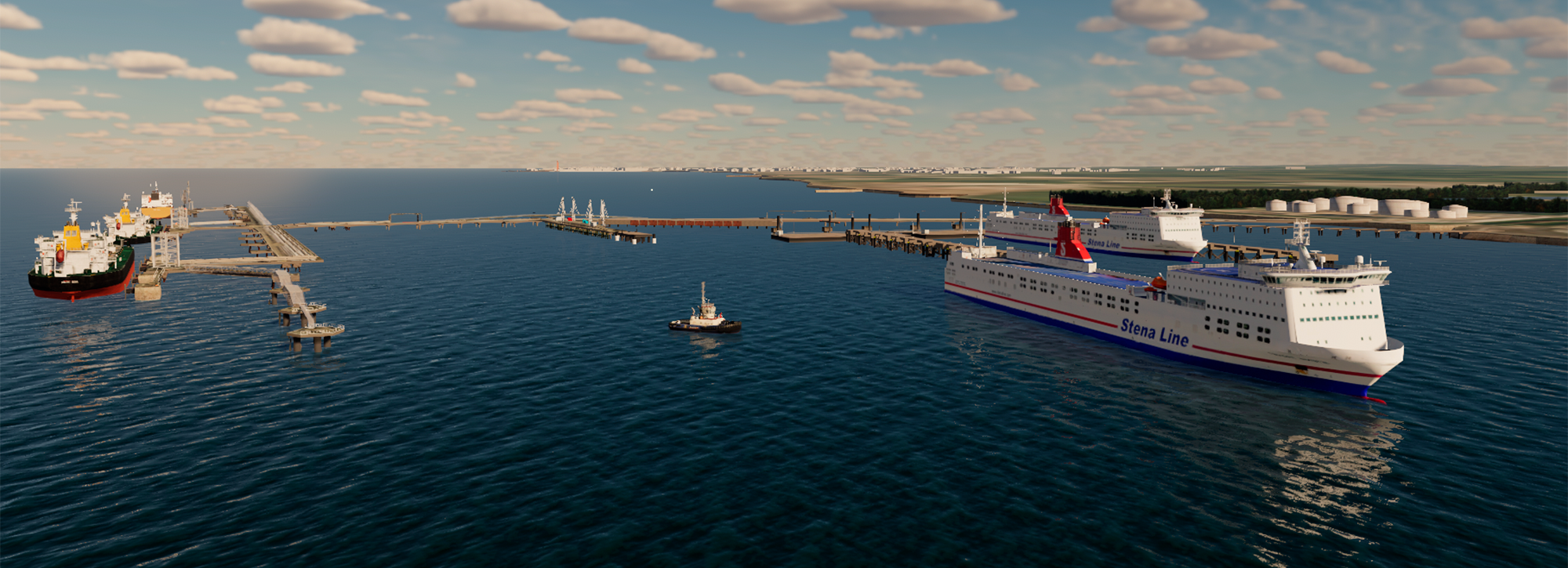
Enabling safe expansion of Immingham Eastern Ro Ro Terminal

Share

HR Wallingford supported Associated British Ports with navigation advice, modelling and simulation for the Immingham Eastern Ro Ro Terminal. Our independent evidence helped secure development consent for a major freight facility supporting UK–Europe trade.

SDG9 - Industry
Location
Immingham, UK

Supporting port expansion to meet growing North Sea freight demand

The Port of Immingham is a key gateway for roll on roll off (Ro Ro) freight, connecting UK supply chains with continental Europe. Growing demand required new infrastructure capable of handling larger vessels and increasing operational efficiency.

The Immingham Eastern Ro Ro Terminal includes a new jetty and three berths within the existing port estate, backed by significant investment from Associated British Ports and Stena Line.

To secure development consent, it was essential to demonstrate that vessels could operate safely within the Humber estuary. This included ensuring compatibility with existing shipping traffic, infrastructure and port operations, particularly given the scale of the proposed development.

Integrated modelling and navigation advice to support design and consent

We provided multidisciplinary expertise to ensure navigation was fully integrated into the design and consenting process.

Our work combined numerical modelling, simulation and expert judgement. We modelled tidal flows and vessel manoeuvring to understand behaviour within the proposed layout and provided advice on how flows should be measured and represented to support robust analysis.

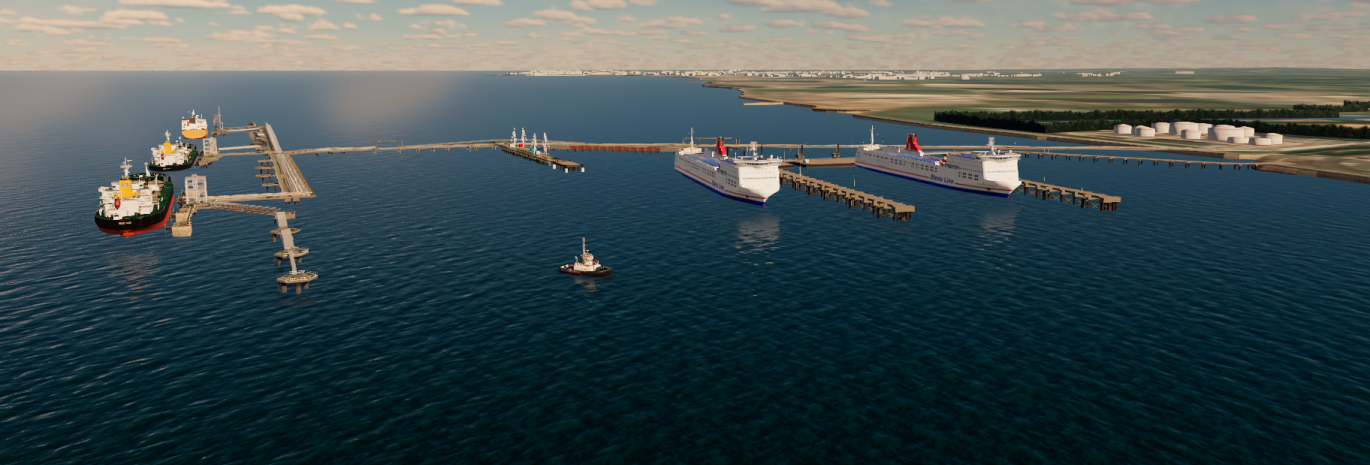
We assessed the feasibility of vessel operations at the new berths, considering manoeuvring requirements and environmental conditions. Navigation simulations were used to test realistic scenarios, with results interpreted to inform both design refinement and navigation risk assessments.

Alongside technical work, we provided clear, independent navigation advice and supported engagement with the Planning Inspectorate, including representation at hearings. This ensured complex evidence was accessible and credible for decision making.
Securing consent and supporting future port growth

Our independent advice helped underpin Associated British Ports’ Development Consent Order application. Approval was granted by the UK Secretary of State for Transport in October 2024 and upheld following judicial review in July 2025.This enables delivery of a major new freight facility that will increase capacity and improve efficiency.

Economically, the development supports trade growth, investment and jobs. Operationally, it enables safe and efficient vessel movements within a busy estuarine environment. Socially, it strengthens supply chains that businesses and communities rely on.

Contact our project lead

Ian Cruickshank

Director of Maritime & Ships
Contact Profile

Explore more

  • All
  • Project
  • Expertise
  • News
  • Insight
  • Facility
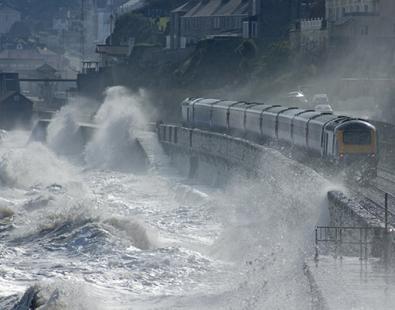
Waves overtopping the sea wall at Dawlish

Coastal hazards & resilience

Dredging & sediment management

Waterfronts, marinas & coastal resorts

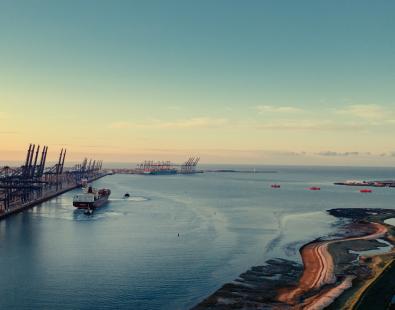
Aerial view of Felixstowe at sunrise, showcase of nature positive dredging

Ports, harbours & shipping

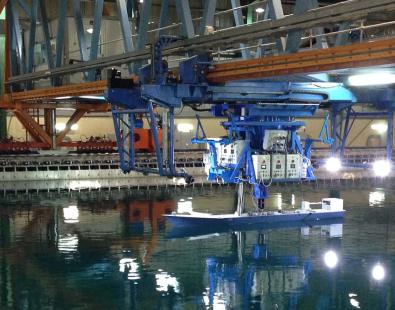
View of a towing carriage above physical models

Towing carriages and multi-motion carriages

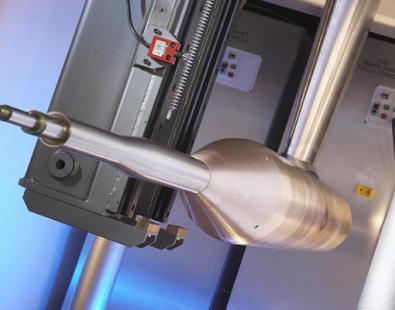
close-up of a force measurement instrument for physical models

Force measuring equipment and dynamometers

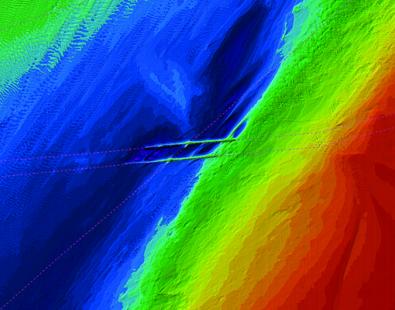
Numerical modelling output for scour at an offshore wind farm cable

Subsea engineering

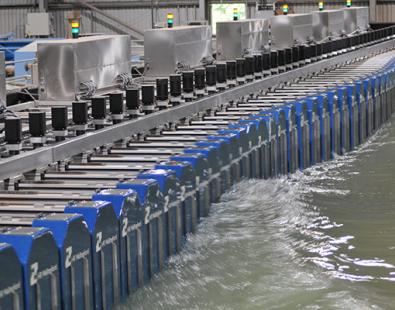
View of our multi-element wavemaker in our physical models

Wavemaker design and manufacture

We are global leaders and independent experts in how to live and work sustainably with water

Social media

  • BlueSky
  • LinkedIn
  • YouTube

Expertise

  • Coastal & marine
  • Energy transition
  • Water & climate
  • Software solutions
  • Equipment & technology

Company

  • About
  • Careers
  • News
  • Insights
  • Sustainability

Legal

  • Privacy & data protection
  • Policies
  • Terms & conditions
  • Sitemap
© 2026 HR Wallingford
Contact