Secondary nav 2022

  • Equipment
  • Software
  • Training

Main navigation 2022

  • About
    • About HR Wallingford
    • Our leadership
    • Our people
    • Our impact
      • Annual report & financial statements
      • Gender pay
      • Social impact
      • Sustainability
    • Our story
    • News
    • Insight articles
    • Policies
  • Projects
  • Expertise
    • Coastal & marine sustainability
      • Coastal hazards & resilience
      • Coastal morphology & sediment dynamics
      • Dredging and sediment management
      • Marine & coastal environment
      • Ports, harbours and shipping
      • Subsea engineering
      • Waterfronts, marinas and resorts
    • Energy transition
      • Fixed offshore wind
      • Floating offshore wind
      • Liquified gas & transition fuels
      • Nuclear
      • Wave, tidal, solar & hydropower
    • Water & climate resilience
      • Dams & reservoirs
      • Freshwater environment
      • Integrated flood management
      • Surface water systems
      • Water management for climate resilient development
      • Water supply & drought resilience
  • Facilities
    • Explore our facilities
    • Ship simulation
      • Australia Ship Simulation Centre
      • UK Ship Simulation Centre
    • Physical modelling
      • Fast Flow Facility
      • Tsunami simulator
      • Volumetric flow flume
      • Wave basins
      • Wave flumes
      • Erosion rate measurement
      • Water rescue training
  • Careers
    • Careers overview
    • Working at HR Wallingford
    • Job opportunities
  • Contact
  1. Home >
  2. Projects >
  3. Planning resilient infrastructure for Westport’s container port at Kwinana
Planning resilient infrastructure for Westport’s container port at Kwinana

Share

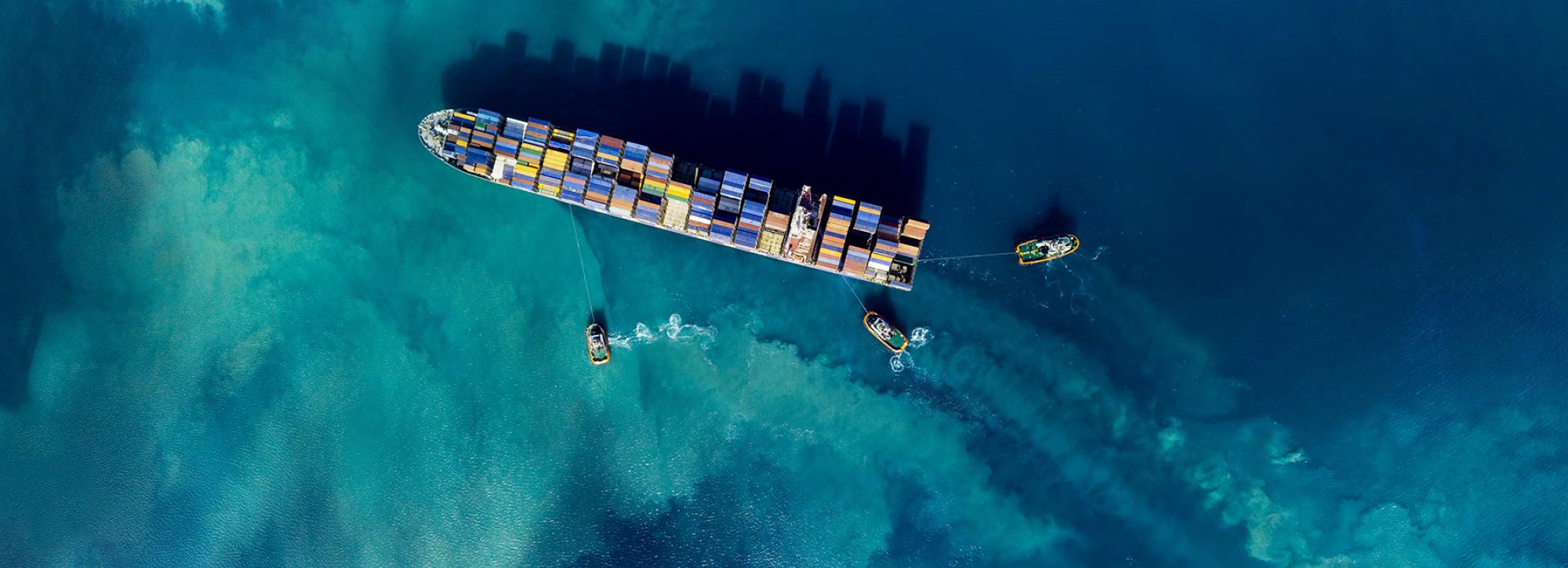
HR Wallingford supported the Westport programme by providing marine modelling, ship navigation and design expertise for the future container port at Kwinana, Western Australia. Our work helped shape a safe, efficient and sustainable port concept to support Western Australia’s trade, communities and coastal environment for decades to come.

SDG9 - Industry
Partners
WSP
Location
Kwinana, Western Australia

Supporting long‑term container trade and sustainable growth in Western Australia

Western Australia’s population and international trade are forecast to continue growing, increasing pressure on the state’s only existing container port at Fremantle. An efficient container supply chain is critical to the state’s economy, connecting global trade with local industries and communities.

Westport is the Western Australian State Government’s long‑term planning programme to address these constraints by relocating container trade from Fremantle to a new port at Kwinana. The programme is considering not only port infrastructure, but also the connected road and rail freight system and logistics operations needed to support trade for the next 100 years.

Once Kwinana was identified as the preferred location, detailed investigations were required to understand the coastal environment, test design options and identify a preferred port concept to support the Westport Business Case that balanced operational efficiency, safety, sustainability and environmental protection, particularly for the sensitive Cockburn Sound marine environment.

Integrated marine modelling and navigation design to inform confident decisions

We supported the lead consultant, WSP, by providing specialist marine services to inform the emerging port design.

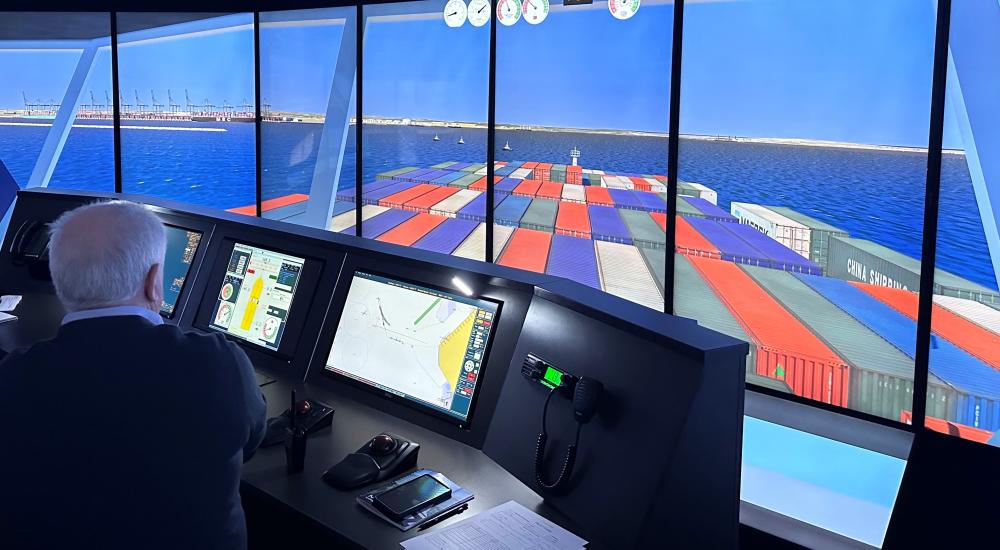
Our role focused on providing evidence‑based insight to support key design decisions. We used numerical wave modelling to understand wave conditions within and around the proposed port, and how different breakwater layouts would influence operability and environmental effects. To support safe and efficient vessel operations, we carried out both fast‑time and real‑time ship navigation simulations, allowing the project team to assess manoeuvring requirements, navigation channel geometry and operational limits for container vessels.

We also undertook dynamic mooring analysis to assess vessel behaviour at berth and port throughput capacity modelling to understand how the port could perform under future trade scenarios. This integrated approach ensured that marine, navigation and operational considerations were tested together, rather than in isolation.

By combining modelling, simulation and professional judgement, we helped refine and evaluate design options, enabling the selection of a preferred concept design to support the Westport Business Case that reflected best practice in technology, safety, sustainability and long‑term resilience.
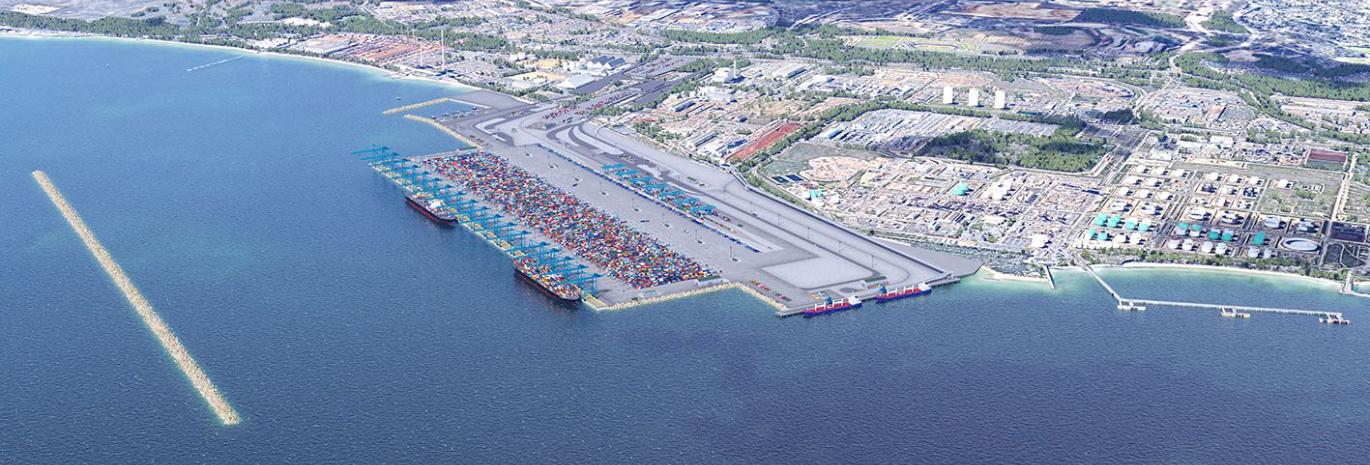
Preferred design from 2023 to support the Westport Business Case (credit: Westport)

Benefits for trade, environment and communities around Cockburn Sound

The concept design for the new container port at Kwinana supported efficient, future‑focused trade while minimising effects on the marine environment.

Environmentally, the design proposed to support the Westport Business Case had the lowest dredging requirements of the options considered and is being developed to limit impacts on Cockburn Sound. More than $13.5 million has been committed to new research into the Cockburn Sound ecosystem, alongside measures such as seagrass restoration and planning for a net‑zero future.

Economically, the port will support continued growth in Western Australia’s trade, create jobs during construction, and strengthen Kwinana’s position as a world‑class industrial hub.

Socially, the programme aims to maintain recreational access to Cockburn Sound, explore new community amenities such as artificial reefs, and improve road and rail infrastructure to support safer, more efficient freight movements.

Together, these benefits will support the development of infrastructure that enables economic prosperity while protecting coastal environments and communities.
Contact our project lead

Ben Spalding
Manager, Australia Ship Simulation Centre
Contact Profile

Explore more

  • All
  • Project
  • Expertise
  • News
  • Insight
  • Facility

Marine & coastal environment

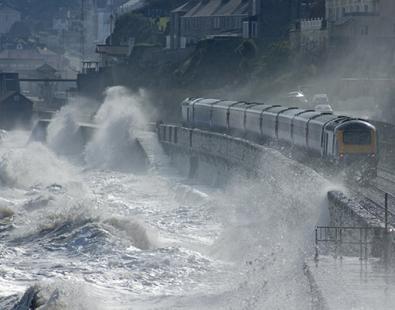
Waves overtopping the sea wall at Dawlish

Coastal hazards & resilience

Dredging & sediment management

Waterfronts, marinas & coastal resorts

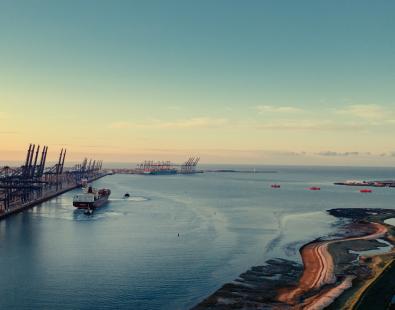
Aerial view of Felixstowe at sunrise, showcase of nature positive dredging

Ports, harbours & shipping

View of wide freshwater river with green river banks

Freshwater environment

View of a towing carriage above physical models

Towing carriages and multi-motion carriages

close-up of a force measurement instrument for physical models

Force measuring equipment and dynamometers

Numerical modelling output for scour at an offshore wind farm cable

Subsea engineering

View of our multi-element wavemaker in our physical models

Wavemaker design and manufacture

We are global leaders and independent experts in how to live and work sustainably with water

Social media

  • BlueSky
  • LinkedIn
  • YouTube

Expertise

  • Coastal & marine
  • Energy transition
  • Water & climate
  • Software solutions
  • Equipment & technology

Company

  • About
  • Careers
  • News
  • Insights
  • Sustainability

Legal

  • Privacy & data protection
  • Policies
  • Terms & conditions
  • Sitemap
© 2026 HR Wallingford
Contact