Secondary nav 2022

  • Equipment
  • Software
  • Training

Main navigation 2022

  • About
    • About HR Wallingford
    • Our leadership
    • Our people
    • Our impact
      • Annual report & financial statements
      • Gender pay
      • Social impact
      • Sustainability
    • Our story
    • News
    • Insight articles
    • Policies
  • Projects
  • Expertise
    • Coastal & marine sustainability
      • Coastal hazards & resilience
      • Coastal morphology & sediment dynamics
      • Dredging and sediment management
      • Marine & coastal environment
      • Ports, harbours and shipping
      • Subsea engineering
      • Waterfronts, marinas and resorts
    • Energy transition
      • Fixed offshore wind
      • Floating offshore wind
      • Liquified gas & transition fuels
      • Nuclear
      • Wave, tidal, solar & hydropower
    • Water & climate resilience
      • Dams & reservoirs
      • Freshwater environment
      • Integrated flood management
      • Surface water systems
      • Water management for climate resilient development
      • Water supply & drought resilience
  • Facilities
    • Explore our facilities
    • Ship simulation
      • Australia Ship Simulation Centre
      • UK Ship Simulation Centre
    • Physical modelling
      • Fast Flow Facility
      • Tsunami simulator
      • Volumetric flow flume
      • Wave basins
      • Wave flumes
      • Erosion rate measurement
      • Water rescue training
  • Careers
    • Careers overview
    • Working at HR Wallingford
    • Job opportunities
  • Contact
  • About
    • About HR Wallingford
    • Our leadership
    • Our people
    • Our impact
      • Annual report & financial statements
      • Gender pay
      • Social impact
      • Sustainability
    • Our story
    • News
    • Insight articles
    • Policies
  • Projects
  • Expertise
    • Coastal & marine sustainability
      • Coastal hazards & resilience
      • Coastal morphology & sediment dynamics
      • Dredging and sediment management
      • Marine & coastal environment
      • Ports, harbours and shipping
      • Subsea engineering
      • Waterfronts, marinas and resorts
    • Energy transition
      • Fixed offshore wind
      • Floating offshore wind
      • Liquified gas & transition fuels
      • Nuclear
      • Wave, tidal, solar & hydropower
    • Water & climate resilience
      • Dams & reservoirs
      • Freshwater environment
      • Integrated flood management
      • Surface water systems
      • Water management for climate resilient development
      • Water supply & drought resilience
  • Facilities
    • Explore our facilities
    • Ship simulation
      • Australia Ship Simulation Centre
      • UK Ship Simulation Centre
    • Physical modelling
      • Fast Flow Facility
      • Tsunami simulator
      • Volumetric flow flume
      • Wave basins
      • Wave flumes
      • Erosion rate measurement
      • Water rescue training
  • Careers
    • Careers overview
    • Working at HR Wallingford
    • Job opportunities
  • Contact
  1. Home >
  2. Projects >
  3. Underwater sound modelling of an offshore 3D seismic survey
Underwater sound modelling of an offshore 3D seismic survey

Share
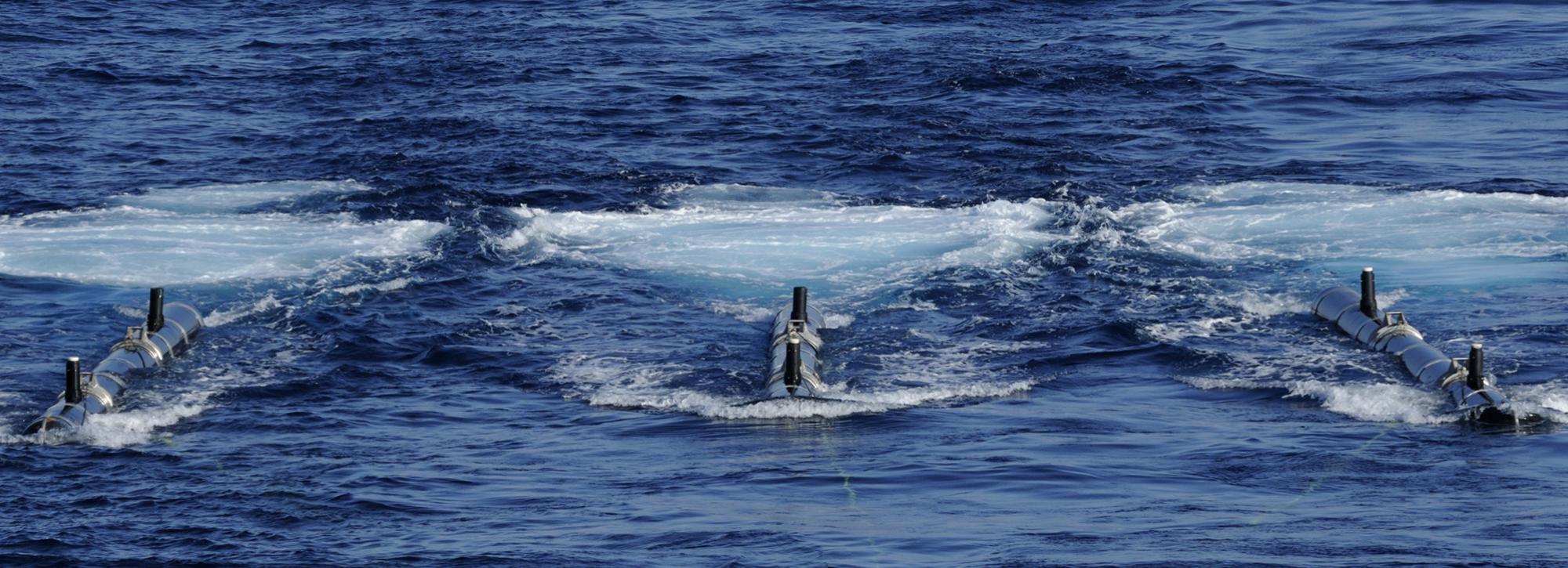
View of seismic air guns firing underwater

Our specialist underwater sound modelling of the towed acoustic source on a 3D seismic survey made an important contribution to the overall EIA for a seismic exploration project in the Adriatic Sea.

The ocean is filled with natural sound, but over the last century, human activity has significantly increased sound levels. Sound propagation in the marine environment is complex, yet robust and defensible modelling is rarely conducted. A greater understanding of the impact of sound on the marine environment is driving regulators to demand more detail during the planning of developments and activities. The potential impact and importance of underwater sound on marine life is increasingly assessed as part of the Environmental Impact (and Social) Assessment process.

Project area off the coast of Montenegro

Our client was planning a 3D seismic exploration survey over four blocks offshore Montenegro. The survey area was in waters between 70 and 600 m deep, located between 10 and 60 kilometres from the coastline. There was a concern that the marine mammals, turtle and fish species within (and around) the survey area would be adversely affected by the survey activities. Montenegrin guidelines require that specialist modelling is undertaken as part of an EIA to accurately predict the potential area of impact associated with seismic surveys. 

Evidence-based outcomes

The modelling results provide a clear understanding of the potential acoustic impacts arising from the operation of the seismic array on marine species in the area. The combined modelling techniques of underwater sound propagation and individual based modelling produced accurate ‘sound maps’ of predicted acoustic levels which were used to inform the overall EIA.

We prepared:

  • A detailed report on the modelling and predicted impact radii for the proposed survey
  • Calculations of cumulative Sound Exposure Levels (SELcum)
  • Calculations of peak sound pressure levels (SPLpeak)
  • Graphics and GIS illustrations of potential areas of effect


Our work ensured that regulators have the best available evidence to inform their decisions.

Independent specialist underwater sound propagation modelling

We conducted detailed numerical modelling of sound propagation at two locations within the survey area. At each location, the full sound spectrum from the seismic array (5085 cubic inches) was simulated to provide potential impact radii.

We used our validated underwater sound propagation model, UnaCorda, to predict the acoustic propagation characteristics of the towed seismic array. Information and data from specialist industry software, scientific literature, industry publications, global ocean models, national guidelines and site specific geophysical / geotechnical data were used to provide data to the model in order to provide a realistic and site specific assessment.

The UnaCorda model incorporated different movement variables for receptor species to accurately predict the sounds levels reaching target species, depending on whether the individuals were either stationary (worst case scenario under the precautionary principle) or fleeing (expected response for marine mammals).

We interpreted the results of the combined modelling using established scientific acoustic thresholds to determine the impact radii for lethal and non-lethal effects on marine mammal, turtle and fish species.

Get in touch

Tom Benson
Technical Director
Contact Profile
Headshot of Scientist Tom Benson

Explore more

  • All
  • Project
  • Expertise
  • News
  • Insight
  • Facility

Erosion rate measurement

View of a wave generated in our wave flume

Wave flumes

View of fish pass test in volumetric flow flume

Volumetric flow flume

Photo of two people working on the tsunami simulator

Tsunami simulator

Wave basins

View of testing of breakwater on physical models

Physical modelling

We are global leaders and independent experts in how to live and work sustainably with water

Social media

  • BlueSky
  • LinkedIn
  • YouTube

Expertise

  • Coastal & marine
  • Energy transition
  • Water & climate
  • Software solutions
  • Equipment & technology

Company

  • About
  • Careers
  • News
  • Insights
  • Sustainability

Legal

  • Privacy & data protection
  • Policies
  • Modern slavery statement
  • Terms & conditions
  • Sitemap
© 2026 HR Wallingford
Contact