
Secondary nav 2022

  • Equipment
  • Software
  • Training

Main navigation 2022

  • About
    • About HR Wallingford
    • Our leadership
    • Our people
    • Our impact
      • Annual report & financial statements
      • Gender pay
      • Social impact
      • Sustainability
    • Our story
    • News
    • Insight articles
    • Policies
  • Projects
  • Expertise
    • Coastal & marine sustainability
      • Coastal hazards & resilience
      • Coastal morphology & sediment dynamics
      • Dredging and sediment management
      • Marine & coastal environment
      • Ports, harbours and shipping
      • Subsea engineering
      • Waterfronts, marinas and resorts
    • Energy transition
      • Fixed offshore wind
      • Floating offshore wind
      • Liquified gas & transition fuels
      • Nuclear
      • Wave, tidal, solar & hydropower
    • Water & climate resilience
      • Dams & reservoirs
      • Freshwater environment
      • Integrated flood management
      • Surface water systems
      • Water management for climate resilient development
      • Water supply & drought resilience
  • Facilities
    • Explore our facilities
    • Ship simulation
      • Australia Ship Simulation Centre
      • UK Ship Simulation Centre
    • Physical modelling
      • Fast Flow Facility
      • Tsunami simulator
      • Volumetric flow flume
      • Wave basins
      • Wave flumes
      • Erosion rate measurement
      • Water rescue training
  • Careers
    • Careers overview
    • Working at HR Wallingford
    • Job opportunities
  • Contact
  • About
    • About HR Wallingford
    • Our leadership
    • Our people
    • Our impact
      • Annual report & financial statements
      • Gender pay
      • Social impact
      • Sustainability
    • Our story
    • News
    • Insight articles
    • Policies
  • Projects
  • Expertise
    • Coastal & marine sustainability
      • Coastal hazards & resilience
      • Coastal morphology & sediment dynamics
      • Dredging and sediment management
      • Marine & coastal environment
      • Ports, harbours and shipping
      • Subsea engineering
      • Waterfronts, marinas and resorts
    • Energy transition
      • Fixed offshore wind
      • Floating offshore wind
      • Liquified gas & transition fuels
      • Nuclear
      • Wave, tidal, solar & hydropower
    • Water & climate resilience
      • Dams & reservoirs
      • Freshwater environment
      • Integrated flood management
      • Surface water systems
      • Water management for climate resilient development
      • Water supply & drought resilience
  • Facilities
    • Explore our facilities
    • Ship simulation
      • Australia Ship Simulation Centre
      • UK Ship Simulation Centre
    • Physical modelling
      • Fast Flow Facility
      • Tsunami simulator
      • Volumetric flow flume
      • Wave basins
      • Wave flumes
      • Erosion rate measurement
      • Water rescue training
  • Careers
    • Careers overview
    • Working at HR Wallingford
    • Job opportunities
  • Contact
  1. Home >
  2. About HR Wallingford >
  3. Our Impact >
  4. Sustainability >
  5. Our decarbonisation plan
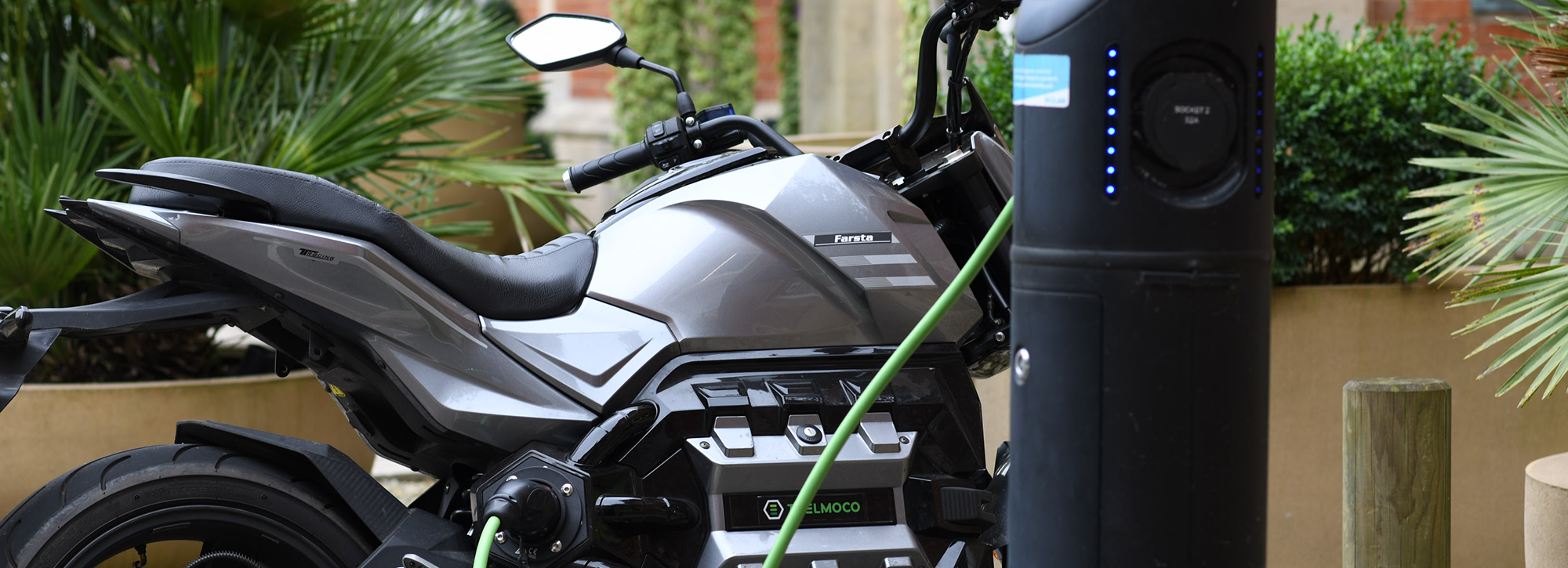
Our decarbonisation plan

Share

We are committed to reducing our carbon footprint, and our ambition is to achieve net‑zero operations and a net‑zero Howbery Park by 2050. Our decarbonisation plan sets out how we will reach this goal, with interim emissions‑reduction targets grounded in climate science and aligned with SBTi principles. By focusing on our biggest emission sources - energy use, supply chain, business travel and commuting - we are taking practical, evidence‑based steps that support long‑term sustainability for our organisation, our partners and the communities around us.

Our commitments

42
%

emissions reduction by 2030

90
%

emissions reduction by 2050; remaining 10% offset through verified carbon removals
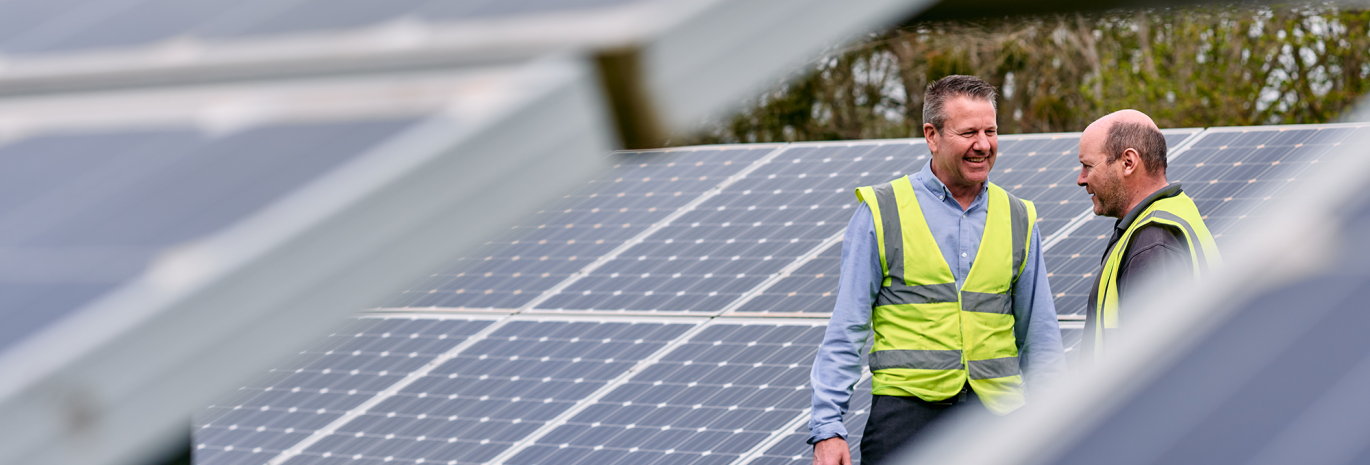
Our ambition is to achieve net-zero operations and a net-zero Howbery Park by 2050

To get there, we’ve committed to:

  • 42% emissions reduction by 2030
  • 90% reduction by 2050, with the remaining 10% offset through verified carbon removals

These targets are based on a 2023 baseline for Scopes 1 and 2, and a 2024 baseline for scope 3 emissions. They align with SBTi target-setting and climate science, aiming to help limit global warming to below 2°C (and ideally 1.5°C) above pre-industrial levels.

We have identified four hotspots that in combination are responsible for 90% of our total emission footprint:

  • Scope 1 & 2 (covering natural gas, refrigerant gases and electricity)
  • Scope 3: Supply chain
  • Scope 3: Business travel
  • Scope 3: Employee commuting

The plan identifies the near-term and longer-term actions needed to achieve our ambitions.

Focus areas up to FY30

Scopes 1 & 2

  • EPC upgrades to our properties at Howbery Park
  • Additional solar power generation
  • Site management
  • Behaviour change
  • IT efficiency programme

Scope 3: Supply chain

  • Supplier engagement
  • Procurement

Scope 3: Business travel

  • Travel guidance
  • Carbon pricing

Scope 3: Commuting

  • Public transport
  • Cycling to work
  • Car sharing
  • Electric vehicles

Reporting progress

Progress with delivering our decarbonisation plan is reported each year in our annual sustainability report.

Get in touch

Helen Udale-Clarke

Sustainability Manager

Contact Profile

Explore more

We are global leaders and independent experts in how to live and work sustainably with water

Social media

  • BlueSky
  • LinkedIn
  • YouTube

Expertise

  • Coastal & marine
  • Energy transition
  • Water & climate
  • Software solutions
  • Equipment & technology

Company

  • About
  • Careers
  • News
  • Insights
  • Sustainability

Legal

  • Privacy & data protection
  • Policies
  • Modern slavery statement
  • Terms & conditions
  • Sitemap
© 2026 HR Wallingford
Contact