Secondary nav 2022

  • Equipment
  • Software
  • Training

Main navigation 2022

  • About
    • About HR Wallingford
    • Our leadership
    • Our people
    • Our impact
      • Annual report & financial statements
      • Gender pay
      • Social impact
      • Sustainability
    • Our story
    • News
    • Insight articles
    • Policies
  • Projects
  • Expertise
    • Coastal & marine sustainability
      • Coastal hazards & resilience
      • Coastal morphology & sediment dynamics
      • Dredging and sediment management
      • Marine & coastal environment
      • Ports, harbours and shipping
      • Subsea engineering
      • Waterfronts, marinas and resorts
    • Energy transition
      • Fixed offshore wind
      • Floating offshore wind
      • Liquified gas & transition fuels
      • Nuclear
      • Wave, tidal, solar & hydropower
    • Water & climate resilience
      • Dams & reservoirs
      • Freshwater environment
      • Integrated flood management
      • Surface water systems
      • Water management for climate resilient development
      • Water supply & drought resilience
  • Facilities
    • Explore our facilities
    • Ship simulation
      • Australia Ship Simulation Centre
      • UK Ship Simulation Centre
    • Physical modelling
      • Fast Flow Facility
      • Tsunami simulator
      • Volumetric flow flume
      • Wave basins
      • Wave flumes
      • Erosion rate measurement
      • Water rescue training
  • Careers
    • Careers overview
    • Working at HR Wallingford
    • Job opportunities
  • Contact
  • About
    • About HR Wallingford
    • Our leadership
    • Our people
    • Our impact
      • Annual report & financial statements
      • Gender pay
      • Social impact
      • Sustainability
    • Our story
    • News
    • Insight articles
    • Policies
  • Projects
  • Expertise
    • Coastal & marine sustainability
      • Coastal hazards & resilience
      • Coastal morphology & sediment dynamics
      • Dredging and sediment management
      • Marine & coastal environment
      • Ports, harbours and shipping
      • Subsea engineering
      • Waterfronts, marinas and resorts
    • Energy transition
      • Fixed offshore wind
      • Floating offshore wind
      • Liquified gas & transition fuels
      • Nuclear
      • Wave, tidal, solar & hydropower
    • Water & climate resilience
      • Dams & reservoirs
      • Freshwater environment
      • Integrated flood management
      • Surface water systems
      • Water management for climate resilient development
      • Water supply & drought resilience
  • Facilities
    • Explore our facilities
    • Ship simulation
      • Australia Ship Simulation Centre
      • UK Ship Simulation Centre
    • Physical modelling
      • Fast Flow Facility
      • Tsunami simulator
      • Volumetric flow flume
      • Wave basins
      • Wave flumes
      • Erosion rate measurement
      • Water rescue training
  • Careers
    • Careers overview
    • Working at HR Wallingford
    • Job opportunities
  • Contact
  1. Home >
  2. Can ports keep goods moving as our climate changes?
Can ports keep goods moving as our climate changes?

Share
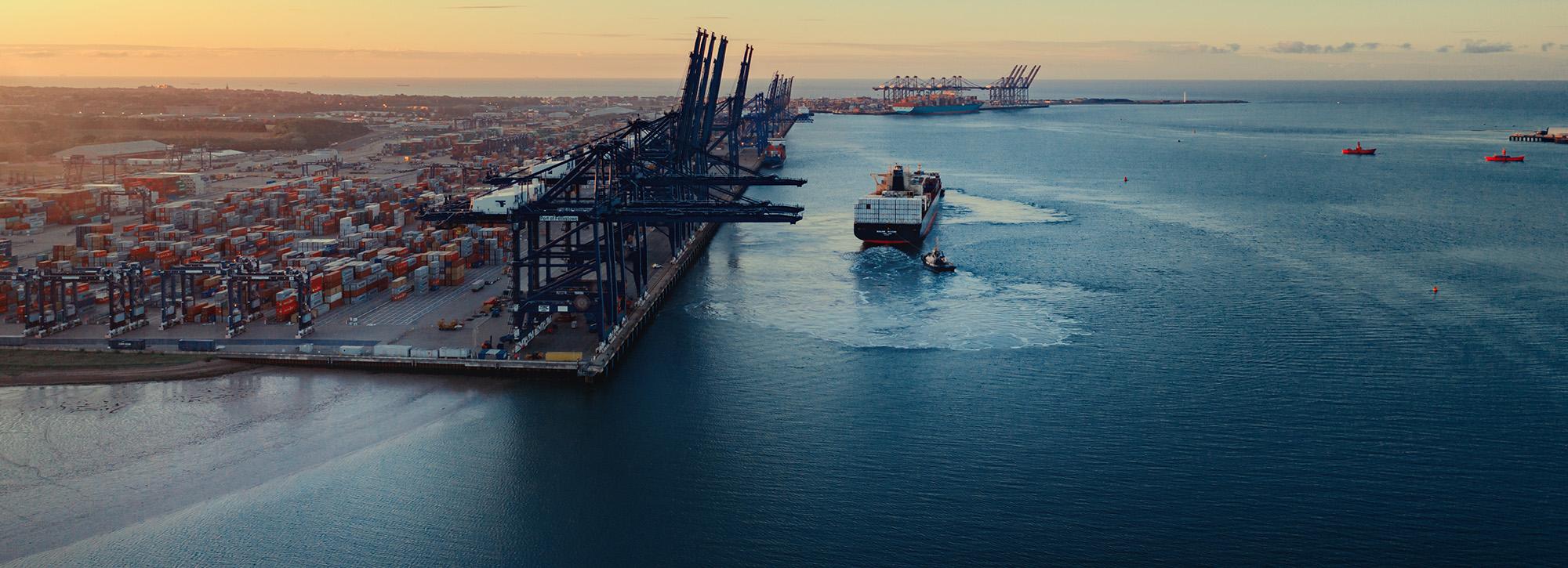
View of  Felixstowe Container port in operation

Climate change could disrupt the operation of ports and harbours, a vital part of the global supply chain, unless they are well prepared.

In our film, podcast and feature articles, our experts discuss how ports need to allow for the predicted impacts of climate change – rising sea levels, higher waves and increased storminess – when designing new infrastructure or adapting existing sea walls, quays or breakwaters. They also outline the role ports can play in cutting carbon emissions and working with the natural environment.

headshot of ports engineer

Want to hear more?

Climate change could disrupt the operation of ports and harbours, a vital part of the global supply chain, unless they are well prepared.

In our podcast, Maria di Leo, Mark Lee and Tom Matthewson discuss the implications of climate change impacts for ports and how they need to plan now so that their infrastructure can withstand more extreme weather.

Our experts also outline the role ports can play in cutting carbon emissions, for instance by supporting ships moving to low carbon fuels, or changing dredging practices and techniques. Material excavated to allow ships to access ports is even sometimes used to make new habitats for wildlife.


Further reading

We explore some of the issues around climate resilience and water in depth...
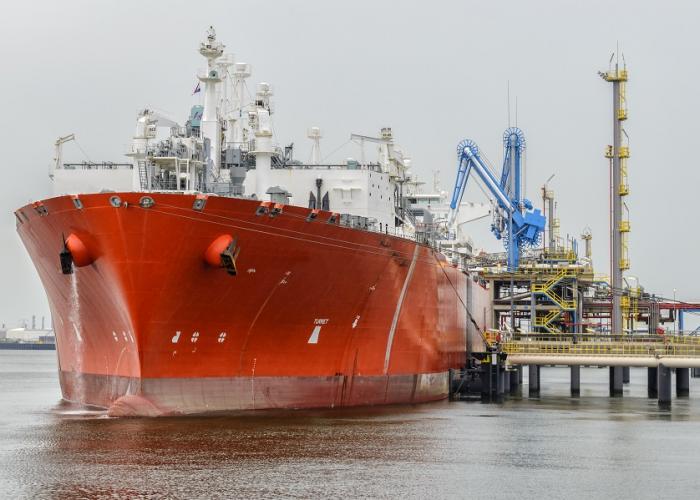
View of a red LNG tanker moored at a port
Ports can thrive in a low carbon future
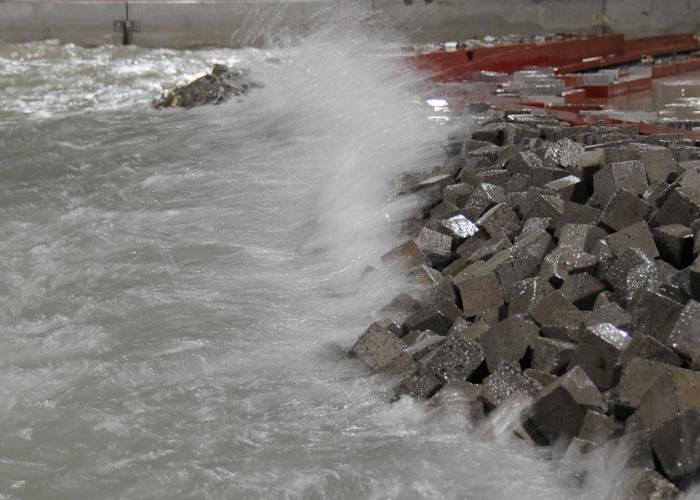
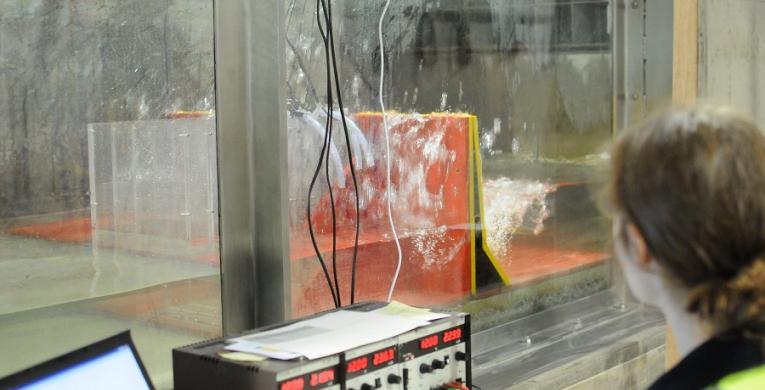
View of waves crashing on modelled breakwater
Preparing ports for climate change: prevention is better than cure
Report encourages ports to act soon on climate adaptation
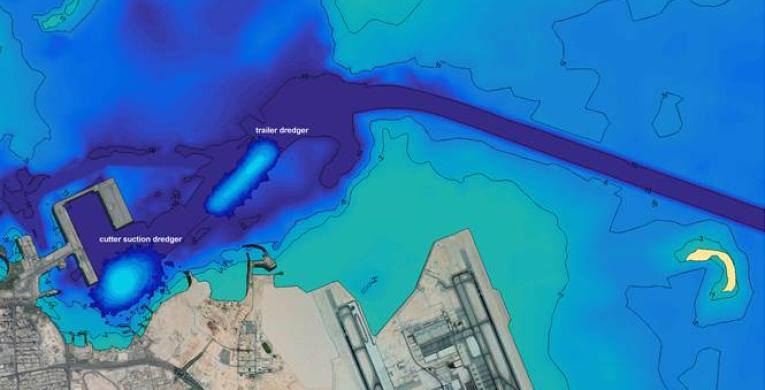
snapshot of HR Wallingford forecast of the sediment plumes in the sea
Forecasting service to better manage environmental impacts of dredging

Get in touch

Mark Lee

Technical Director
Contact Profile
Headshot of Mark Lee

Helen Wilcox

Press Office
Contact Profile

Explore more

We are global leaders and independent experts in how to live and work sustainably with water

Social media

  • BlueSky
  • LinkedIn
  • YouTube

Expertise

  • Coastal & marine
  • Energy transition
  • Water & climate
  • Software solutions
  • Equipment & technology

Company

  • About
  • Careers
  • News
  • Insights
  • Sustainability

Legal

  • Privacy & data protection
  • Policies
  • Modern slavery statement
  • Terms & conditions
  • Sitemap
© 2026 HR Wallingford
Contact