Iain Gunn
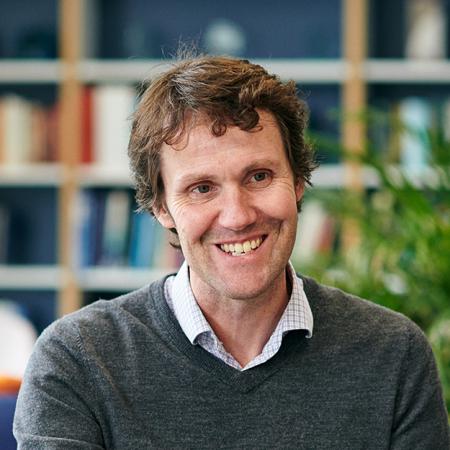
Iain is a Chartered Civil Engineer, and is Sector Lead for Energy. He brings 30 years' experience in the study, design, planning, and execution of projects in the water environment to leadership for this critical sector.

What’s your background?
I did an engineering science degree at Oxford, and I am a Chartered Civil Engineer, so I have a broad base of knowledge. I wanted to do something in water from a young age and by fate have worked predominantly on marine projects but also have some fresh water experience.
How did you come to work at HR Wallingford?
I first worked here for three years after university, primarily wave modelling, with some current and sediment transport modelling. I then spent 11 years working for a major engineering consultancy in London and Brisbane before coming back to HR Wallingford in 2009. My first role on return was on secondment to a LNG project that HR Wallingford was supporting as lead marine engineer, and since then I have worked exclusively in the energy sector.
What does your job involve?
As Sector Lead for Energy, I get involved in a wide range of energy infrastructure projects from renewables to nuclear with our input including subsea foundations, jetties, quays, breakwaters, intakes, marine operations, and everything around protection of assets from marine or fresh water flooding. Much of our work is international so I deal with a range of different clients and cultures. Because of the energy transition, the energy sectors are becoming much more integrated with traditional oil and gas operators undertaking renewables projects and renewables operators developing projects with production of transition fuels such as ammonia.
Recently I have been leading an unusual project - the development of a UK Deep Water Testing Facility. The current design phase of this project is funded by the Crown Estate £50M Accelerator with match funding from HR Wallingford. It is an ambitious project that will help solve issues related to motions on floating wind turbines that have led to failures in early demonstrator projects. The facility will also critically help to develop technical expertise in the UK to serve the hugely ambitions plans that the UK has for floating wind.
Iain in action
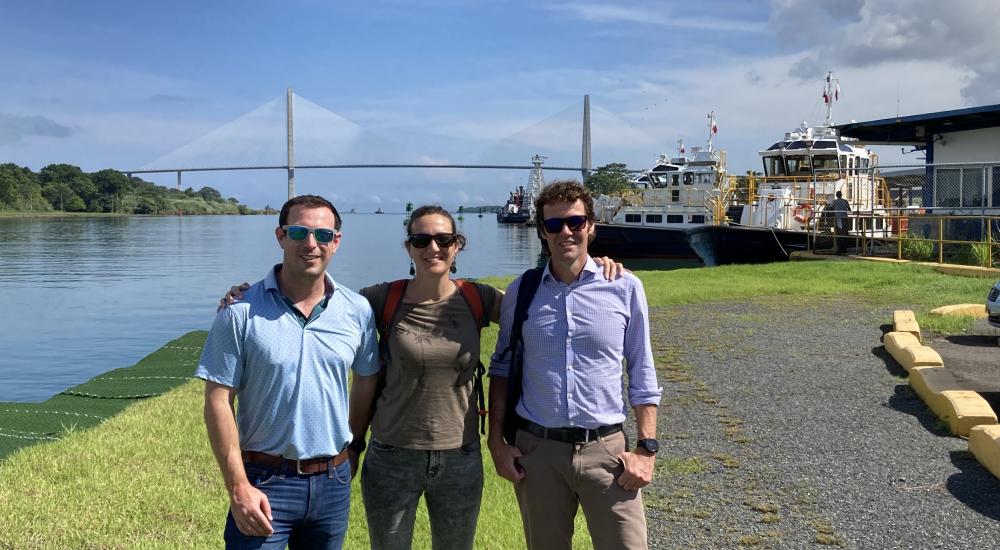
Iain in Panama
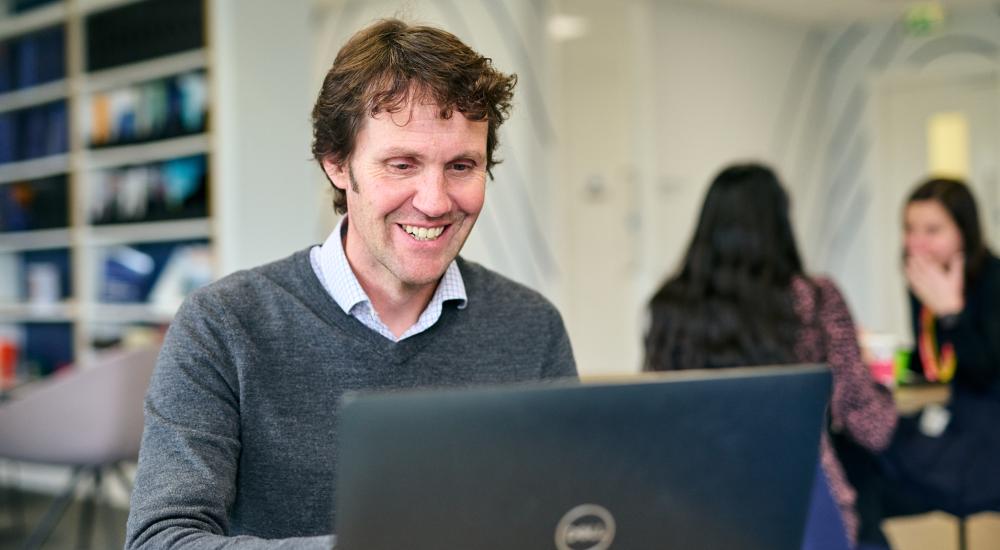
Iain in the office's social space
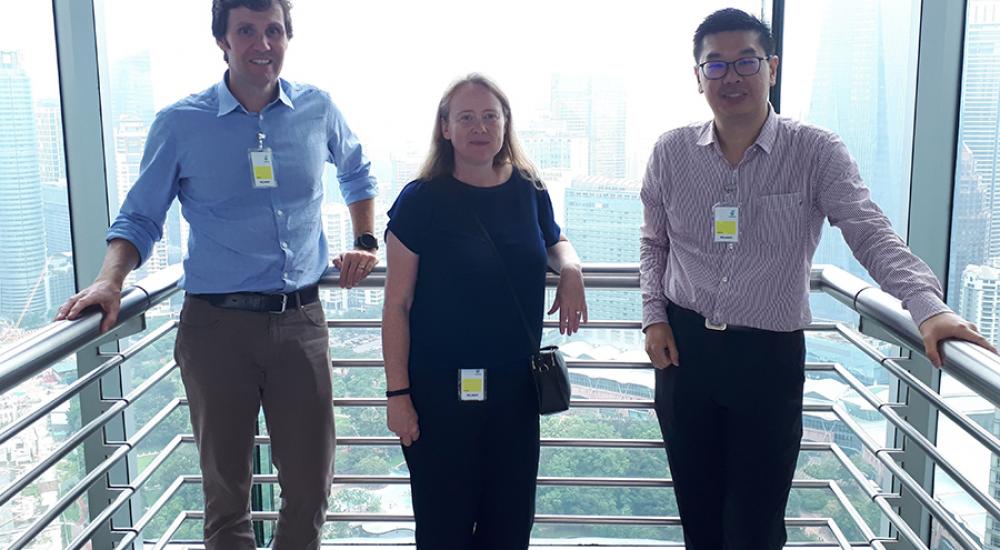
Visit to the twin towers in Kuala Lumpur
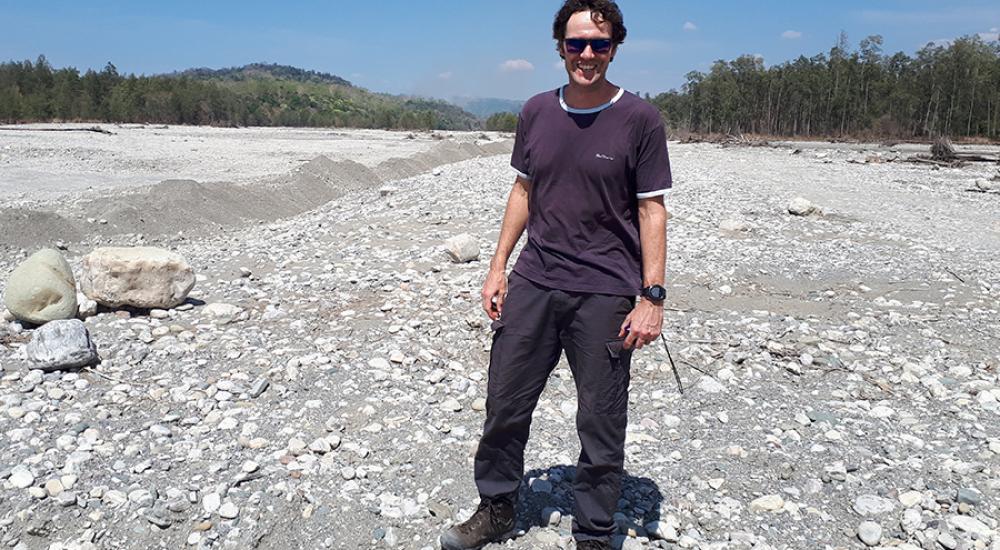
Site visit in the far east
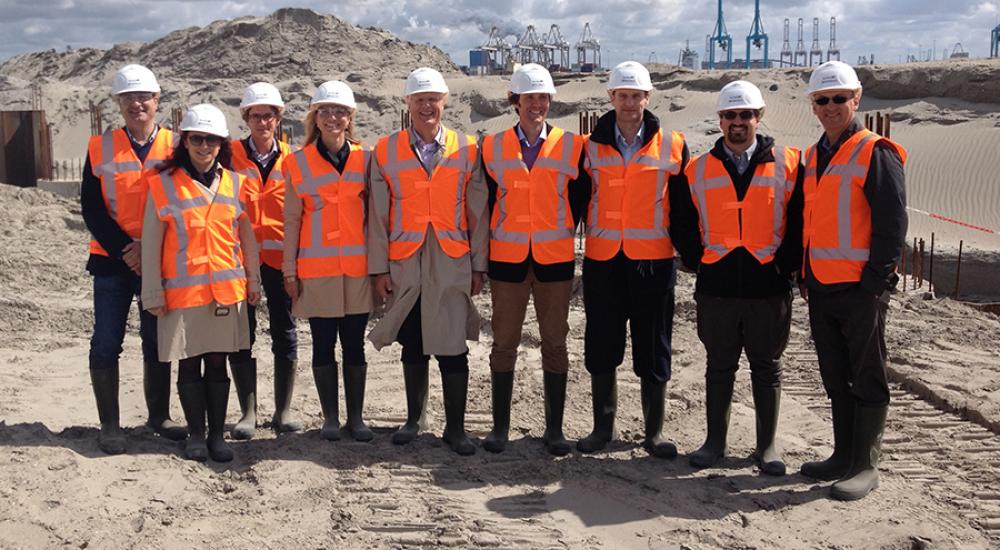
PIANC Working Group visit in Rotterdam
What opportunities are you looking forward to developing at HR Wallingford?
That’s really simple: it’s the energy transition. We will see massive change in the next 10-20 years. We have been working in offshore wind for some years, but there are developing areas in transition fuels and carbon capture where we provide expertise. There is also an upcoming nuclear renaissance which is boosted by a desire for energy security and the prospect of small modular reactors which should be easier and quicker to build.
What makes HR Wallingford unique?
It’s a very friendly place, with interesting work. Our head office is in a fabulous location, and is small enough to be personal but also really well regarded internationally. I think that’s really hard to find.
What do you enjoy outside work?
Mainly rowing these days but also running, open water swimming, cycling, surfing and messing about in any other kind of unpowered boat. And a bit of tinkering on the guitar.
And finally...
Can you remember the first record you bought? Yes, it was Alive 2 by Kiss but these days I’m a big Leonard Cohen fan.
And what about your signature dish? I do a lot of the cooking at home, so I should have one, but like diversity too much.
Anything else you’d like to share? Although I’m a marine engineer and love the water I get horrifically sea sick...fortunately I have managed to work through it so far.