Secondary nav 2022

  • Equipment
  • Software
  • Training

Main navigation 2022

  • About
    • About HR Wallingford
    • Our leadership
    • Our people
    • Our impact
      • Annual report & financial statements
      • Gender pay
      • Social impact
      • Sustainability
    • Our story
    • News
    • Insight articles
    • Policies
  • Projects
  • Expertise
    • Coastal & marine sustainability
      • Coastal hazards & resilience
      • Coastal morphology & sediment dynamics
      • Dredging and sediment management
      • Marine & coastal environment
      • Ports, harbours and shipping
      • Subsea engineering
      • Waterfronts, marinas and resorts
    • Energy transition
      • Fixed offshore wind
      • Floating offshore wind
      • Liquified gas & transition fuels
      • Nuclear
      • Wave, tidal, solar & hydropower
    • Water & climate resilience
      • Dams & reservoirs
      • Freshwater environment
      • Integrated flood management
      • Surface water systems
      • Water management for climate resilient development
      • Water supply & drought resilience
  • Facilities
    • Explore our facilities
    • Ship simulation
      • Australia Ship Simulation Centre
      • UK Ship Simulation Centre
    • Physical modelling
      • Fast Flow Facility
      • Tsunami simulator
      • Volumetric flow flume
      • Wave basins
      • Wave flumes
      • Erosion rate measurement
      • Water rescue training
  • Careers
    • Careers overview
    • Working at HR Wallingford
    • Job opportunities
  • Contact
  • About
    • About HR Wallingford
    • Our leadership
    • Our people
    • Our impact
      • Annual report & financial statements
      • Gender pay
      • Social impact
      • Sustainability
    • Our story
    • News
    • Insight articles
    • Policies
  • Projects
  • Expertise
    • Coastal & marine sustainability
      • Coastal hazards & resilience
      • Coastal morphology & sediment dynamics
      • Dredging and sediment management
      • Marine & coastal environment
      • Ports, harbours and shipping
      • Subsea engineering
      • Waterfronts, marinas and resorts
    • Energy transition
      • Fixed offshore wind
      • Floating offshore wind
      • Liquified gas & transition fuels
      • Nuclear
      • Wave, tidal, solar & hydropower
    • Water & climate resilience
      • Dams & reservoirs
      • Freshwater environment
      • Integrated flood management
      • Surface water systems
      • Water management for climate resilient development
      • Water supply & drought resilience
  • Facilities
    • Explore our facilities
    • Ship simulation
      • Australia Ship Simulation Centre
      • UK Ship Simulation Centre
    • Physical modelling
      • Fast Flow Facility
      • Tsunami simulator
      • Volumetric flow flume
      • Wave basins
      • Wave flumes
      • Erosion rate measurement
      • Water rescue training
  • Careers
    • Careers overview
    • Working at HR Wallingford
    • Job opportunities
  • Contact
  1. Home >
  2. Projects >
  3. Preparing Milford Haven for floating offshore wind
Preparing Milford Haven for floating offshore wind

Share

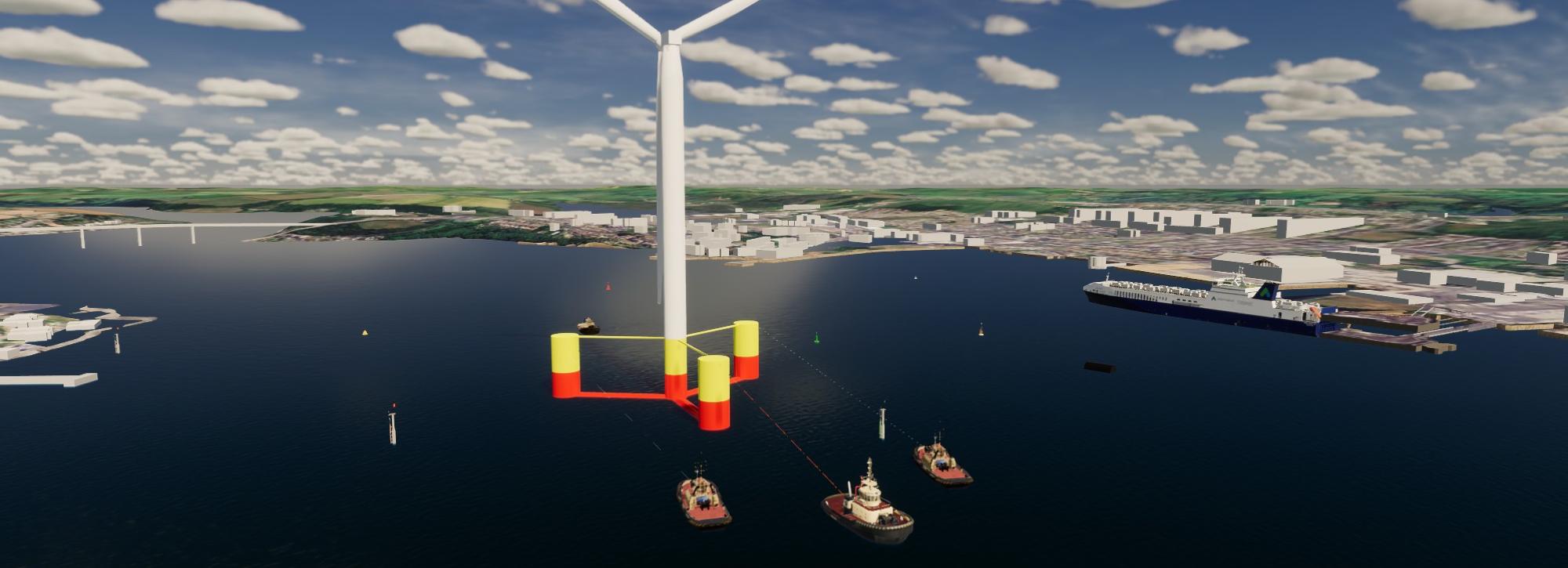
HR Wallingford supported the Port of Milford Haven in Wales by assessing the feasibility of towing and navigating large floating offshore wind structures within the Haven. The study provided early, evidence‑based insight to support safe, sustainable port operations and future investment in clean energy infrastructure.

SDG9 - Industry
Location
Milford Haven, UK

Enabling floating offshore wind in the Celtic Sea

Floating offshore wind is expected to play a major role in delivering low‑carbon energy in the Celtic Sea, with turbines ranging from 15-20 megawatts (MW). These structures are significantly larger and more complex than vessels and floating assets traditionally handled at Milford Haven.

The Port of Milford Haven needed clarity on whether partially assembled and fully integrated floating offshore wind turbines could be safely towed, manoeuvred, moored and exported through an estuary characterised by strong tidal currents, constrained turning areas and limited under keel clearance.

There was a strong need for independent, evidence‑based advice to understand operational limits, environmental constraints and risks, while ensuring future turbine movements would not compromise existing shipping, port infrastructure or cargo operations. This understanding was critical to inform early planning, infrastructure readiness and long‑term investment decisions.
Evidence‑based assessment of towage, navigation and environmental constraints

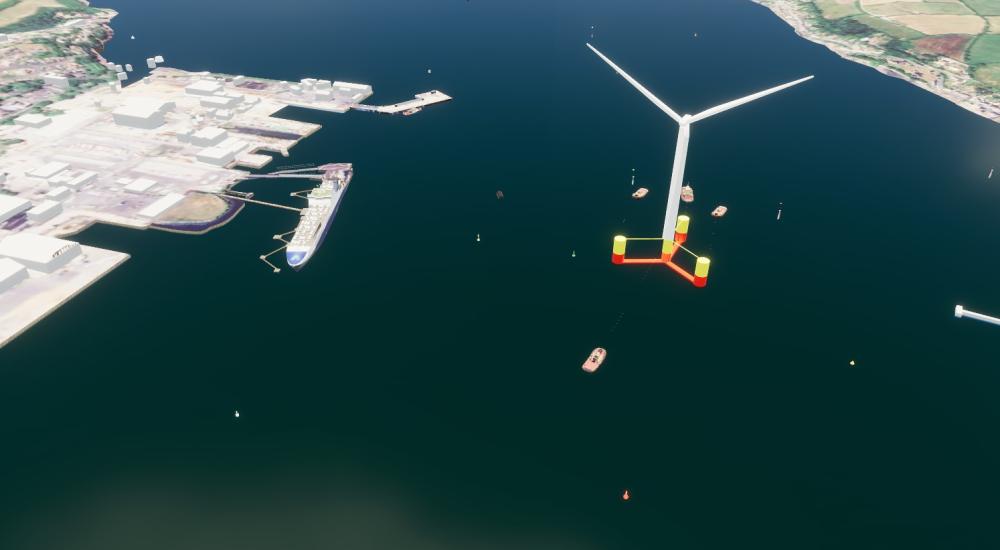
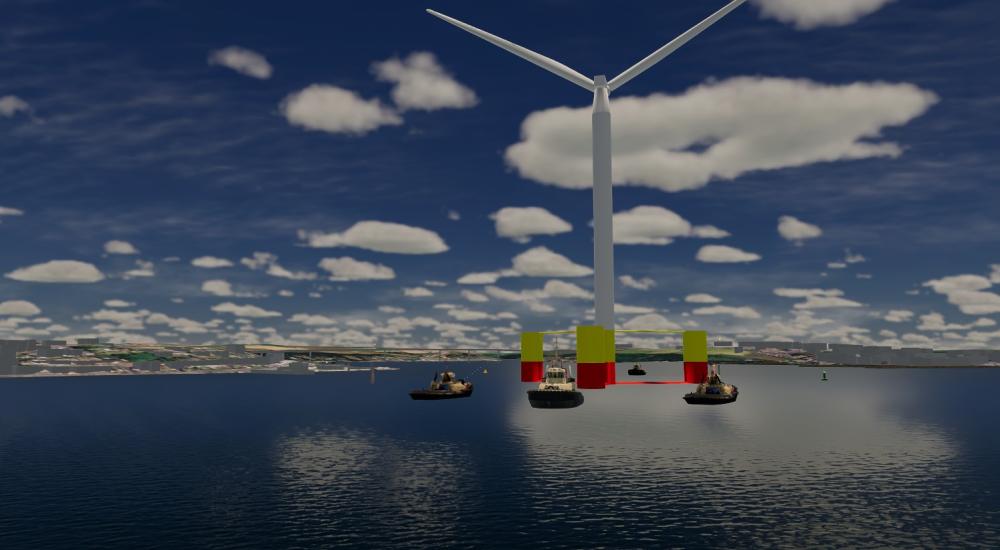
We carried out a high‑level navigation and towage assessment to help the Port determine whether practical and safe operating concepts could be developed for a range of floating offshore wind substructures.

Our approach considered both unintegrated substructures and fully assembled 15-20 MW turbines, including steel semi‑submersibles, concrete barges and tension‑leg platforms. We assessed towing operations in both directions within the Haven, transits on semi‑submersible vessels, and options for temporary mooring.

Each activity was evaluated against what mattered most to the Port: whether operations could be resilient to wind and tidal conditions, compatible with existing traffic and infrastructure, and achievable within the physical constraints of the estuary. We reviewed established towage practices for large floating assets alongside emerging handling and manoeuvring techniques suited to floating offshore wind.

Given the unusual hydrodynamic behaviour of fully assembled turbines, we recommended further modelling capable of representing six degrees of freedom, supported by physical modelling to assess stability in currents and during constrained manoeuvres. This was combined with HR Wallingford’s phased navigation simulation methodology, providing a clear framework for progressively reducing uncertainty.

Key considerations included tidal windows, combined wind and current effects, air draught and under keel clearance, tow controllability, minimum towage requirements, environmental data needs and the scope of future navigation risk assessments.
Reducing uncertainty and supporting confident port planning

The assessment provided the Port of Milford Haven with a robust foundation to inform its potential role in supporting floating offshore wind deployment and maintenance in the Celtic Sea.

While further detailed navigation risk assessments and operational planning are required, the study confirmed that safe and practical towing concepts could be developed for both floating substructures and fully integrated turbines. By identifying constraints, risks and data needs at an early stage, the work reduced uncertainty for stakeholders and supported more resilient, sustainable planning.

In the longer term, improving the feasibility of floating offshore wind operations helps accelerate low‑carbon energy production, strengthen regional supply chains and position Milford Haven as a strategically important hub in the UK’s transition to net zero.

Contact our project lead

Iain Gunn
Sector Lead – Energy
Contact Profile

Explore more

  • All
  • Project
  • Expertise
  • News
  • Insight
  • Facility
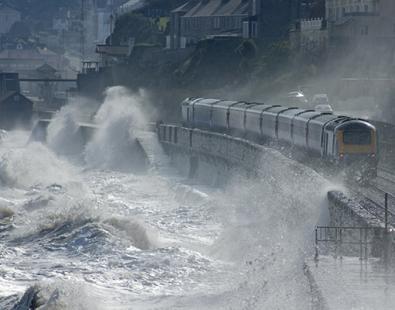
Waves overtopping the sea wall at Dawlish

Coastal hazards & resilience

Dredging & sediment management

Waterfronts, marinas & coastal resorts

Fixed offshore wind

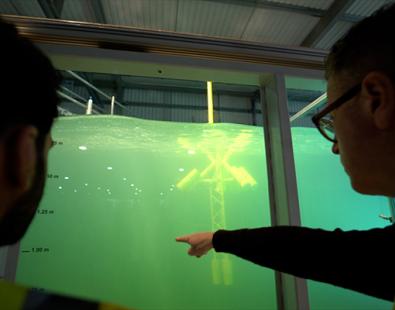
View of the Stinger Keel model in HR Wallingford's Fast Flow Facility

Floating offshore wind

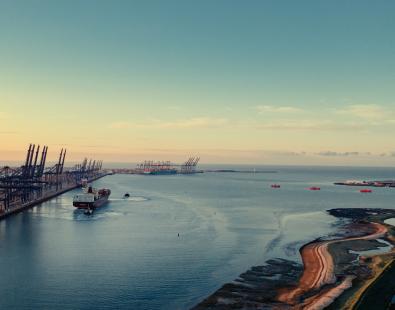
Aerial view of Felixstowe at sunrise, showcase of nature positive dredging

Ports, harbours & shipping

Screenshot of wave modelling in Telemac with orange, yellow and blue colours

Wave, tidal, solar & hydro power

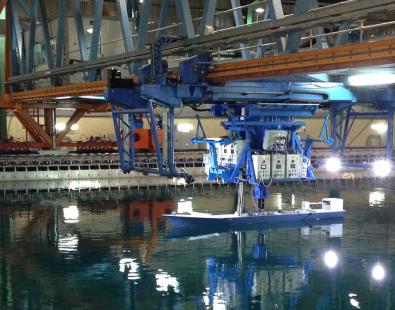
View of a towing carriage above physical models

Towing carriages and multi-motion carriages

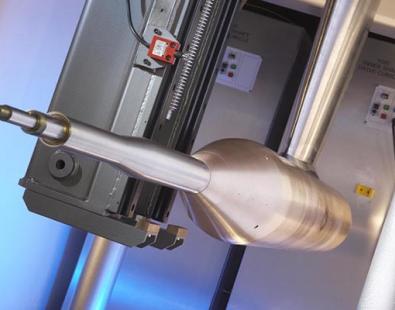
close-up of a force measurement instrument for physical models

Force measuring equipment and dynamometers

Numerical modelling output for scour at an offshore wind farm cable

Subsea engineering

Numerical modelling output for scour at an offshore wind farm cable

Subsea engineering

View of our multi-element wavemaker in our physical models

Wavemaker design and manufacture

We are global leaders and independent experts in how to live and work sustainably with water

Social media

  • BlueSky
  • LinkedIn
  • YouTube

Expertise

  • Coastal & marine
  • Energy transition
  • Water & climate
  • Software solutions
  • Equipment & technology

Company

  • About
  • Careers
  • News
  • Insights
  • Sustainability

Legal

  • Privacy & data protection
  • Policies
  • Modern slavery statement
  • Terms & conditions
  • Sitemap
© 2026 HR Wallingford
Contact