Secondary nav 2022

  • Equipment
  • Software
  • Training

Main navigation 2022

  • About
    • About HR Wallingford
    • Our leadership
    • Our people
    • Our impact
      • Annual report & financial statements
      • Gender pay
      • Social impact
      • Sustainability
    • Our story
    • News
    • Insight articles
    • Policies
  • Projects
  • Expertise
    • Coastal & marine sustainability
      • Coastal hazards & resilience
      • Coastal morphology & sediment dynamics
      • Dredging and sediment management
      • Marine & coastal environment
      • Ports, harbours and shipping
      • Subsea engineering
      • Waterfronts, marinas and resorts
    • Energy transition
      • Fixed offshore wind
      • Floating offshore wind
      • Liquified gas & transition fuels
      • Nuclear
      • Wave, tidal, solar & hydropower
    • Water & climate resilience
      • Dams & reservoirs
      • Freshwater environment
      • Integrated flood management
      • Surface water systems
      • Water management for climate resilient development
      • Water supply & drought resilience
  • Facilities
    • Explore our facilities
    • Ship simulation
      • Australia Ship Simulation Centre
      • UK Ship Simulation Centre
    • Physical modelling
      • Fast Flow Facility
      • Tsunami simulator
      • Volumetric flow flume
      • Wave basins
      • Wave flumes
      • Erosion rate measurement
      • Water rescue training
  • Careers
    • Careers overview
    • Working at HR Wallingford
    • Job opportunities
  • Contact
  • About
    • About HR Wallingford
    • Our leadership
    • Our people
    • Our impact
      • Annual report & financial statements
      • Gender pay
      • Social impact
      • Sustainability
    • Our story
    • News
    • Insight articles
    • Policies
  • Projects
  • Expertise
    • Coastal & marine sustainability
      • Coastal hazards & resilience
      • Coastal morphology & sediment dynamics
      • Dredging and sediment management
      • Marine & coastal environment
      • Ports, harbours and shipping
      • Subsea engineering
      • Waterfronts, marinas and resorts
    • Energy transition
      • Fixed offshore wind
      • Floating offshore wind
      • Liquified gas & transition fuels
      • Nuclear
      • Wave, tidal, solar & hydropower
    • Water & climate resilience
      • Dams & reservoirs
      • Freshwater environment
      • Integrated flood management
      • Surface water systems
      • Water management for climate resilient development
      • Water supply & drought resilience
  • Facilities
    • Explore our facilities
    • Ship simulation
      • Australia Ship Simulation Centre
      • UK Ship Simulation Centre
    • Physical modelling
      • Fast Flow Facility
      • Tsunami simulator
      • Volumetric flow flume
      • Wave basins
      • Wave flumes
      • Erosion rate measurement
      • Water rescue training
  • Careers
    • Careers overview
    • Working at HR Wallingford
    • Job opportunities
  • Contact
  1. Home >
  2. Expertise >
  3. Energy transition >
  4. Fixed offshore wind

Fixed offshore wind

Share

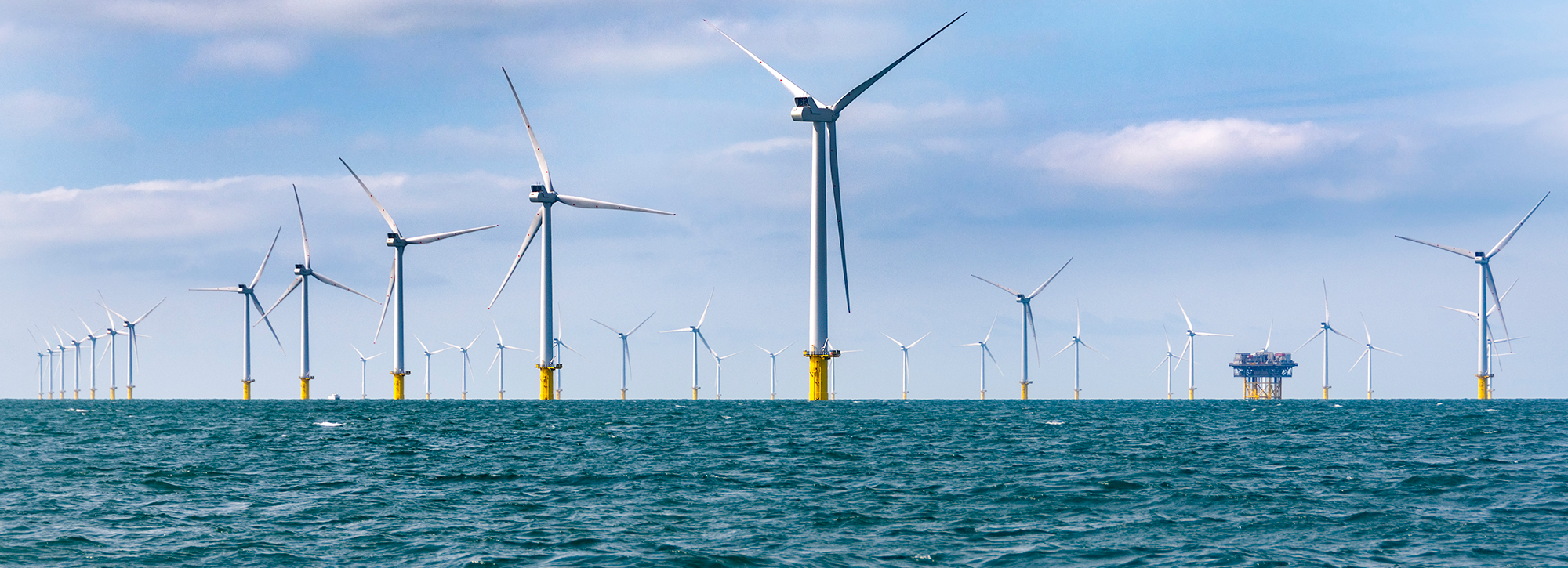
Engineering certainty for fixed‑bottom offshore wind through industry‑leading modelling and seabed science.

Fixed offshore wind is central to net‑zero, and projects are moving into more challenging waters as the seabed grows increasingly congested. We support developers, designers, contractors and operators by assessing hazards, optimising foundations and cables, planning port upgrades, and de‑risking delivery through advanced design, modelling, physical testing and data‑driven insight. We enable safe, resilient and cost‑effective offshore wind infrastructure worldwide.
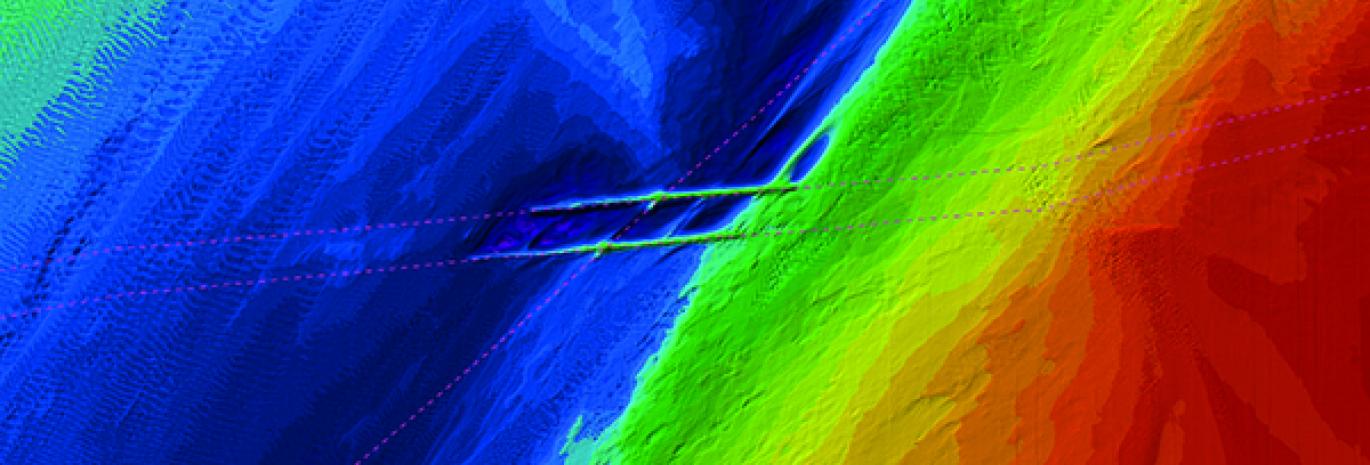
Numerical modelling output for scour at an offshore wind farm cable

Understanding offshore wind sector and climate pressures

Offshore wind is expanding rapidly, driving innovation in fixed‑bottom foundations and subsea engineering. Projects are being built in more challenging waters, with tighter environmental constraints and greater scrutiny on lifecycle resilience. Climate change, extreme weather and evolving regulation require credible evidence that designs will perform safely under present and future conditions.

Fixed bottom offshore wind engineering and environmental risks

Developers need confidence in how foundations, cables and substations will behave under waves, tides and mobile seabeds. As sites become more complex, so do scour risks, hydrodynamic loads, cable‑protection needs, nearshore landfalls, noise management and installation logistics. Robust, defendable assessments are required across site selection, consenting, construction, operation, life‑extension and decommissioning.
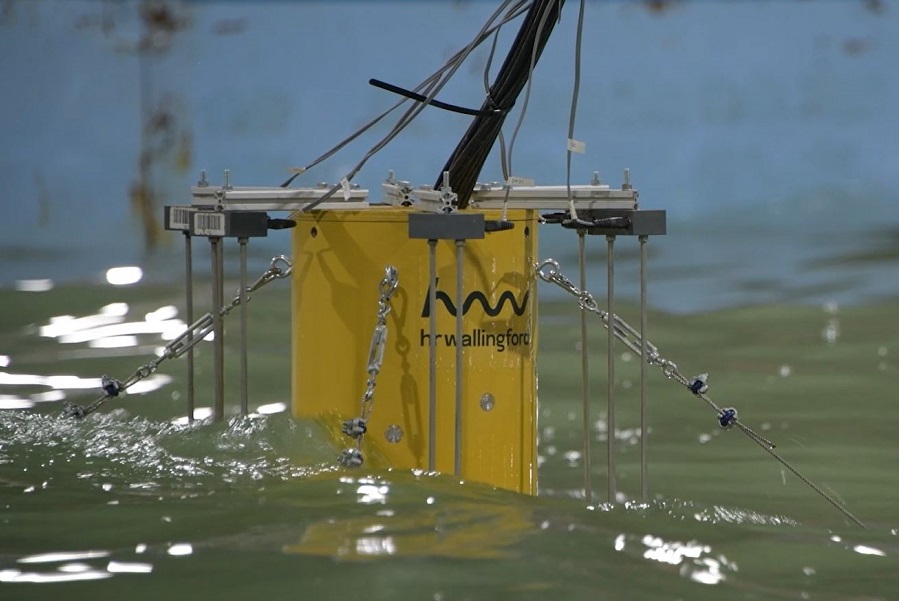
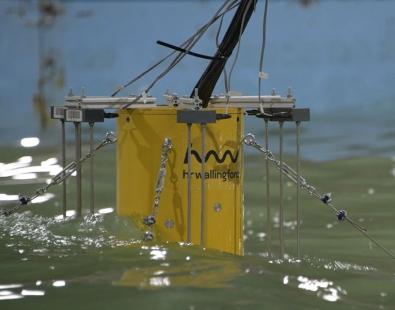
View of offshore structure tested on physical models

How HR Wallingford supports fixed bottom offshore wind - from design to decommissioning

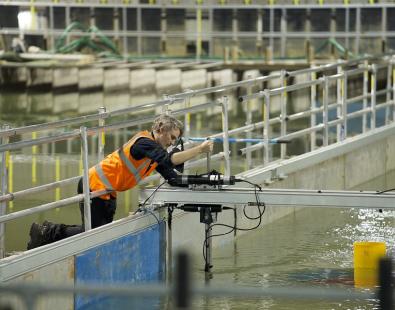
With over 25 years in offshore wind, our teams bring deep expertise in hydraulics, coastal and seabed processes. As one of Europe’s largest physical modelling laboratories, we use purpose‑built flumes - including our Fast Flow Facility - to test new foundation concepts and understand hydrodynamic behaviour under challenging conditions. Combined with advanced numerical and noise modelling, field monitoring and digital decision‑support tools, we optimise foundation stability, refine cable landfalls, design effective scour and cable protection, and plan safe marine operations. We also support the enabling port infrastructure - navigation, logistics, dredge management and operational modelling - so operators can deliver efficient, 24/7 facilities at a proportionate cost. Across the full lifecycle, we provide clear, defensible evidence for permitting, operational performance and environmentally responsible decommissioning.

Reducing risk and improving performance in fixed bottom offshore wind

Our work strengthens design certainty, shortens programmes and reduces costly remediation. We help organisations minimise environmental impacts, safeguard people and assets, and operate with confidence over the long term. By integrating modelling, monitoring and best practice, we enable resilient, high‑performing projects that accelerate renewable energy delivery.

Fixed offshore wind expertise

Foundation and substructure hydrodynamics

Physical and advanced CFD modelling of waves, currents, flow amplification and loads to optimise monopile, jacket and gravity based designs.

Advanced physical modelling of offshore structures

Large scale flume testing of foundation behaviour, scour development and cable protection system (CPS) stabilisation to validate design performance.

Fast Flow Facility hydrodynamic testing

Purpose built high velocity flow experiments to assess new foundation types and validate scour and cable protection strategies.

Scour assessment, scour protection design and monitoring

Prediction of scour, design of rock or engineered solutions, and monitoring programmes to manage risk through construction and operation.

Cable landfall and export cable design

Assessment of coastal processes, sediment mobility and nearshore hazards for robust routing, landfall and installation.

Morphological and sediment transport analysis

Understanding seabed change, mobility and long term coastal evolution across arrays, corridors and landfalls.

Offshore noise modelling

Assessment of underwater noise during installation and operation, with mitigation advice to support environmental approvals.

Climate and extreme event analysis

Scenario testing for storms, waves and future climate conditions to improve design resilience and operational planning.

Construction and marine operations support

Expert support including weather window, access and operability analysis to de risk nearshore works, vessel access and offshore campaigns.

Navigation and vessel simulation

Full bridge simulation and risk assessment for port approaches, marine terminals and O&M movements.

Port infrastructure and marine logistics planning

Layout, dredge and operational modelling to plan upgrades that support round the clock construction and O&M.

Environmental impact and consent support

Evidence for EIA, covering hydrodynamics, morphology, noise, sediment and water quality interactions.

Monitoring and field data collection support

Advice on wave, current and seabed measurements to inform design, calibrate models and verify performance.

Decommissioning and seabed recovery

Options appraisal for removal, environmental effects assessment, sediment disturbance and seabed restoration planning.

Get in touch

Iain Gunn
Sector Lead – Energy
Contact Profile

Explore more

  • All
  • Project
  • Expertise
  • News
  • Insight
  • Facility
View of offshore structure tested on physical models

Fatigue research to optimise offshore wind design

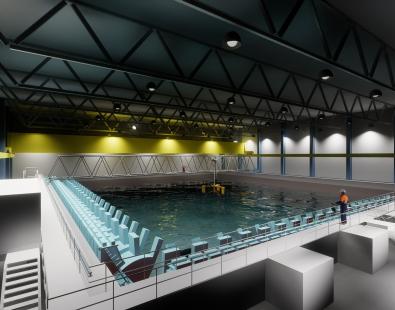
A national deep water testing facility for floating offshore wind

Scour protection for supersized monopiles at Coastal Virginia

View of testing ECOwind

Examining the marine impact of offshore wind growth

We are global leaders and independent experts in how to live and work sustainably with water

Social media

  • BlueSky
  • LinkedIn
  • YouTube

Expertise

  • Coastal & marine
  • Energy transition
  • Water & climate
  • Software solutions
  • Equipment & technology

Company

  • About
  • Careers
  • News
  • Insights
  • Sustainability

Legal

  • Privacy & data protection
  • Policies
  • Modern slavery statement
  • Terms & conditions
  • Sitemap
© 2026 HR Wallingford
Contact