Secondary nav 2022

  • Equipment
  • Software
  • Training

Main navigation 2022

  • About
    • About HR Wallingford
    • Our leadership
    • Our people
    • Our impact
      • Annual report & financial statements
      • Gender pay
      • Social impact
      • Sustainability
    • Our story
    • News
    • Insight articles
    • Policies
  • Projects
  • Expertise
    • Coastal & marine sustainability
      • Coastal hazards & resilience
      • Coastal morphology & sediment dynamics
      • Dredging and sediment management
      • Marine & coastal environment
      • Ports, harbours and shipping
      • Subsea engineering
      • Waterfronts, marinas and resorts
    • Energy transition
      • Fixed offshore wind
      • Floating offshore wind
      • Liquified gas & transition fuels
      • Nuclear
      • Wave, tidal, solar & hydropower
    • Water & climate resilience
      • Dams & reservoirs
      • Freshwater environment
      • Integrated flood management
      • Surface water systems
      • Water management for climate resilient development
      • Water supply & drought resilience
  • Facilities
    • Explore our facilities
    • Ship simulation
      • Australia Ship Simulation Centre
      • UK Ship Simulation Centre
    • Physical modelling
      • Fast Flow Facility
      • Tsunami simulator
      • Volumetric flow flume
      • Wave basins
      • Wave flumes
      • Erosion rate measurement
      • Water rescue training
  • Careers
    • Careers overview
    • Working at HR Wallingford
    • Job opportunities
  • Contact
  • About
    • About HR Wallingford
    • Our leadership
    • Our people
    • Our impact
      • Annual report & financial statements
      • Gender pay
      • Social impact
      • Sustainability
    • Our story
    • News
    • Insight articles
    • Policies
  • Projects
  • Expertise
    • Coastal & marine sustainability
      • Coastal hazards & resilience
      • Coastal morphology & sediment dynamics
      • Dredging and sediment management
      • Marine & coastal environment
      • Ports, harbours and shipping
      • Subsea engineering
      • Waterfronts, marinas and resorts
    • Energy transition
      • Fixed offshore wind
      • Floating offshore wind
      • Liquified gas & transition fuels
      • Nuclear
      • Wave, tidal, solar & hydropower
    • Water & climate resilience
      • Dams & reservoirs
      • Freshwater environment
      • Integrated flood management
      • Surface water systems
      • Water management for climate resilient development
      • Water supply & drought resilience
  • Facilities
    • Explore our facilities
    • Ship simulation
      • Australia Ship Simulation Centre
      • UK Ship Simulation Centre
    • Physical modelling
      • Fast Flow Facility
      • Tsunami simulator
      • Volumetric flow flume
      • Wave basins
      • Wave flumes
      • Erosion rate measurement
      • Water rescue training
  • Careers
    • Careers overview
    • Working at HR Wallingford
    • Job opportunities
  • Contact
  1. Home >
  2. Expertise >
  3. Energy transition >
  4. Nuclear energy

Nuclear energy

Share
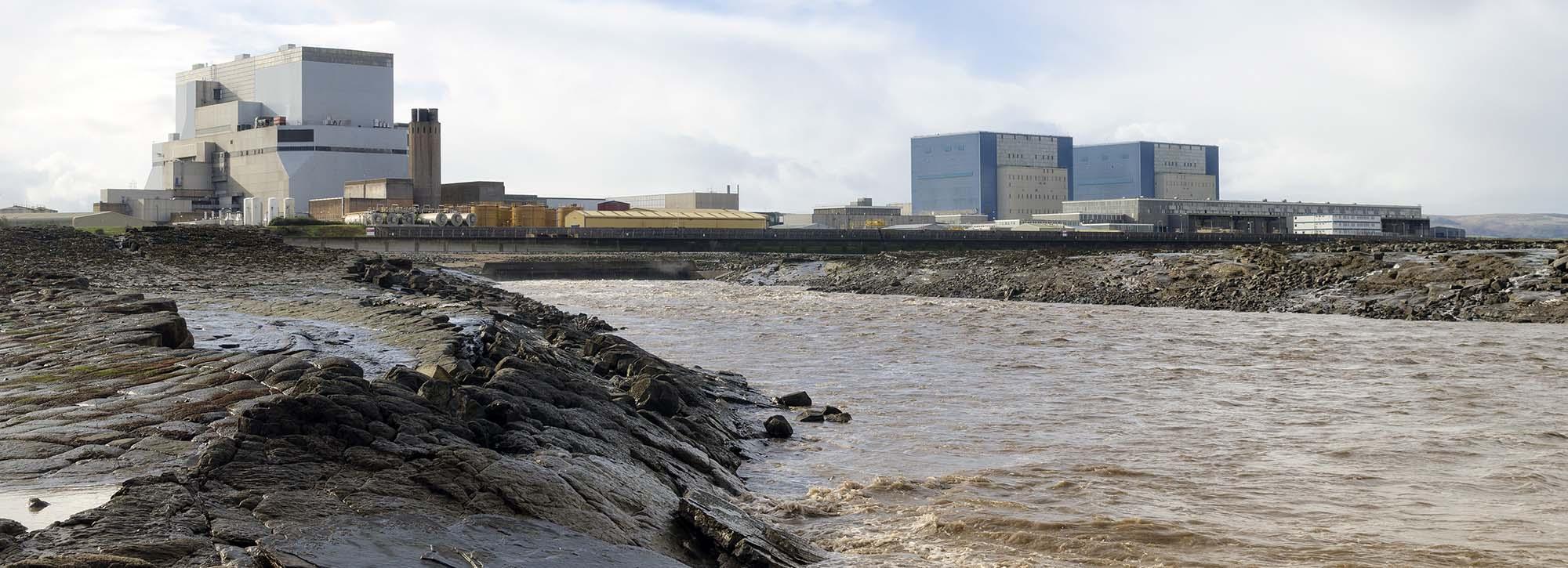
View of a nuclear plant by the sea

Trusted water‑focused expertise for nuclear power

Nuclear energy plays a critical role in achieving net‑zero, but sites face complex environmental and hydraulic challenges in river and coastal locations. We support developers, regulators and operators by assessing water‑related hazards to inform design parameters, improve resilience and guide safe, sustainable project delivery. We give clients the confidence to plan, build and operate nuclear facilities that provide baseload energy while protecting communities, infrastructure and the environment. 

Understanding climate and sector pressures

Nuclear sites are increasingly exposed to climate‑driven pressures such as sea‑level rise, coastal change, extreme weather and long‑term water availability. These challenges shape site selection and definition, environmental permitting and operational resilience. With growing global demand for dependable low‑carbon power, the sector must demonstrate that new and existing assets can withstand future conditions throughout their full lifecycle.

Addressing complex client challenges

Developers and operators must navigate stringent safety and environmental regulations, demonstrate robust hazard assessments and prove resilience to flooding, erosion, sediment movement and water‑quality risks. Projects also require confidence in cooling‑water design, outfalls, intake structures and interactions with or impact on sensitive water environments. These challenges are technical, high‑stakes and essential to long‑term operational safety.

How HR Wallingford supports nuclear programmes

Our people bring deep experience in hydraulics, coastal processes and water‑environment science. We combine numerical modelling, physical modelling, field data collection, decision‑support tools and research‑driven best practice to provide critical engineering solutions. Our teams help clients understand site behaviour under extreme conditions, design robust water‑related infrastructure, and meet regulatory expectations with clear, evidence‑based assessments.

Delivering resilient and sustainable outcomes

Our work improves safety, strengthens environmental performance and supports informed investment decisions. We help organisations reduce risk, safeguard communities and deliver resilient assets that operate with confidence. By providing clarity on water‑related hazards from planning to operation, we enable the nuclear sector to contribute to a secure and sustainable energy future.
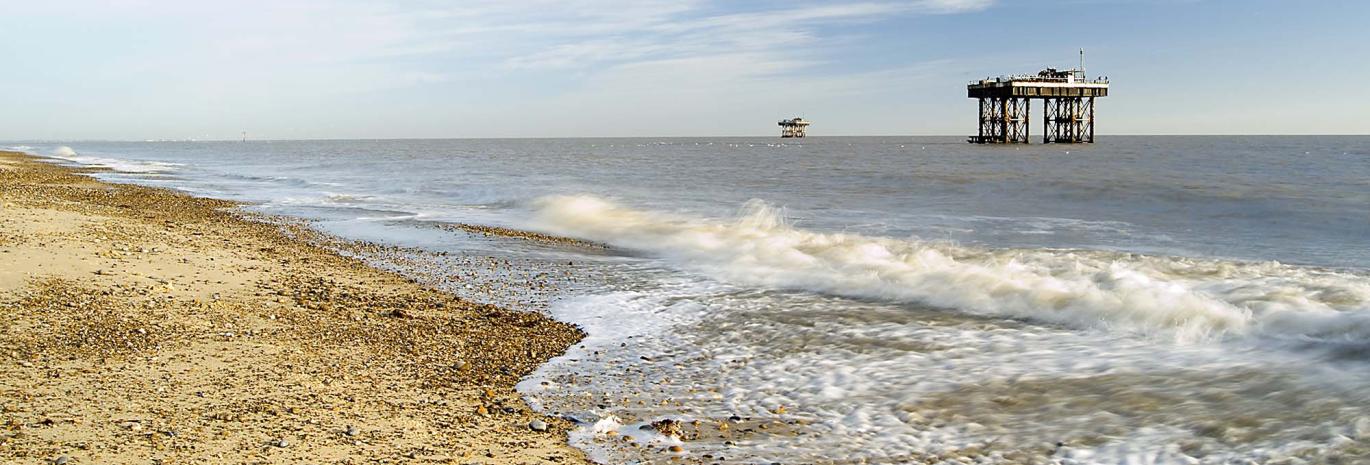
view of nuclear plant and cooling water outfalls

Nuclear sector expertise

Coastal and estuarine hazard assessment

Modelling of flooding, waves, sediment transport and sea level rise to understand long term site risk.

Cooling water system design

Assessment and optimisation of intake and outfall structures to ensure safe and efficient performance, including scour protection design and assessment of sediment and fish entrapment issues.

Physical modelling of hydraulic structures

Large scale physical model testing to validate designs (such as scour protection, intake structures or breakwaters) for resilience, safety and operability.

Numerical modelling and simulation

High resolution models to test scenarios, improve design decisions and support regulatory submissions, both to understand site-specific hydrodynamic patterns and optimise flows in the cooling arrangement (CFD).

Marine and freshwater monitoring

In situ data collection on waves, currents, sediment and water quality to support impact assessments.

Environmental impact assessment support

Evidence based inputs for EIA, including hydrodynamics, morphology, thermal plume dispersion and ecological considerations.

Climate resilience analysis

Scenario testing to evaluate future conditions and strengthen long term operational resilience.

Permitting and regulatory evidence

Clear, defensible technical reporting aligned with regulatory expectations for nuclear projects.

Design of marine offloading facilities

Design of marine offloading facilities including assessment of weather related downtime , mooring design and manoeuvring studies.

Support for small modular reactor (SMR) deployment

Assessment and design support for SMR coastal or riverside sites, including cooling water systems, flood resilience, and marine logistics such as offloading facilities required for modular reactor transport.

Get in touch

Iain Gunn
Sector Lead – Energy
Contact Profile

Explore more

  • All
  • Project
  • Expertise
  • News
  • Insight
  • Facility
Screenshot of a numerical simulation of an moored hydrogen carrier ship

Designing marine facilities for hydrogen: a risky business?

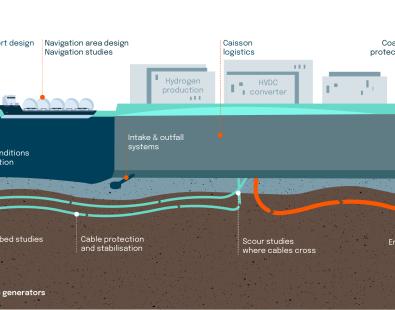
infographics showing energy islands scheme

Energy islands’ sustainable credentials rest on good advice

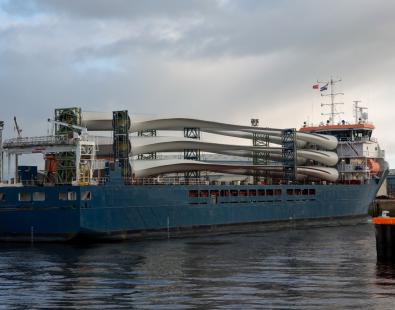
Ship with wind turbines moored at a port

Developing ports for floating offshore wind is an unprecedented opportunity

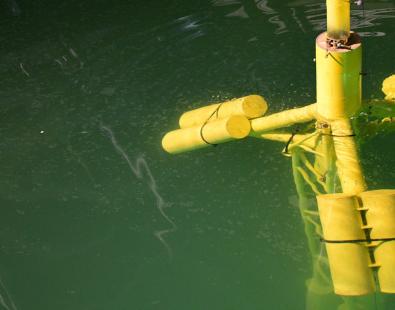
view of floating turbines in physical models

Deep knowledge to support floating turbines

Screenshot of wave modelling in Telemac with orange, yellow and blue colours

Model behaviour: why data is all important for new technologies

Accurate scaling for huge models has layers of complexity

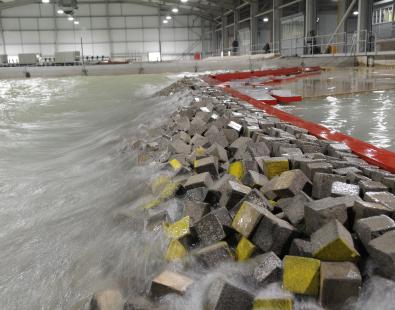
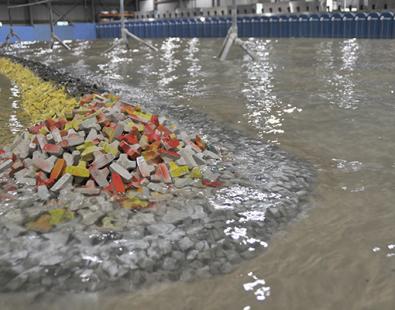
View of a breakwater in a physical model

The future is bright for physical modelling

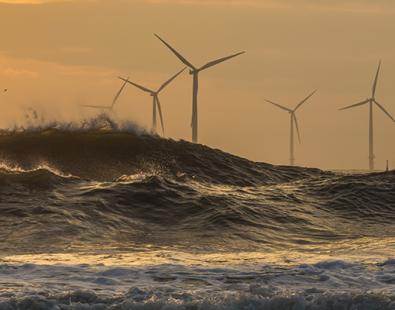
View of offshore wind farms in storm waves

Supporting safe operations with accurate marine weather forecasts

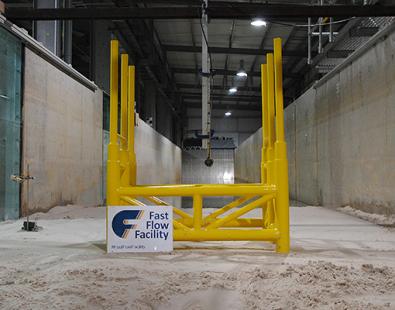
View of an offshore substation jacket test in physical models

Foundation innovation for offshore wind

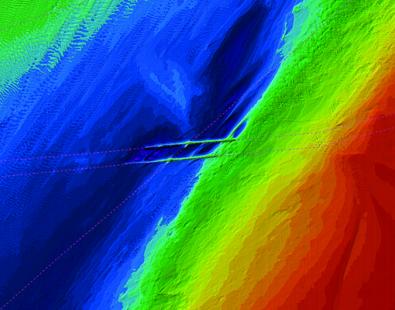
Numerical modelling output for scour at an offshore wind farm cable

Cable congestion

We are global leaders and independent experts in how to live and work sustainably with water

Social media

  • BlueSky
  • LinkedIn
  • YouTube

Expertise

  • Coastal & marine
  • Energy transition
  • Water & climate
  • Software solutions
  • Equipment & technology

Company

  • About
  • Careers
  • News
  • Insights
  • Sustainability

Legal

  • Privacy & data protection
  • Policies
  • Modern slavery statement
  • Terms & conditions
  • Sitemap
© 2026 HR Wallingford
Contact