Developing ports for floating offshore wind is an unprecedented opportunity
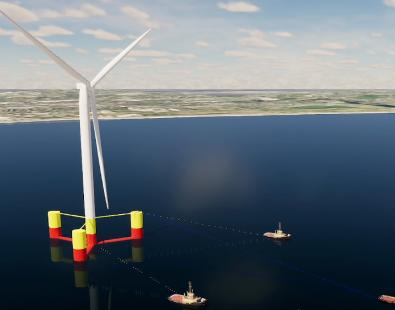
The offshore wind revolution is spreading across the globe. Floating offshore wind is on the cusp of full-scale industrialisation, with a substantial global pipeline of projects in development.
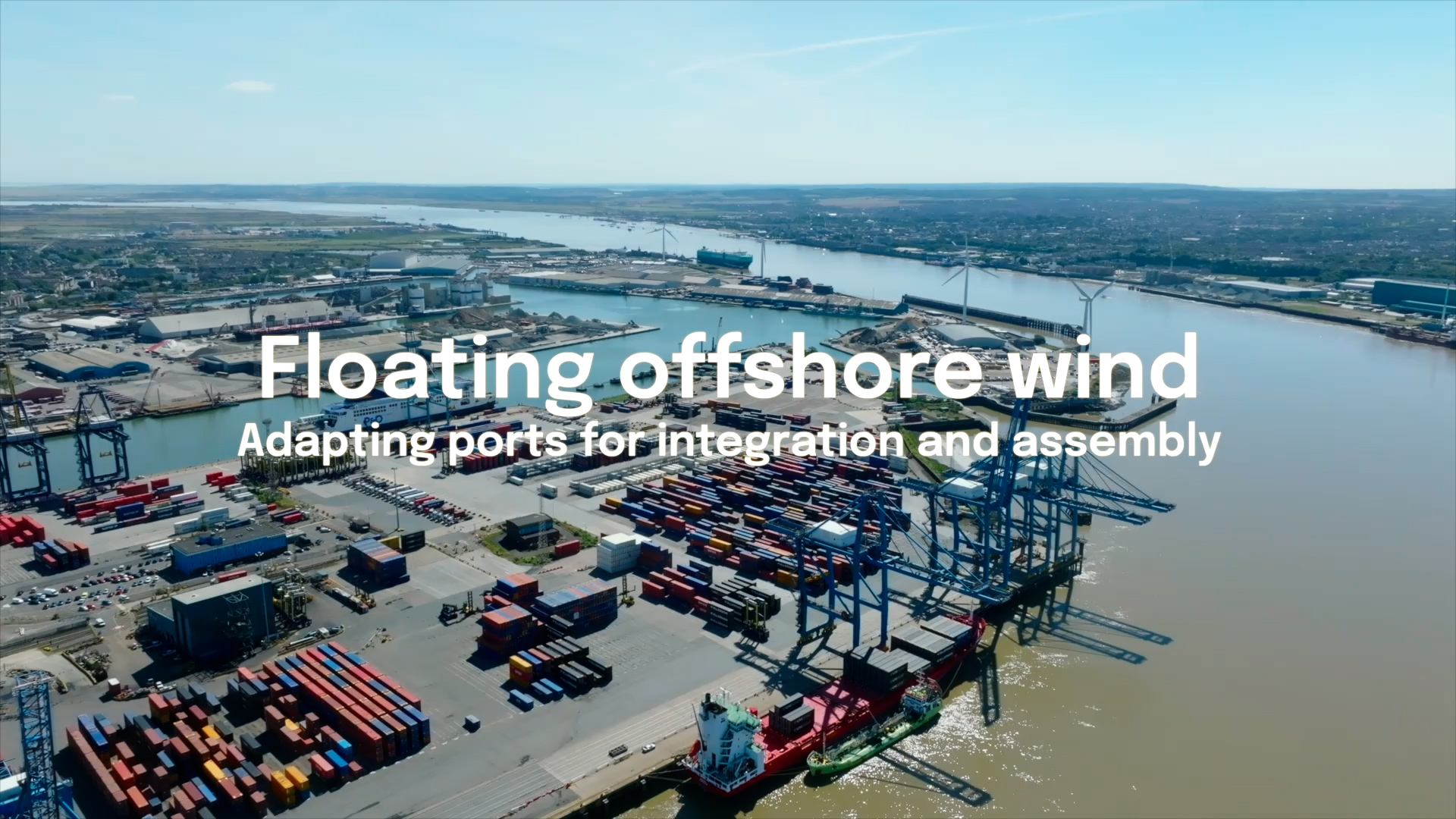
This growth represents an exceptional opportunity for the ports industry, not least because fabrication, assembly and integration of wind turbine generators is likely to move port-side due to the ever-increasing size of the structures and the complexity of assembly, integration and installation logistics. Port-side construction can also improve logistics efficiency and may support more localised supply chains, depending on the project setup and proximity to the wind farm site.
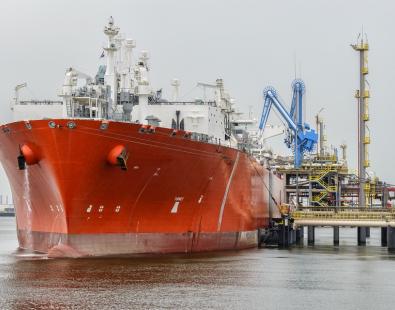
However, in their current form, many ports are not set up to maximise this opportunity. Port-side assembly and integration for the next generation of offshore turbines can require quay lengths of around 500m, which many ports do not have, alongside quayside water depths typically in the region of 12–20m. In addition, large-scale projects may require around from 15ha and upwards of laydown and pre-assembly space, together with wet storage. Floating offshore wind will also require port operators to step up significantly in terms of scale and their ability to support high rates of turbine production, assembly and deployment. If port operators are to grasp these opportunities, they will need to adapt.
This means that the first step to realising port-side assembly and integration is often expansion. And growing ports require master planning exercises, for both land and marine operations, that take capital and maintenance costs, and safety, and efficient operations into account. This can be done using intelligent software, such as our FloatOps platform.
It is also crucial to incorporate physical forecasting into the economic, operational and strategic planning. For example, real time forecasting of wind and waves can ensure safe and effective performance for specialist operations such as floating wind marshalling and assembly.
Model solutions
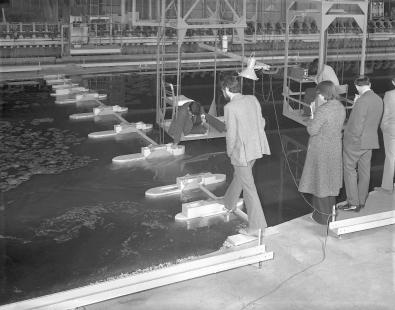
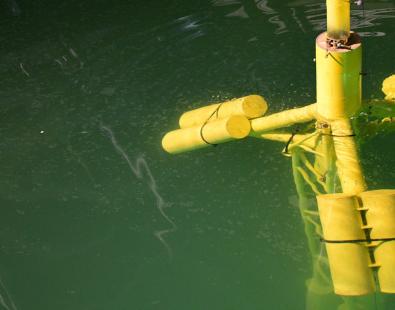
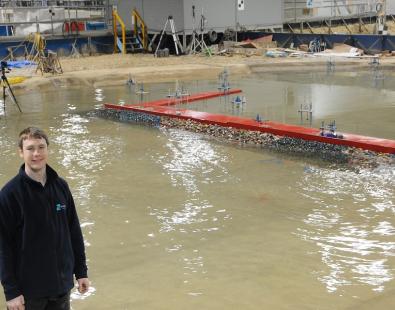
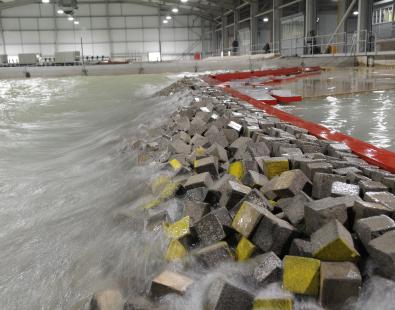
Employing physical and computational modelling can lead to better outcomes when assessing the full range of hydraulic and navigational aspects of port, harbour and marine terminal development.
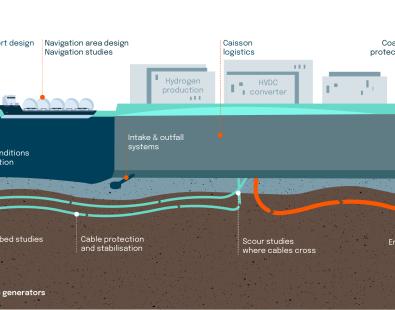
Many questions can be addressed using state-of-the-art modelling to create better designs that can reduce costs and improve project sustainability. Are new coastal defences needed? Can new infrastructure be shown to perform effectively? How can ports define appropriate operational limits for safe manoeuvring, berthing and mooring? What dredging and disposal strategy is needed to achieve the required depths for production? What are the maintenance requirements? The list goes on.
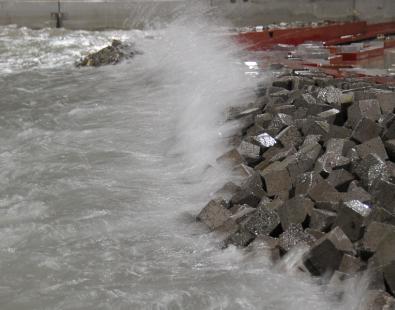
There are many examples of the benefits of modelling. For instance, optimising breakwater design can help avoid overdesign, which may reduce the volume of construction materials required and, in turn, lower both cost and embodied carbon. The same principle applies when designing quays to an appropriate height that balances flood resilience with efficient use of construction resources. In addition, modern modelling techniques can help optimise scour protection by combining data on soil conditions, sediment mobility, waves and currents to inform more proportionate design solutions.
It can also be highly beneficial for port users to test proposed schemes before construction using navigation simulation. At HR Wallingford, port pilots who use our ship simulator centre frequently comment on the value of the process.
Environmental impact assessments are a vital part of the planning process, and good data can help identify and mitigate the effects of new developments on coastal processes and water quality, while also ensuring that climate change is taken into account. It is also sometimes possible to incorporate natural and nature-based features to reduce the need for concrete in quayside and coastal protection design. Features such as dunes, sandscaping and mangroves can also provide wider benefits, including habitat creation, recreational value and, in some cases, carbon sequestration, helping to make port expansion a more sustainable option.
Effective modelling involves more than computer simulation alone. The results need to be interpreted by people with the expertise to provide sound advice and to work collaboratively with others across the offshore wind industry, including regulators, owners, operators, contractors and consultants.
All in all, there is a great deal to consider when preparing for quayside construction, but if ports seize the opportunity to expand, the potential benefits could be substantial. It is an exciting time for ports around the world to transform, so let us do it accurately and sustainably, while creating maximum benefit for society and our industry over the long term.
Get in touch
Helen Wilcox