Secondary nav 2022

  • Equipment
  • Software
  • Training

Main navigation 2022

  • About
    • About HR Wallingford
    • Our leadership
    • Our people
    • Our impact
      • Annual report & financial statements
      • Gender pay
      • Social impact
      • Sustainability
    • Our story
    • News
    • Insight articles
    • Policies
  • Projects
  • Expertise
    • Coastal & marine sustainability
      • Coastal hazards & resilience
      • Coastal morphology & sediment dynamics
      • Dredging and sediment management
      • Marine & coastal environment
      • Ports, harbours and shipping
      • Subsea engineering
      • Waterfronts, marinas and resorts
    • Energy transition
      • Fixed offshore wind
      • Floating offshore wind
      • Liquified gas & transition fuels
      • Nuclear
      • Wave, tidal, solar & hydropower
    • Water & climate resilience
      • Dams & reservoirs
      • Freshwater environment
      • Integrated flood management
      • Surface water systems
      • Water management for climate resilient development
      • Water supply & drought resilience
  • Facilities
    • Explore our facilities
    • Ship simulation
      • Australia Ship Simulation Centre
      • UK Ship Simulation Centre
    • Physical modelling
      • Fast Flow Facility
      • Tsunami simulator
      • Volumetric flow flume
      • Wave basins
      • Wave flumes
      • Erosion rate measurement
      • Water rescue training
  • Careers
    • Careers overview
    • Working at HR Wallingford
    • Job opportunities
  • Contact
  • About
    • About HR Wallingford
    • Our leadership
    • Our people
    • Our impact
      • Annual report & financial statements
      • Gender pay
      • Social impact
      • Sustainability
    • Our story
    • News
    • Insight articles
    • Policies
  • Projects
  • Expertise
    • Coastal & marine sustainability
      • Coastal hazards & resilience
      • Coastal morphology & sediment dynamics
      • Dredging and sediment management
      • Marine & coastal environment
      • Ports, harbours and shipping
      • Subsea engineering
      • Waterfronts, marinas and resorts
    • Energy transition
      • Fixed offshore wind
      • Floating offshore wind
      • Liquified gas & transition fuels
      • Nuclear
      • Wave, tidal, solar & hydropower
    • Water & climate resilience
      • Dams & reservoirs
      • Freshwater environment
      • Integrated flood management
      • Surface water systems
      • Water management for climate resilient development
      • Water supply & drought resilience
  • Facilities
    • Explore our facilities
    • Ship simulation
      • Australia Ship Simulation Centre
      • UK Ship Simulation Centre
    • Physical modelling
      • Fast Flow Facility
      • Tsunami simulator
      • Volumetric flow flume
      • Wave basins
      • Wave flumes
      • Erosion rate measurement
      • Water rescue training
  • Careers
    • Careers overview
    • Working at HR Wallingford
    • Job opportunities
  • Contact
  1. Home >
  2. Projects >
  3. CCRA, the UK's first climate change assessment
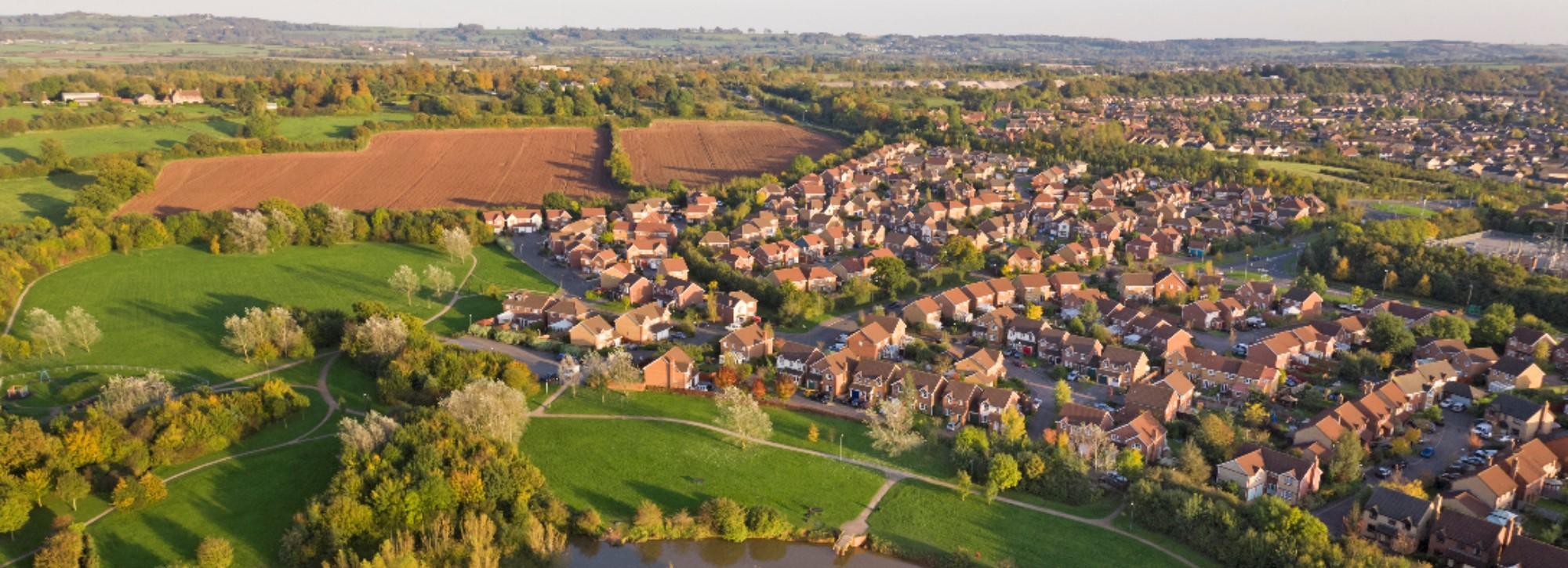
CCRA, the UK's first climate change assessment

Share

HR Wallingford led pioneering work for the UK Government to assess climate change related risks up to the year 2100. The Climate Change Risk Assessment (CCRA), for the first time, presents a comparison of a wide range of climate change risks based on their economic, social and environmental consequences.

Under the Climate Change Act 2008 there is a requirement for the UK Government to carry out an assessment of the risks to the UK of the current and future climate up to the year 2100. HR Wallingford led a large team of experts covering science, economics, stakeholder engagement and communications to produce the assessment on behalf of the UK Government.

Putting in place a pioneering approach

As this was the first assessment of its kind anywhere in the world, a major aspect of the project was to develop a method and seek wide-spread agreement on the risks that needed to be considered. This required the management of a large consortium, to capture a wide range of technical expertise, along with an extensive programme of stakeholder engagement.

The project helped the UK government to:

  • Identify and characterise the impacts of climate change for 11 sectors:
    • health
    • energy
    • transport
    • built environment
    • business, industry and services
    • agriculture
    • forestry
    • water
    • floods and coastal erosion
    • marine and fisheries
    • biodiversity and ecosystem services
  • Assess current vulnerability of the different sectors including a consideration of current policies, social vulnerability and adaptive capacity
  • Assess the current and future risks for the 11 sectors, using the latest available climate and population projections for the UK
  • Assess the current and future risks for the Devolved Administrations (Scotland, Wales and Northern Ireland), as well as the UK as a whole
  • Provide estimated economic costs of the potential consequences of climate change where possible
  • Produce a suite of reports to meet different stakeholders’ requirements.

The project was started in September 2010 and was completed in the spring of 2012. The main Evidence Report on the risks faced by the United Kingdom was laid before Parliament by the Secretary of State for Defra (Department for Environment, Food and Rural Affairs) on 25 January 2012, as required under the Climate Change Act.

Delivering a range of outputs

There was an extensive range of outputs from the project, many of which were peer reviewed by experts in the UK and overseas. These can be accessed from Defra's website and directly from HR Wallingford's website.

Project key data

Country: United Kingdom

Client: Defra

Value: £ 3.5 million

Type: Consultancy

Status: Complete

Get in touch

Bridget Woods-Ballard
Technical Director
Contact Profile

Explore more

  • All
  • Project
  • Expertise
  • News
  • Insight
  • Facility

Garden demonstrating flood resilience opens in our business park

SuDS feature in front of building in Howbery Park

Ofwat to support the new Rainwater Management Platform

National leakage centre scoped out

View of Fast Flow Facilities, where tsunamis are being recreated a scale

New film released – Tsunamis: towards the next breakthrough

People with John Compton dam

Project to ensure future water security for Saint Lucia

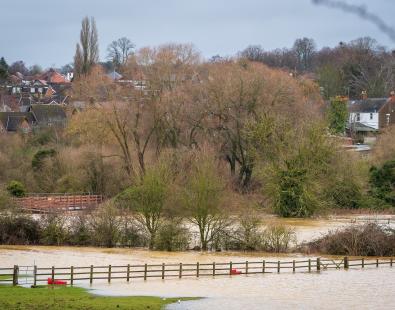
flooded river in Northampton village after heavy rains

Northamptonshire project celebrated for Digital Excellence at the Flood & Coast Awards 2024

Manchester Prize selects Sapphire to help rivers sparkle

Manchester Prize selects Sapphire to help rivers sparkle

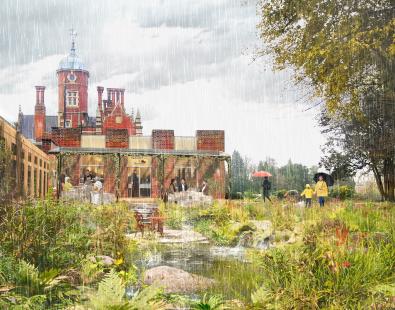
View of a flood resilient garden under rainy day

A flood resilient garden to support a changing climate

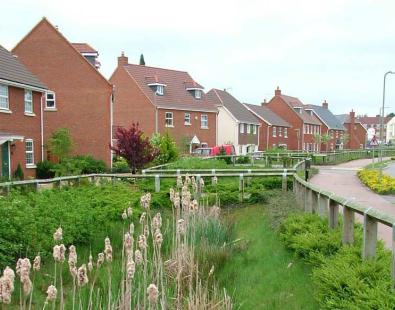
View of suds gardens in new housing developments

OFWAT Innovation Fund will help SuDS sink in

Artistic view of the Flood resilient garden rain

Chelsea’s Flood Resilient Garden to take root at HR Wallingford

View of flooded area after breach of dam Kakhovka, Ukraine

Rapid study of Kakhovka Dam breach impacts will support biodiversity’s recovery

We are global leaders and independent experts in how to live and work sustainably with water

Social media

  • BlueSky
  • LinkedIn
  • YouTube

Expertise

  • Coastal & marine
  • Energy transition
  • Water & climate
  • Software solutions
  • Equipment & technology

Company

  • About
  • Careers
  • News
  • Insights
  • Sustainability

Legal

  • Privacy & data protection
  • Policies
  • Modern slavery statement
  • Terms & conditions
  • Sitemap
© 2026 HR Wallingford
Contact