Secondary nav 2022

  • Equipment
  • Software
  • Training

Main navigation 2022

  • About
    • About HR Wallingford
    • Our leadership
    • Our people
    • Our impact
      • Annual report & financial statements
      • Gender pay
      • Social impact
      • Sustainability
    • Our story
    • News
    • Insight articles
    • Policies
  • Projects
  • Expertise
    • Coastal & marine sustainability
      • Coastal hazards & resilience
      • Coastal morphology & sediment dynamics
      • Dredging and sediment management
      • Marine & coastal environment
      • Ports, harbours and shipping
      • Subsea engineering
      • Waterfronts, marinas and resorts
    • Energy transition
      • Fixed offshore wind
      • Floating offshore wind
      • Liquified gas & transition fuels
      • Nuclear
      • Wave, tidal, solar & hydropower
    • Water & climate resilience
      • Dams & reservoirs
      • Freshwater environment
      • Integrated flood management
      • Surface water systems
      • Water management for climate resilient development
      • Water supply & drought resilience
  • Facilities
    • Explore our facilities
    • Ship simulation
      • Australia Ship Simulation Centre
      • UK Ship Simulation Centre
    • Physical modelling
      • Fast Flow Facility
      • Tsunami simulator
      • Volumetric flow flume
      • Wave basins
      • Wave flumes
      • Erosion rate measurement
      • Water rescue training
  • Careers
    • Careers overview
    • Working at HR Wallingford
    • Job opportunities
  • Contact
  • About
    • About HR Wallingford
    • Our leadership
    • Our people
    • Our impact
      • Annual report & financial statements
      • Gender pay
      • Social impact
      • Sustainability
    • Our story
    • News
    • Insight articles
    • Policies
  • Projects
  • Expertise
    • Coastal & marine sustainability
      • Coastal hazards & resilience
      • Coastal morphology & sediment dynamics
      • Dredging and sediment management
      • Marine & coastal environment
      • Ports, harbours and shipping
      • Subsea engineering
      • Waterfronts, marinas and resorts
    • Energy transition
      • Fixed offshore wind
      • Floating offshore wind
      • Liquified gas & transition fuels
      • Nuclear
      • Wave, tidal, solar & hydropower
    • Water & climate resilience
      • Dams & reservoirs
      • Freshwater environment
      • Integrated flood management
      • Surface water systems
      • Water management for climate resilient development
      • Water supply & drought resilience
  • Facilities
    • Explore our facilities
    • Ship simulation
      • Australia Ship Simulation Centre
      • UK Ship Simulation Centre
    • Physical modelling
      • Fast Flow Facility
      • Tsunami simulator
      • Volumetric flow flume
      • Wave basins
      • Wave flumes
      • Erosion rate measurement
      • Water rescue training
  • Careers
    • Careers overview
    • Working at HR Wallingford
    • Job opportunities
  • Contact
  1. Home >
  2. Projects >
  3. International Guidelines on Natural and Nature-based Features for Flood Risk Management

International Guidelines on Natural and Nature-based Features for Flood Risk Management

Share
View of sand dune with grass

As climate change accelerates and extreme weather become more frequent, communities around the world are re-evaluating how they manage flood risk. Traditional "grey" infrastructure - like concrete levees and floodwalls - has long been the default. But these solutions often come with high costs, limited adaptability, and negative environmental impacts. HR Wallingford was part of a global initiative that is changing that narrative.

A global guide to working with nature

The International Guidelines on Natural and Nature-Based Features for Flood Risk Management represent a major step forward in how we approach flood resilience. Developed by an international team led by the US Army Corps of Engineers’ Engineer Research and Development Center, the guidelines offer a comprehensive, science-based roadmap for designing and implementing nature-based solutions in both coastal and river environments.

These solutions include restoring wetlands, building oyster reefs, reforesting riverbanks, and other interventions that work with natural systems rather than against them.
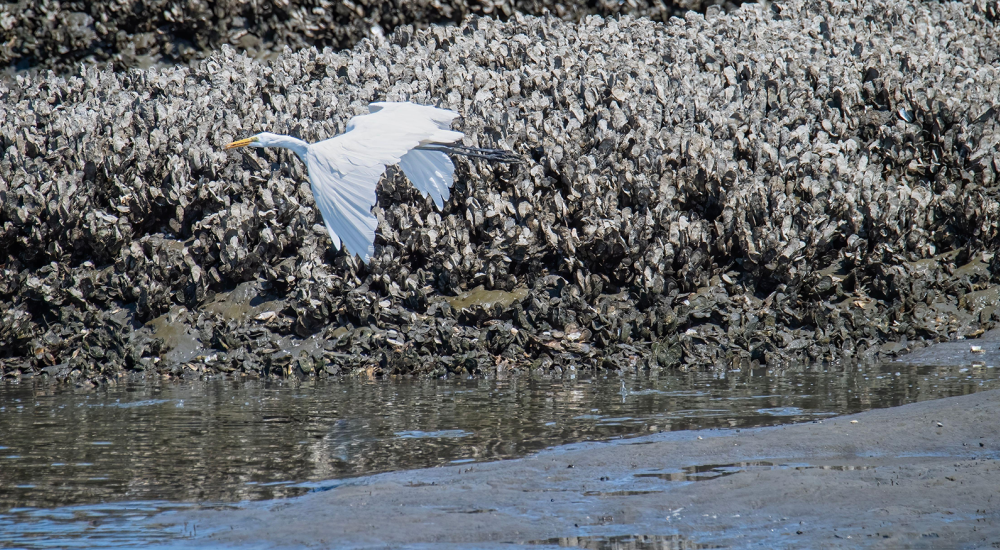
Flying great egret over oyster reef

Why it matters

Grey infrastructure alone can’t keep up with the scale and complexity of today’s flood risks. It’s expensive to maintain, often ecologically damaging, and lacks the flexibility to adapt to changing conditions. In contrast, natural and nature-based features (NNBF) offer multiple benefits:

  • Long-term risk reduction through adaptive, self-sustaining systems
  • Enhanced biodiversity and ecosystem services
  • Lower maintenance costs over time
  • Increased community resilience and co-benefits like recreation and water quality

These guidelines fill a critical gap by consolidating global knowledge and best practices into one accessible resource. They’re designed to help engineers, planners, and decision-makers integrate NNBF into flood risk management strategies from the ground up.

Our role in shaping the future

As part of the editorial board, we played a key role in shaping the guidelines - co-leading the chapters on performance metrics and frameworks and contributing to the sections on riverine systems. Our work ensures that the guidance is not only scientifically rigorous but also practical and actionable for real-world application.

A tool for transformation

The guidelines are already influencing how governments, organisations, and communities think about infrastructure. By recognising the value of nature in reducing flood risk, they’re helping to shift investment toward more sustainable, resilient, and cost-effective solutions.
 

Want to know more?

Download the full guidelines

Contact our project lead

Marta Roca Collell

Principal Engineer
Contact Profile

Explore more

  • All
  • Project
  • Expertise
  • News
  • Insight
  • Facility
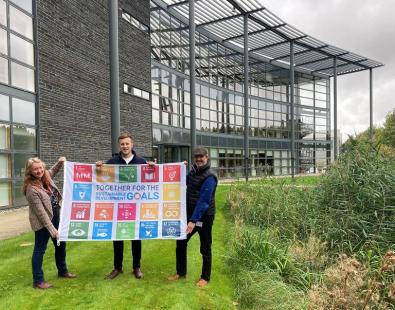
Three people holding SDG flag in front of office building in Howbery Park, Oxfordshire

Flag raised in support of UN Sustainable Development Goals

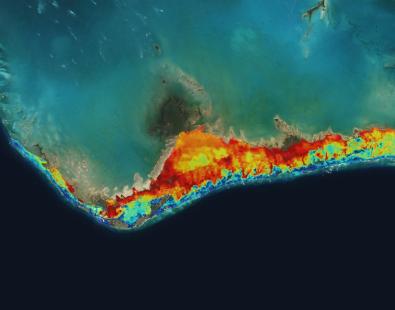
Screenshot of Bahamas Storm Surge Atlas

Storm Surge Atlas brings hope to hurricane-hit islands

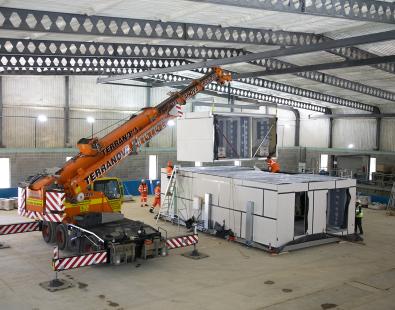
Testing the Hadley FloodSAFE house in our flood testing facilities

Innovative FloodSafe house moves in

Flood protection approach draws on statistical method from medicine

Picture of a satellite in space around the Earth

Space data to secure vital healthcare supply chains

Report encourages ports to act soon on climate adaptation

Close up of someone's hands under rain in yellow raincoat

New directory to promote UK’s water resilience capabilities worldwide

Innovative tsunami generator forces building guidance rethink

Plastic waste by a river

Predicting plastic pathways in the Thames and beyond

screenshot of tropical cyclone numerical modelling

Tracking tropical cyclones to improve risk assessment

Partnering in a new centre to help bridge the flooding skills gap

view of a flooded street in UNICEF country

Developing new tools to build climate change resilience into WASH

We are global leaders and independent experts in how to live and work sustainably with water

Social media

  • BlueSky
  • LinkedIn
  • YouTube

Expertise

  • Coastal & marine
  • Energy transition
  • Water & climate
  • Software solutions
  • Equipment & technology

Company

  • About
  • Careers
  • News
  • Insights
  • Sustainability

Legal

  • Privacy & data protection
  • Policies
  • Modern slavery statement
  • Terms & conditions
  • Sitemap
© 2026 HR Wallingford
Contact