Secondary nav 2022

  • Equipment
  • Software
  • Training

Main navigation 2022

  • About
    • About HR Wallingford
    • Our leadership
    • Our people
    • Our impact
      • Annual report & financial statements
      • Gender pay
      • Social impact
      • Sustainability
    • Our story
    • News
    • Insight articles
    • Policies
  • Projects
  • Expertise
    • Coastal & marine sustainability
      • Coastal hazards & resilience
      • Coastal morphology & sediment dynamics
      • Dredging and sediment management
      • Marine & coastal environment
      • Ports, harbours and shipping
      • Subsea engineering
      • Waterfronts, marinas and resorts
    • Energy transition
      • Fixed offshore wind
      • Floating offshore wind
      • Liquified gas & transition fuels
      • Nuclear
      • Wave, tidal, solar & hydropower
    • Water & climate resilience
      • Dams & reservoirs
      • Freshwater environment
      • Integrated flood management
      • Surface water systems
      • Water management for climate resilient development
      • Water supply & drought resilience
  • Facilities
    • Explore our facilities
    • Ship simulation
      • Australia Ship Simulation Centre
      • UK Ship Simulation Centre
    • Physical modelling
      • Fast Flow Facility
      • Tsunami simulator
      • Volumetric flow flume
      • Wave basins
      • Wave flumes
      • Erosion rate measurement
      • Water rescue training
  • Careers
    • Careers overview
    • Working at HR Wallingford
    • Job opportunities
  • Contact
  • About
    • About HR Wallingford
    • Our leadership
    • Our people
    • Our impact
      • Annual report & financial statements
      • Gender pay
      • Social impact
      • Sustainability
    • Our story
    • News
    • Insight articles
    • Policies
  • Projects
  • Expertise
    • Coastal & marine sustainability
      • Coastal hazards & resilience
      • Coastal morphology & sediment dynamics
      • Dredging and sediment management
      • Marine & coastal environment
      • Ports, harbours and shipping
      • Subsea engineering
      • Waterfronts, marinas and resorts
    • Energy transition
      • Fixed offshore wind
      • Floating offshore wind
      • Liquified gas & transition fuels
      • Nuclear
      • Wave, tidal, solar & hydropower
    • Water & climate resilience
      • Dams & reservoirs
      • Freshwater environment
      • Integrated flood management
      • Surface water systems
      • Water management for climate resilient development
      • Water supply & drought resilience
  • Facilities
    • Explore our facilities
    • Ship simulation
      • Australia Ship Simulation Centre
      • UK Ship Simulation Centre
    • Physical modelling
      • Fast Flow Facility
      • Tsunami simulator
      • Volumetric flow flume
      • Wave basins
      • Wave flumes
      • Erosion rate measurement
      • Water rescue training
  • Careers
    • Careers overview
    • Working at HR Wallingford
    • Job opportunities
  • Contact
  1. Home >
  2. Equipment & Technology >
  3. Force measuring equipment and dynamometers
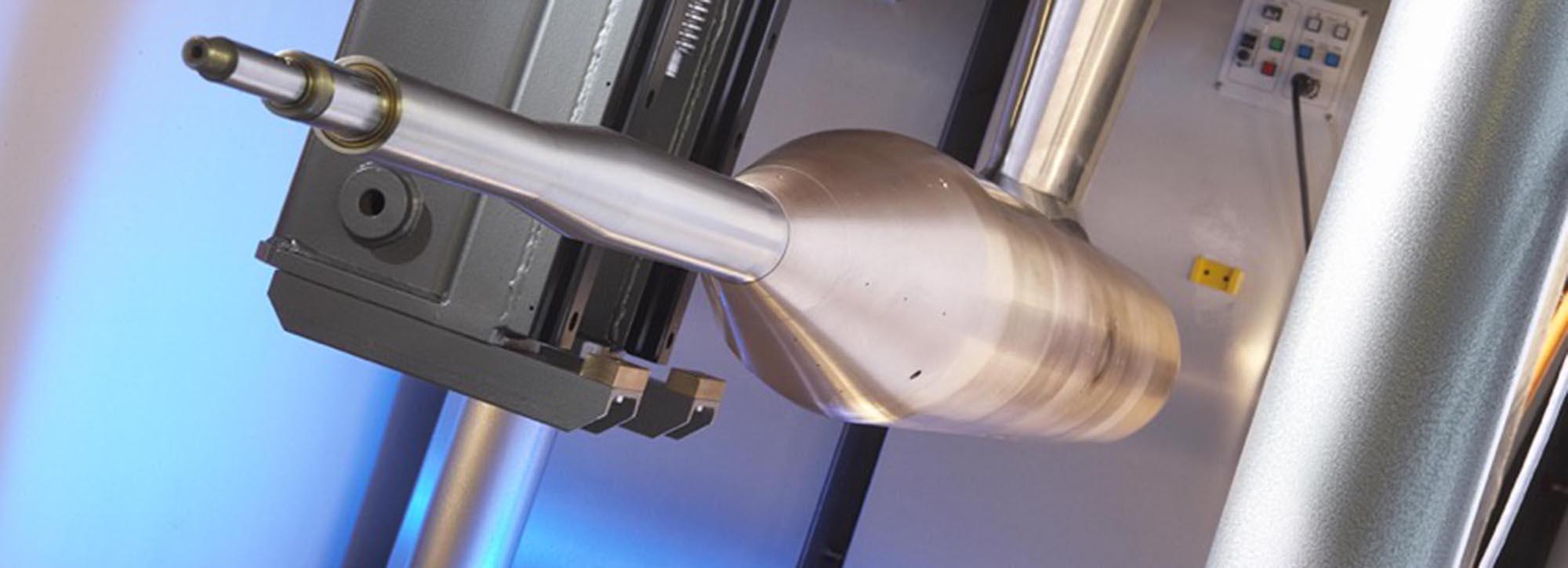
Force measuring equipment and dynamometers

Share
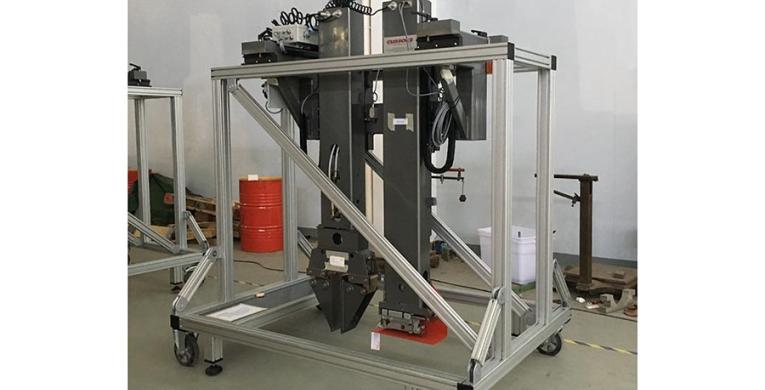
Close up on a force measurement equipment

Our force measuring equipment builds on the legacy of Kempf and Remmers technology, and is trusted by marine hydrodynamic research laboratories, universities and educational institutions the world over.

Our precision dynamometers and force measuring balances and our equipment is highly respected by the International Towing Tank Conference (ITTC) community. Our users trust our equipment to consistently perform on the scale model test carried out in marine research facilities, from towing tanks, sea-keeping and manoeuvring basins and ice tanks, to cavitation tunnels and circulating water channels.

For full details of our range please visit EquipIT, our specialist instrumentation website, or feel free to contact us directly.

Our comprehensive range of force measuring equipment

  • Resistance dynamometers, model clamping and guiding arms
  • Open water propeller dynamometers
  • Self-propulsion dynamometers
  • Podded propeller dynamometers
  • Rudder and appendage force and moment balances 
  • Surface or underwater model force measuring balance
  • Wake survey equipment
resistance dynamometer on stand

Resistance dynamometers

We supply resistance dynamometers for captive model tests in towing tanks, basins and flumes; they can be used in both calm water and waves. We supply complementary model clamping systems and guiding and measuring equipment.
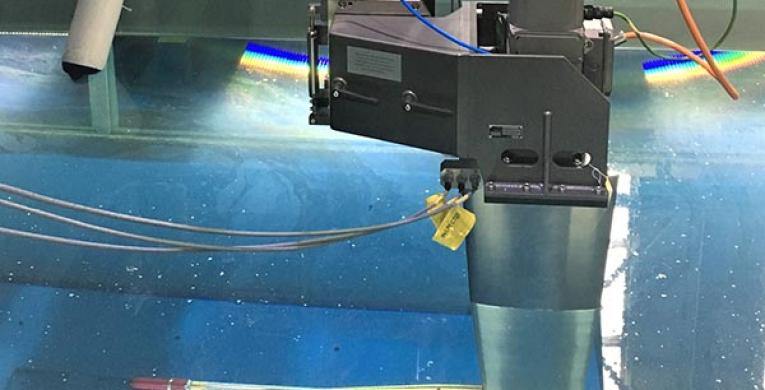
Open water propeller dynamometer

The crucial model test for a propeller design is to measure its thrust and torque in open water, where it is not subject to wake and pressure variation from the ship’s hull and rudders. Our open water dynamometers are used to assess propeller performance in tanks and tunnels around the world. 

We supply traditional single screw, contra-rotating and azimuth pod dynamometers. As the principles involved are similar, our dynamometers can also be used to test tidal turbines for marine hydropower energy schemes.
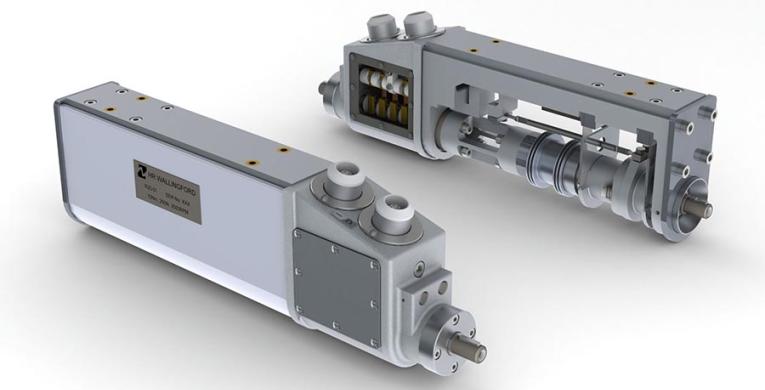
Self-propulsion dynamometers

Self-propulsion dynamometers measure the torque and thrust of a propeller when it is installed in a scaled model. Our non watertight units are used to test self-propelled dry models on the tank surface. The water and pressure-tight units can be installed in flooded models, including those that are underwater, e.g. submarines, AUV or ROVs.

In 2014 the International Maritime Organization (IMO) introduced guidance to help the commercial shipping industry reduce its impact on marine life. Their aim was to reduce the noise created by propellers and propeller cavitation. Marine researchers have relied on our non-contact low noise propeller dynamometers for more than 15 years and they are a critical tool in the drive to address the impact of noise on the marine environment. With many advantages over the traditional slip-ring units, our precision units are built on Kempf and Remmers loadcells and design philosophies.

Shaun Ross, HR Wallingford

Podded propeller dynamometers

Our pod propulsion units are suitable for open water, self-propulsion as well as azimuth test application in tanks and tunnels. They can be combined with a three-component force balance to comply with ITTC recommend procedures.

Rudder and appendage force measurement

To complement our range of propeller dynamometers, we provide a range of force measurement balances in single or multi-component variants. They are used in tanks or flooded model tunnels to test and measure the drag, lift and torque of rudders, pod units, stabiliser fins or foils.

Surface and underwater model force measuring balances

Our multi-component balances build on established Kempf and Remmers designs, and have a proven track record in captive model testing.

Wake survey equipment

Our range of wake measuring instruments are used to measure the wake fields entering the propeller position. These can be used in multi-facilities or vessels from surface to underwater models.

Want to know more?

Visit our EquipIT website

Get in touch

Shaun Ross

Business Development Manager
Contact

Explore more

  • All
  • Project
  • Expertise
  • News
  • Insight
  • Facility
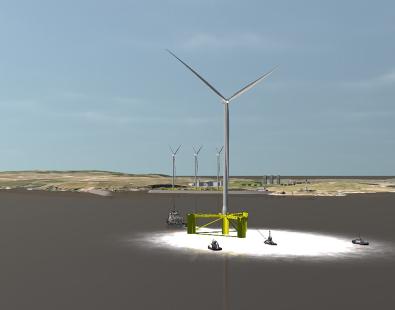
screenshot of computer image of floating wind turbine in sea

Partnership to investigate floating wind turbine offshore storage areas

KOTUG runs first Mates-to-Masters Courses in Australia using our tug simulators

Thame Tideway Ship navigation study

Our simulators prepared crews for ‘super sewer’ project

Screenshot of a ship in SHIPMOOR software

Ground-breaking mooring tool launched in partnership with Witherbys

Report encourages ports to act soon on climate adaptation

DUKC® integrated into ship simulation system

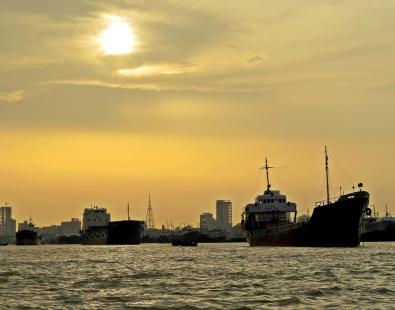
HR Wallingford to help Chittagong welcome larger vessels

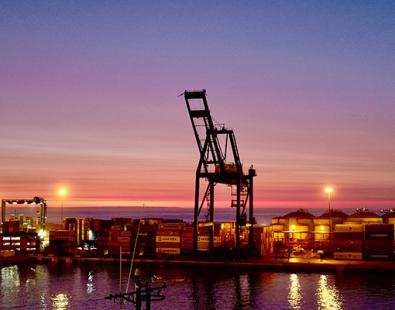
Expansion of port of San Antonio in Chile

Large model work for San Antonio breakwater summed up

Team tests options to extend Belgian breakwater

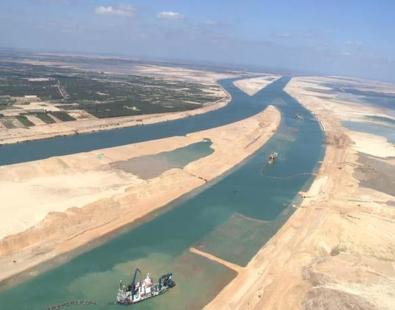
The Suez Canal, one of the world’s most heavily used shipping lanes.

Suez Canal to channel leading-edge research to stay at the max

view of coastal model of the beach in Nigeria

State-of-the-art modelling for Nigerian coast

Corsica considers results from 6km coastline model

We are global leaders and independent experts in how to live and work sustainably with water

Social media

  • BlueSky
  • LinkedIn
  • YouTube

Expertise

  • Coastal & marine
  • Energy transition
  • Water & climate
  • Software solutions
  • Equipment & technology

Company

  • About
  • Careers
  • News
  • Insights
  • Sustainability

Legal

  • Privacy & data protection
  • Policies
  • Modern slavery statement
  • Terms & conditions
  • Sitemap
© 2026 HR Wallingford
Contact