Wave, tidal, solar & hydro power
Reliable evidence is essential to deliver low‑carbon energy systems that perform. While wind is the most common form of renewable energy, we also support developers, utilities and investors across wave, tidal, solar and hydropower with integrated engineering, environmental insight and world‑leading modelling. Our teams help clients understand resource conditions, optimise layouts, reduce operational risk and design climate‑ready assets. From concept to operation, we provide the clarity needed to build resilient renewable energy projects that work for people, nature and long‑term investment.
Wave energy: managing loads, performance and survivability
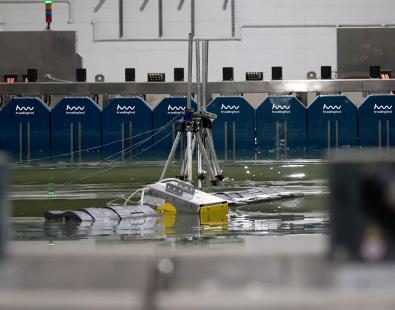
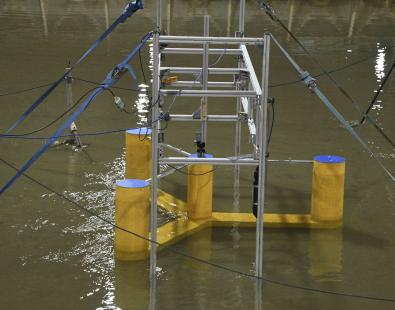
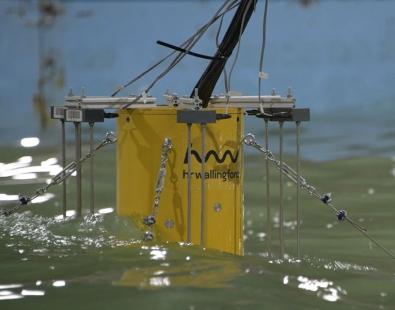
Wave projects face uncertainties in extreme conditions, device loads and array interactions. Our people use advanced metocean analysis, physical modelling and structural simulations to assess design loads, optimise layouts and improve survivability. We help clients understand operational windows, manage wave‑induced fatigue and de‑risk the transition from prototype to commercial deployment. This evidence supports safe construction, reliable generation and long‑term operational confidence.
Tidal flow: understanding flows, wakes and access
Tidal flow projects demand precise understanding of flow patterns, turbulence and wake effects that influence device yield and array efficiency. We use hydrodynamic modelling to inform siting, spacing and operability. Our work supports both fixed and floating tidal devices, addressing challenges such as scour, environmental interactions and maintenance access. The result is better design certainty and smoother, more predictable operations.
Tidal barrages: developing reliable marine infrastructure
We provide specialist support for tidal barrage development by characterising site-specific marine conditions, integrating environmental data with structural performance requirements, and optimising protection strategies. Our work includes assessing yield and how tidal barrages may influence hydrodynamics, sediment transport, storm flooding and water quality. We also advise developers and regulators throughout the consenting process and evaluate how extreme weather, erosion and long‑term coastal change could affect the stability and resilience of barrage infrastructure.
Solar energy: flood risk assessment for large‑scale, land‑based solar
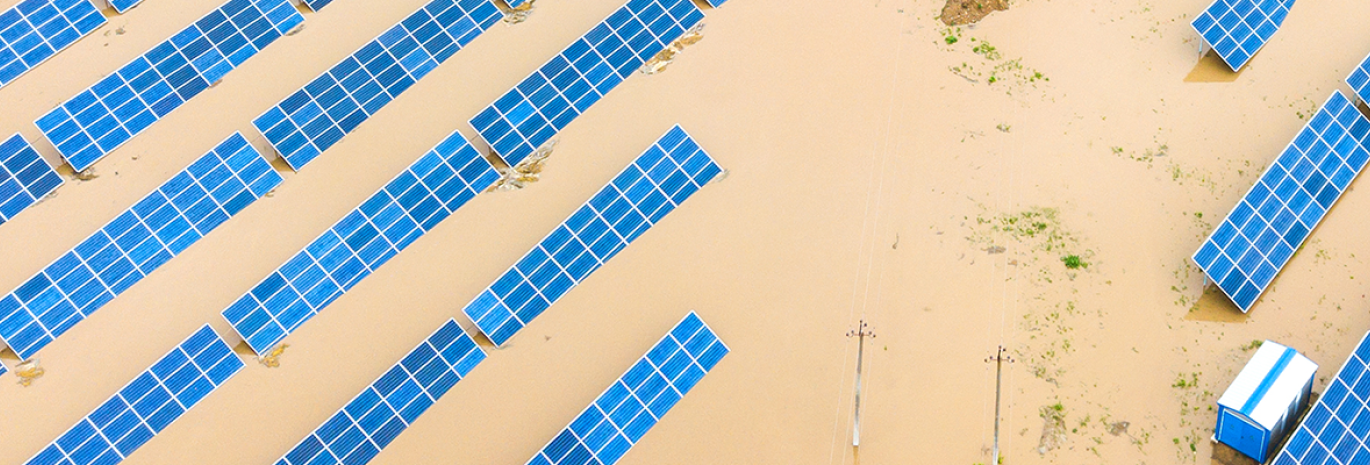
Large‑scale solar farms on land must be designed around changing flood risk, surface water flows and catchment behaviour. We assess fluvial, pluvial and groundwater flood hazards; model how panels and infrastructure interact with overland flow; and develop mitigation that protects assets and surrounding communities. Our evidence helps clients select viable sites, design resilient layouts and manage long‑term flood risk in a changing climate.
Hydropower: optimising flows, structures and environmental safety
Hydropower schemes rely on robust hydraulic design and a deep understanding of river and reservoir behaviour. We apply physical and numerical modelling to optimise intakes, spillways, outlets, fish passage and sediment management. Whether modernising existing assets or designing new ones, we help clients enhance reliability, safety and sustainability. We also advise developers and regulators to evaluate how extreme weather events, erosion and long‑term catchment change could affect the stability, safety and resilience of hydropower infrastructure.
Wind, wave, solar & hydropower expertise
Quantify waves, tides, flows, wind and water levels to support siting, yield estimation and load cases.
Simulate currents, wave loading and structural response for devices, arrays, intakes and floating systems.
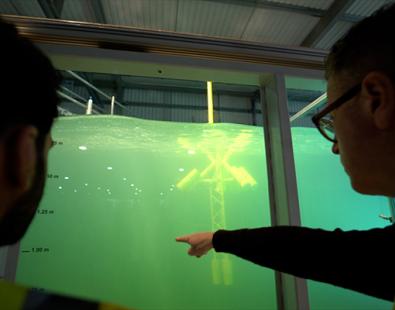
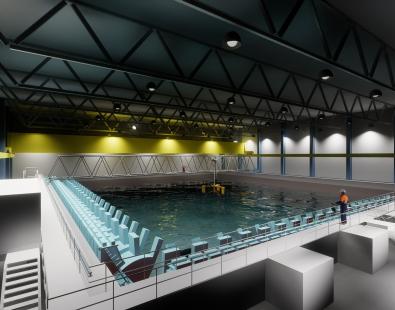
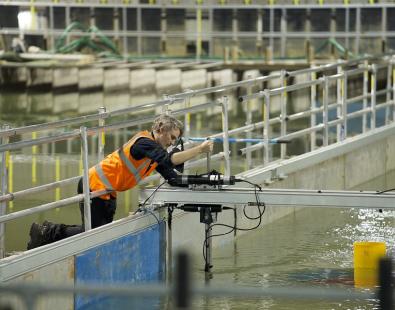
Test critical hydraulics, loads, moorings, overtopping and stability for devices, spillways and intakes.
Optimise spacing, wakes, energy capture, cable routing and access planning.
Assess weather windows, vessel limits and O&M strategies to reduce lifecycle risk and cost.
Evaluate fish passage, sediment, underwater noise, water quality and habitat effects to support mitigation and monitoring.
Model fluvial, pluvial and groundwater hazards and design mitigation for large scale energy infrastructure.
Develop and test hydraulic structures for efficiency, resilience and safety.
Model flow, sediment and morphology to support siting, scour protection and operational rules.
Predict erosion/deposition and designs protection for structures, cables and conveyance systems.
Test future scenarios and develop adaptive pathways for long term performance and compliance.
Use sensors, datasets and live models to support operations and decision making.
Get in touch
Iain Gunn