Secondary nav 2022

  • Equipment
  • Software
  • Training

Main navigation 2022

  • About
    • About HR Wallingford
    • Our leadership
    • Our people
    • Our impact
      • Annual report & financial statements
      • Gender pay
      • Social impact
      • Sustainability
    • Our story
    • News
    • Insight articles
    • Policies
  • Projects
  • Expertise
    • Coastal & marine sustainability
      • Coastal hazards & resilience
      • Coastal morphology & sediment dynamics
      • Dredging and sediment management
      • Marine & coastal environment
      • Ports, harbours and shipping
      • Subsea engineering
      • Waterfronts, marinas and resorts
    • Energy transition
      • Fixed offshore wind
      • Floating offshore wind
      • Liquified gas & transition fuels
      • Nuclear
      • Wave, tidal, solar & hydropower
    • Water & climate resilience
      • Dams & reservoirs
      • Freshwater environment
      • Integrated flood management
      • Surface water systems
      • Water management for climate resilient development
      • Water supply & drought resilience
  • Facilities
    • Explore our facilities
    • Ship simulation
      • Australia Ship Simulation Centre
      • UK Ship Simulation Centre
    • Physical modelling
      • Fast Flow Facility
      • Tsunami simulator
      • Volumetric flow flume
      • Wave basins
      • Wave flumes
      • Erosion rate measurement
      • Water rescue training
  • Careers
    • Careers overview
    • Working at HR Wallingford
    • Job opportunities
  • Contact
  • About
    • About HR Wallingford
    • Our leadership
    • Our people
    • Our impact
      • Annual report & financial statements
      • Gender pay
      • Social impact
      • Sustainability
    • Our story
    • News
    • Insight articles
    • Policies
  • Projects
  • Expertise
    • Coastal & marine sustainability
      • Coastal hazards & resilience
      • Coastal morphology & sediment dynamics
      • Dredging and sediment management
      • Marine & coastal environment
      • Ports, harbours and shipping
      • Subsea engineering
      • Waterfronts, marinas and resorts
    • Energy transition
      • Fixed offshore wind
      • Floating offshore wind
      • Liquified gas & transition fuels
      • Nuclear
      • Wave, tidal, solar & hydropower
    • Water & climate resilience
      • Dams & reservoirs
      • Freshwater environment
      • Integrated flood management
      • Surface water systems
      • Water management for climate resilient development
      • Water supply & drought resilience
  • Facilities
    • Explore our facilities
    • Ship simulation
      • Australia Ship Simulation Centre
      • UK Ship Simulation Centre
    • Physical modelling
      • Fast Flow Facility
      • Tsunami simulator
      • Volumetric flow flume
      • Wave basins
      • Wave flumes
      • Erosion rate measurement
      • Water rescue training
  • Careers
    • Careers overview
    • Working at HR Wallingford
    • Job opportunities
  • Contact
  1. Home >
  2. Projects >
  3. Sizewell C cooling water system
Sizewell C cooling water system

Share

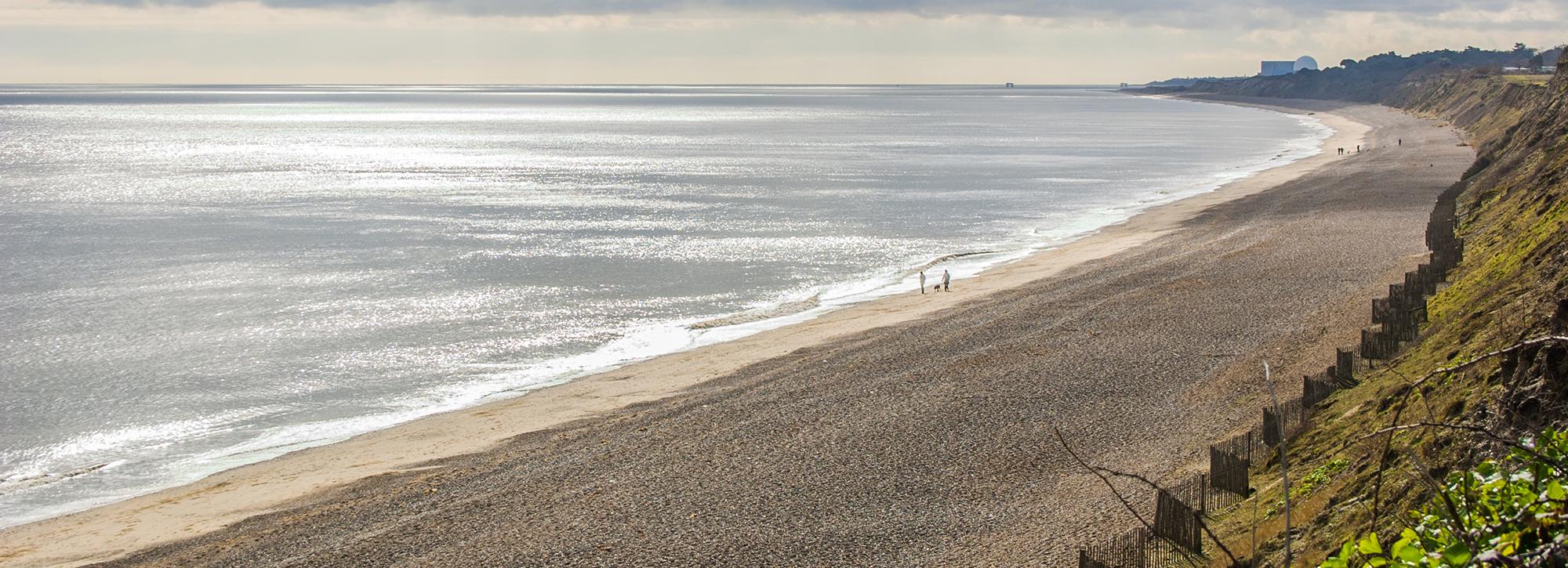
The new nuclear plant at Sizewell C, East Suffolk, has a key role to play in securing a low carbon future for the UK. It will power 6 million homes using two new generation European Pressurised Reactors. Our guidance has helped to optimise the design of the plant’s critical cooling water system.

Location
UK

Cooling water at Sizewell C will be drawn from the sea by four submerged intake heads, and released through two submerged outfall heads. These concrete structures are located on the seabed some three kilometres from the shore. 

HR Wallingford’s expertise in sedimentation, coastal hydraulics, computational fluid dynamics (CFD) and physical modelling underpinned the robust guidance we provided for the design of the cooling system. Our advice was used to:

  • optimise the layout of the intake head to help reduce the impact of the new structures on the local flow conditions, and therefore the local marine environment
  • address sedimentation inside the cooling system to help design a resilient hydraulic system that considers the risks of increased head loss and needs for maintenance
  • deliver valuable wave pressure and force data that will ensure a vigorous structural design of the intake and outfall submerged heads
  • ensure the stability of foundations by testing the seabed scour protection
  • minimise air entrainment and related risks in the outfall tunnel through optimisation of the outfall structure design. 
     

Investigations indepth

Sizewell is exposed to waves generated across the North Sea and Atlantic Ocean. HR Wallingford carried out a joint probability and wave transformation study using UK Met Office offshore data to derive extreme wave heights and water levels at the location of the intake and outfall heads; these informed the engineering design of the structures. 

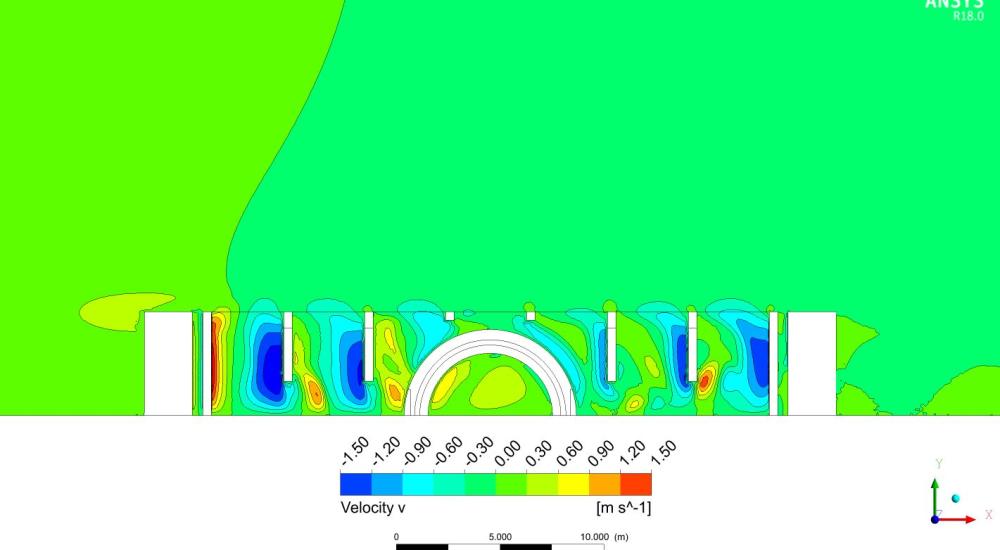
Using advanced CFD models, our team explored flows around 10 different intake head designs and identified the best design option in terms of head losses, flow distribution and side-entry velocities. 
We identified areas where sediment was deposited in the intake and in the pumping station forebay onshore to support the siltation assessment for the cooling system. 

We developed a 1:40 scale physical model of the seawater intake and outfall and tested them in the 1:100 year and 1:10,000 year return period storms. We measured wave loads on the heads and on internal walls of the seawater intake, as well as pressures; these were used to calibrate the twin OpenFOAM CFD model. The 3D pressure maps from the CFD model were used directly in our client’s structural analysis software. We also used the physical models to check the stability of the scour rock protection to be placed on the seabed around the heads. 

We built a 1:20 scale physical model of the outfall building, which collects all the spent cooling water before discharging it back to the sea via the outfall tunnel. The design of the weir and the entrance to the drop shaft were modelled under normal operation and maintenance flow rates to assess the hydraulic performance and the risks of air entrainment into the outfall system. 

Contact our project lead

Iain Gunn
Sector Lead – Energy
Contact Profile

Explore more

  • All
  • Project
  • Expertise
  • News
  • Insight
  • Facility
View of a pilot in front of two computer screens

Richer data helps Thames pilots plan safer passages

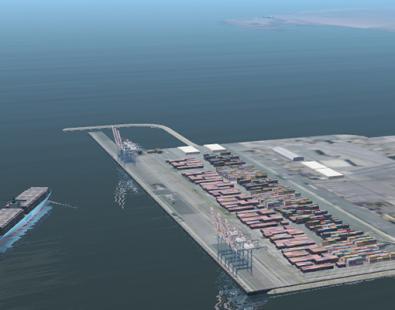
View of Port Quasim

Facilitating the growth of Port Qasim

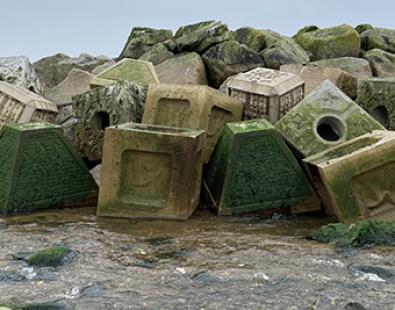
Greening coastal infrastructure

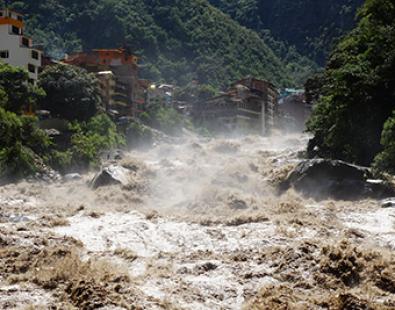
River floods in city in Peru, South America

Early warning system helps Peru build back better

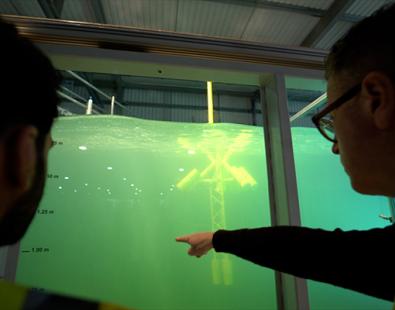
View of the Stinger Keel model in HR Wallingford's Fast Flow Facility

Floating wind design: analysing deep sea challenges for the Stinger Keel

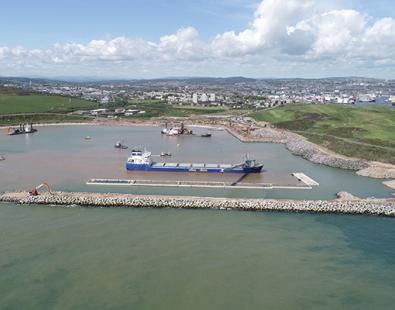
aerial view of Aberdeen port - courtesy of Aberdeen Harbour Board.

Aberdeen South Harbour: a project of national significance

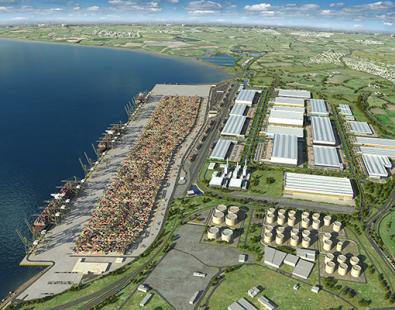
aerial view of London Gateway Port

London Gateway Port

Developing a mega port for Kuwait

Thames Tideway Tunnel: a super sewer for London

Improving access to Mesaieed Port

Louvre Abu Dhabi

Thirty years working with the Port of Dover

We are global leaders and independent experts in how to live and work sustainably with water

Social media

  • BlueSky
  • LinkedIn
  • YouTube

Expertise

  • Coastal & marine
  • Energy transition
  • Water & climate
  • Software solutions
  • Equipment & technology

Company

  • About
  • Careers
  • News
  • Insights
  • Sustainability

Legal

  • Privacy & data protection
  • Policies
  • Modern slavery statement
  • Terms & conditions
  • Sitemap
© 2026 HR Wallingford
Contact