Freshwater environment
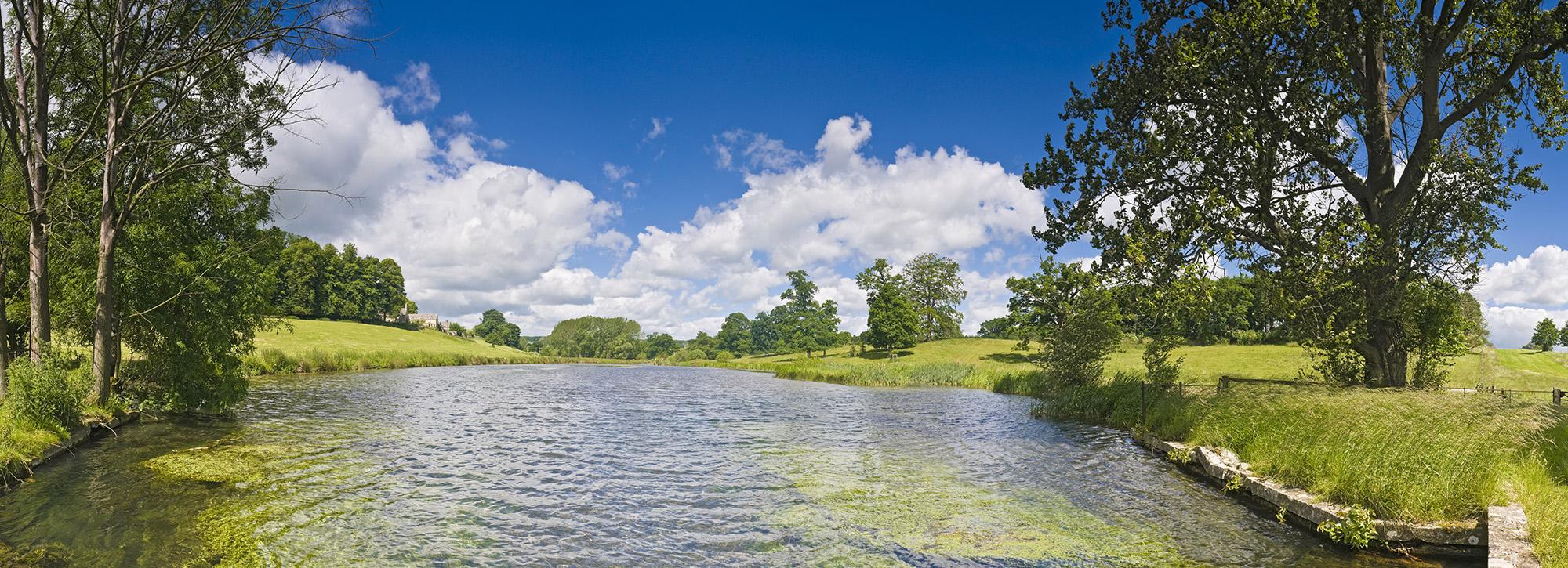
Freshwater systems support biodiversity, public health and water security, but face rising pressures from pollution, climate change and land‑use intensification. We help water companies, regulators and environmental organisations assess, restore and manage rivers, lakes and wetlands using robust science, modelling and monitoring. Our teams bring expertise in water quality, river morphology and sediment processes, designing green and nature‑based solutions that enhance habitats, meet WFD objectives and improve long‑term catchment resilience.
Climate and environmental pressures affecting freshwater systems
Freshwater environments are increasingly stressed by altered rainfall, drought, extreme storms and rising temperatures. These conditions drive changes in flow, sediment transport and nutrient cycling, while intensifying pollution from wastewater, agriculture and urban runoff. Many rivers and lakes are losing ecological function, affecting biodiversity, carbon storage, fisheries and the services communities depend on. Climate‑ready catchment management requires integrated understanding of flows, water quality, sediment behaviour and habitat condition.
Challenges in water quality, ecological health and sediment pressures
Organisations face nutrient enrichment, microbial contamination, toxic pollutants, fine sediment loading, habitat fragmentation and low‑flow stress. Water Framework Directive (WFD) compliance demands strong evidence on ecological status, pressures and pathways. River morphology and sediment processes further influence channel stability, habitat quality and erosion risk. Reliable decisions require robust data, modelling and clear interpretation of environmental behaviour across whole catchments.
How HR Wallingford supports better freshwater management
We integrate hydrology, water quality science, geomorphology, and sediment analysis to understand how freshwater systems function and respond to pressures. Our teams analyse pollution pathways, model flows and sediment transport, and identify opportunities for restoration. We design green and nature‑based infrastructure - including re‑meandering and floodplain reconnection - that reduce pollution, support species recovery and enhance resilience under future climates.
Evidence, pollution mitigation and working‑with‑nature restoration
Our modelling tools help clients evaluate pollution sources, and test effective mitigation strategies. By restoring natural processes and designing nature‑positive interventions, we help improve WFD status, strengthen habitat connectivity and support long‑term catchment health.
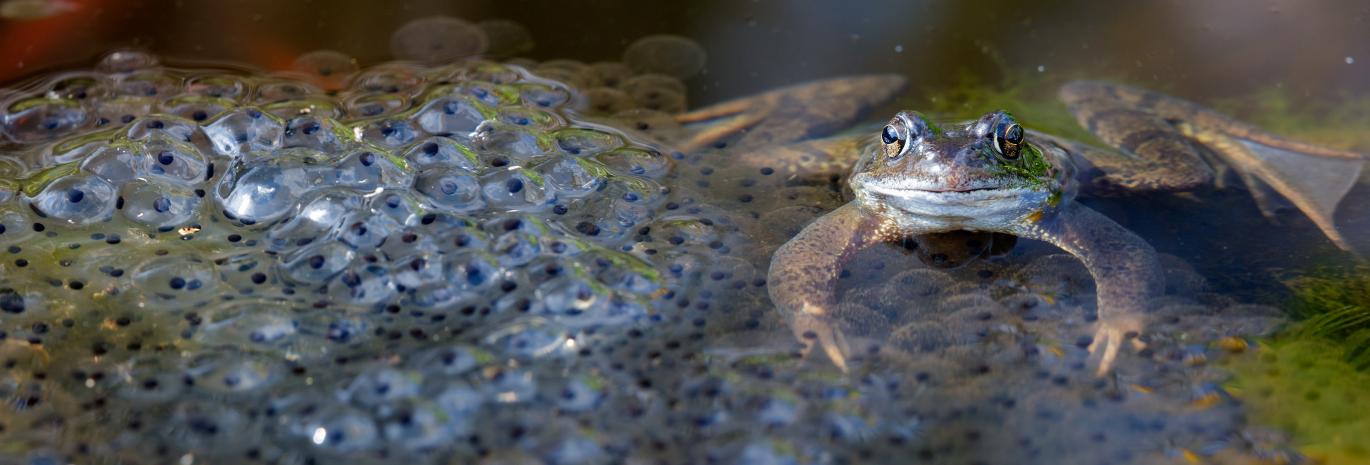
Freshwater environment expertise
Evaluate nutrients, pathogens, metals, sediments and pollution pathways.
Analyse erosion, deposition and channel evolution to guide sustainable river management.
Assess and design green solutions at different scales.
Assess flows, drought impacts and ecological flow needs across catchments.
Interpret status, identify pressures and support improvement planning.
Map sediment sources for targeted interventions.
Advice on use of sensors and remote sensing for robust environmental datasets.
Test future scenarios and develop strategies to protect ecological health.
Get in touch
Marta Roca Collell