Secondary nav 2022

  • Equipment
  • Software
  • Training

Main navigation 2022

  • About
    • About HR Wallingford
    • Our leadership
    • Our people
    • Our impact
      • Annual report & financial statements
      • Gender pay
      • Social impact
      • Sustainability
    • Our story
    • News
    • Insight articles
    • Policies
  • Projects
  • Expertise
    • Coastal & marine sustainability
      • Coastal hazards & resilience
      • Coastal morphology & sediment dynamics
      • Dredging and sediment management
      • Marine & coastal environment
      • Ports, harbours and shipping
      • Subsea engineering
      • Waterfronts, marinas and resorts
    • Energy transition
      • Fixed offshore wind
      • Floating offshore wind
      • Liquified gas & transition fuels
      • Nuclear
      • Wave, tidal, solar & hydropower
    • Water & climate resilience
      • Dams & reservoirs
      • Freshwater environment
      • Integrated flood management
      • Surface water systems
      • Water management for climate resilient development
      • Water supply & drought resilience
  • Facilities
    • Explore our facilities
    • Ship simulation
      • Australia Ship Simulation Centre
      • UK Ship Simulation Centre
    • Physical modelling
      • Fast Flow Facility
      • Tsunami simulator
      • Volumetric flow flume
      • Wave basins
      • Wave flumes
      • Erosion rate measurement
      • Water rescue training
  • Careers
    • Careers overview
    • Working at HR Wallingford
    • Job opportunities
  • Contact
  • About
    • About HR Wallingford
    • Our leadership
    • Our people
    • Our impact
      • Annual report & financial statements
      • Gender pay
      • Social impact
      • Sustainability
    • Our story
    • News
    • Insight articles
    • Policies
  • Projects
  • Expertise
    • Coastal & marine sustainability
      • Coastal hazards & resilience
      • Coastal morphology & sediment dynamics
      • Dredging and sediment management
      • Marine & coastal environment
      • Ports, harbours and shipping
      • Subsea engineering
      • Waterfronts, marinas and resorts
    • Energy transition
      • Fixed offshore wind
      • Floating offshore wind
      • Liquified gas & transition fuels
      • Nuclear
      • Wave, tidal, solar & hydropower
    • Water & climate resilience
      • Dams & reservoirs
      • Freshwater environment
      • Integrated flood management
      • Surface water systems
      • Water management for climate resilient development
      • Water supply & drought resilience
  • Facilities
    • Explore our facilities
    • Ship simulation
      • Australia Ship Simulation Centre
      • UK Ship Simulation Centre
    • Physical modelling
      • Fast Flow Facility
      • Tsunami simulator
      • Volumetric flow flume
      • Wave basins
      • Wave flumes
      • Erosion rate measurement
      • Water rescue training
  • Careers
    • Careers overview
    • Working at HR Wallingford
    • Job opportunities
  • Contact
  1. Home >
  2. Projects >
  3. Automating biodiversity impact assessments with Earth observation

Automating biodiversity impact assessments with Earth observation

Share

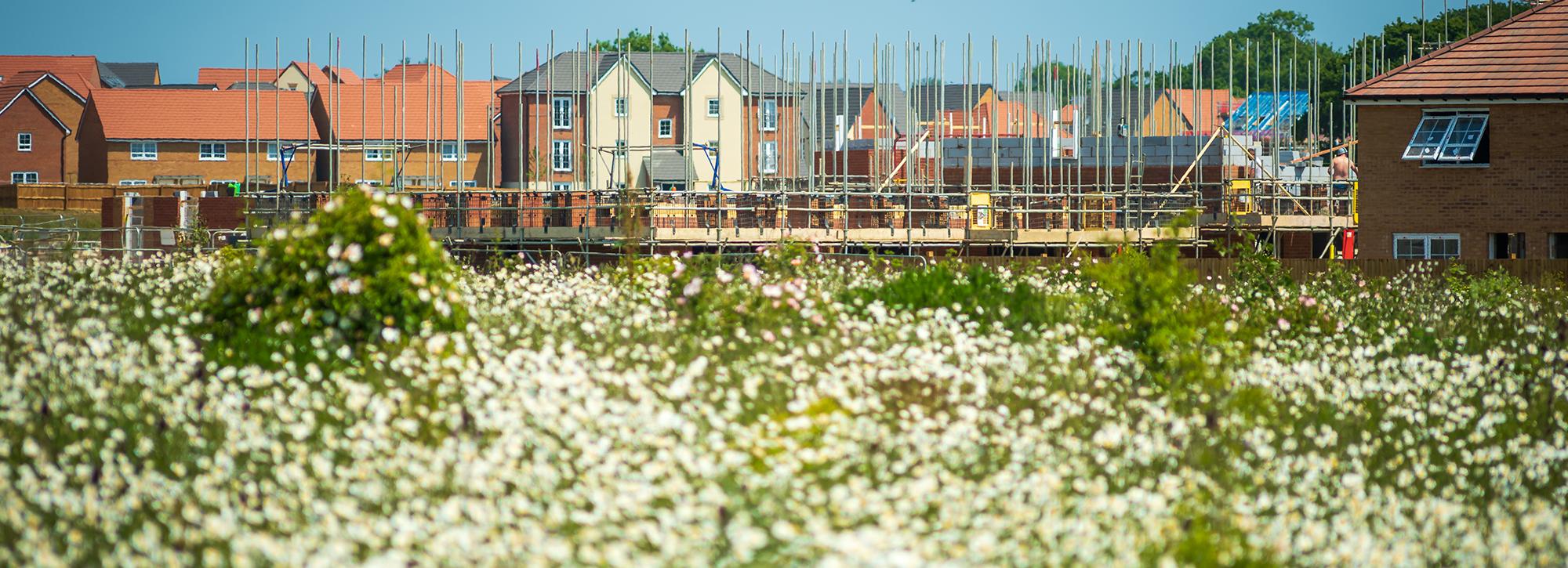
HR Wallingford is developing a groundbreaking new tool that will transform how biodiversity impacts are assessed in infrastructure development across the UK. EO4Biodiversity will help public bodies, companies, and infrastructure developers quickly and automatically assess how different development options affect biodiversity - saving time and money while enhancing the natural environment.

The importance of biodiversity

Biodiversity is essential for our food, water, health, and resilience to climate change. Governments in the UK and beyond now require new developments to not only protect biodiversity – but actively improve it. In the UK this means every project must, by law, deliver at least a 10% net gain in biodiversity. 

Real-world costs and complexity

To meet these requirements, developers must calculate the biodiversity value of habitats before and after construction using Standardised Biodiversity Units. However, for large infrastructure projects – like water supply schemes or housing developments – this process is currently slow, expensive, and highly manual. 

For example, in the last regional plan by our project partners, Water Resources South East (WRSE), over 4,000 scheme options had to be assessed. Manual biodiversity evaluations were estimated to cost £1.35 million (€1.6 million) – and this process must be repeated every five years.

Transforming biodiversity impact assessment

As part of a project funded by the European Space Agency, HR Wallingford is developing EO4Biodiversity – a web-based tool that uses Earth observation (EO) data and machine learning to automate biodiversity net gain (BNG) calculations. This innovation will help developers meet legal requirements more efficiently, while freeing up resources for better environmental outcomes.

The tool will automatically identify habitat types using satellite imagery and government-defined classifications, then calculate biodiversity values for different development scenarios. It will also include optimisation features to help planners select the most biodiversity-friendly designs.

Meeting stakeholder needs

EO4Biodiversity is being developed in collaboration with WRSE – a consortium of six water companies – and key stakeholders including the Environment Agency, Natural England, and local planning authorities. Their input ensures the tool is practical, effective, and aligned with regulatory standards.

Europe-wide benefits

While initially focused on the UK, EO4Biodiversity is being designed to support both UK BNG regulations and the EU’s Nature Restoration Law, making it applicable across Europe.

A game-changing approach

EO4Biodiversity is the first tool of its kind to automate biodiversity impact assessments using EO data in line with UK government standards. With no comparable solutions currently available, it fills a critical gap in environmental planning. The tool is expected to benefit a wide range of sectors – including water, energy, transport, and housing – all of which face growing pressure to meet biodiversity targets.

Supporting sustainable development

As governments and industries worldwide ramp up efforts to protect natural ecosystems, EO4Biodiversity offers a timely and innovative solution to one of the most urgent challenges in sustainable development.

Contact our project lead

Marta Roca Collell
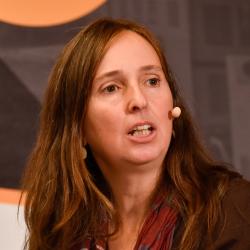
Principal Engineer
Contact Profile

Explore more

  • All
  • Project
  • Expertise
  • News
  • Insight
  • Facility
View of a dam breach experiment

Dam and levee models assessed for predicting internally initiated breaches

Drainage and Wastewater Management guidance

Rainwater Management Platform: transforming how the UK manages rainwater

SuDS iQ: a digital environment for evaluating and planning good SuDS

dolphin swimming next to big ship

SEUSS, innovative modelling to safeguard marine ecosystems worldwide.

Buscot Park lake: a heritage dam reinvented

Aerial view of a meandering river

A new Environmental Destination framework

Aerial view of a meandering river

A new Environmental Destination framework

Aerial view of a meandering river

A new Environmental Destination framework

View of sand dune with grass

International Guidelines on Natural and Nature-based Features for Flood Risk Management

view of people helping during a flood event

Empowering communities to manage local flood risk

Flood early warning system to support tropical cyclone relief

We are global leaders and independent experts in how to live and work sustainably with water

Social media

  • BlueSky
  • LinkedIn
  • YouTube

Expertise

  • Coastal & marine
  • Energy transition
  • Water & climate
  • Software solutions
  • Equipment & technology

Company

  • About
  • Careers
  • News
  • Insights
  • Sustainability

Legal

  • Privacy & data protection
  • Policies
  • Modern slavery statement
  • Terms & conditions
  • Sitemap
© 2026 HR Wallingford
Contact