Secondary nav 2022

  • Equipment
  • Software
  • Training

Main navigation 2022

  • About
    • About HR Wallingford
    • Our leadership
    • Our people
    • Our impact
      • Annual report & financial statements
      • Gender pay
      • Social impact
      • Sustainability
    • Our story
    • News
    • Insight articles
    • Policies
  • Projects
  • Expertise
    • Coastal & marine sustainability
      • Coastal hazards & resilience
      • Coastal morphology & sediment dynamics
      • Dredging and sediment management
      • Marine & coastal environment
      • Ports, harbours and shipping
      • Subsea engineering
      • Waterfronts, marinas and resorts
    • Energy transition
      • Fixed offshore wind
      • Floating offshore wind
      • Liquified gas & transition fuels
      • Nuclear
      • Wave, tidal, solar & hydropower
    • Water & climate resilience
      • Dams & reservoirs
      • Freshwater environment
      • Integrated flood management
      • Surface water systems
      • Water management for climate resilient development
      • Water supply & drought resilience
  • Facilities
    • Explore our facilities
    • Ship simulation
      • Australia Ship Simulation Centre
      • UK Ship Simulation Centre
    • Physical modelling
      • Fast Flow Facility
      • Tsunami simulator
      • Volumetric flow flume
      • Wave basins
      • Wave flumes
      • Erosion rate measurement
      • Water rescue training
  • Careers
    • Careers overview
    • Working at HR Wallingford
    • Job opportunities
  • Contact
  • About
    • About HR Wallingford
    • Our leadership
    • Our people
    • Our impact
      • Annual report & financial statements
      • Gender pay
      • Social impact
      • Sustainability
    • Our story
    • News
    • Insight articles
    • Policies
  • Projects
  • Expertise
    • Coastal & marine sustainability
      • Coastal hazards & resilience
      • Coastal morphology & sediment dynamics
      • Dredging and sediment management
      • Marine & coastal environment
      • Ports, harbours and shipping
      • Subsea engineering
      • Waterfronts, marinas and resorts
    • Energy transition
      • Fixed offshore wind
      • Floating offshore wind
      • Liquified gas & transition fuels
      • Nuclear
      • Wave, tidal, solar & hydropower
    • Water & climate resilience
      • Dams & reservoirs
      • Freshwater environment
      • Integrated flood management
      • Surface water systems
      • Water management for climate resilient development
      • Water supply & drought resilience
  • Facilities
    • Explore our facilities
    • Ship simulation
      • Australia Ship Simulation Centre
      • UK Ship Simulation Centre
    • Physical modelling
      • Fast Flow Facility
      • Tsunami simulator
      • Volumetric flow flume
      • Wave basins
      • Wave flumes
      • Erosion rate measurement
      • Water rescue training
  • Careers
    • Careers overview
    • Working at HR Wallingford
    • Job opportunities
  • Contact
  1. Home >
  2. Projects >
  3. SEUSS, innovative modelling to safeguard marine ecosystems worldwide.
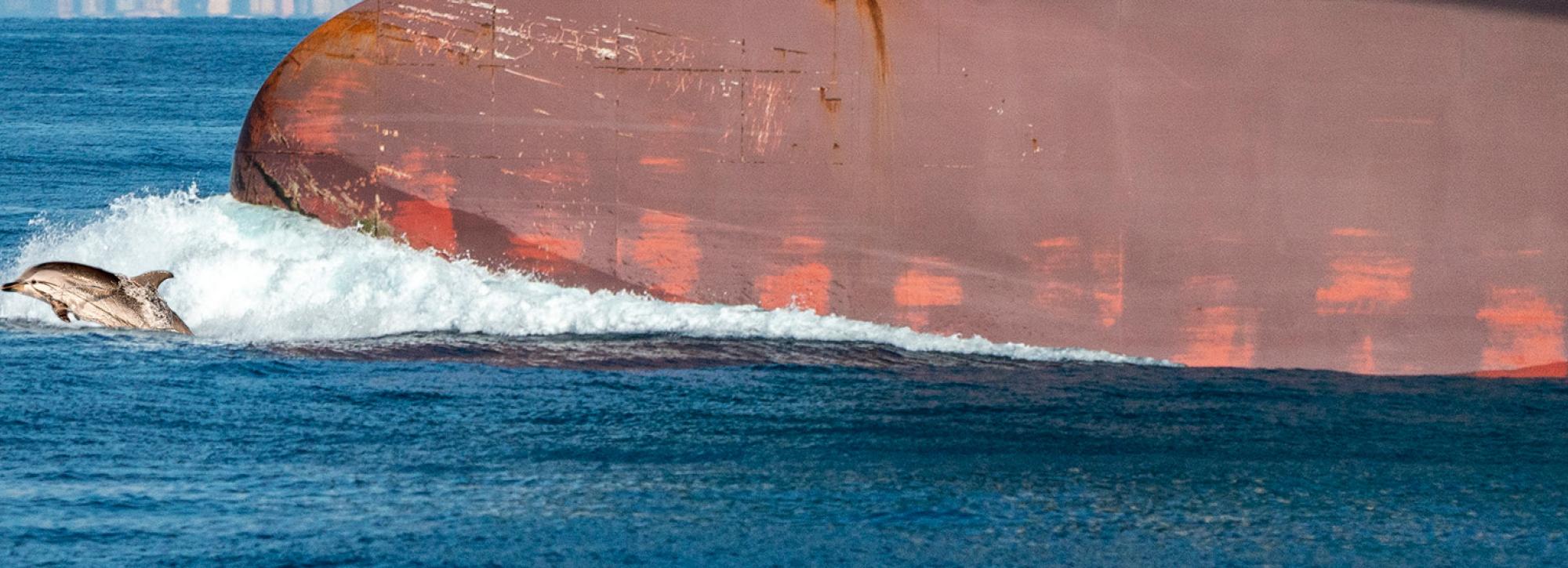
SEUSS, innovative modelling to safeguard marine ecosystems worldwide.

Share
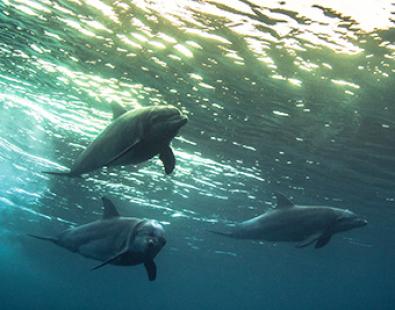
dolphin swimming next to big ship

Satellite-Enhanced Underwater Sound Services, (SEUSS) is an underwater sound modelling service that we have developed as part of a European Space Agency-funded project. It integrates satellite-derived data with advanced acoustic modelling to improve the accuracy of Environmental Impact Assessments, (EIAs) for marine developments. 

Our oceans are becoming increasingly noisy. Between 2014 and 2019, underwater noise levels in European waters more than doubled, largely due to the shipping industry. Climate change is compounding the problem, with stormier seas generating more wave-related noise. This growing acoustic pollution threatens marine species that rely on sound for communication, navigation, and survival. Current modelling approaches often struggle to distinguish between natural and man-made noise sources, making it difficult to accurately assess the potential impact of new marine infrastructure developments such as ports, wind farms, dredging, and seabed mining operations.

SEUSS addresses these challenges by introducing satellite-enabled enhancements to underwater noise modelling. It uses Automatic Identification System, (AIS) data to map ship positions and generate accurate, localised background noise profiles, while satellite weather observations help infer noise from sea conditions. These data streams are integrated with our proven underwater noise models to produce detailed spatio-temporal noise fields that feed into assessments of potential ecological impacts. The results are delivered through an intuitive interface featuring charts, tables, and maps, giving regulators and contractors the tools they need to make informed decisions and implement effective mitigation strategies.

The animation above shows simulation results from the SEUSS system using AIS data of moving vessels in Falmouth Bay (UK).

Why this matters

By improving the accuracy of underwater noise assessments, SEUSS helps ensure that marine developments meet environmental standards and minimise harm to marine life. This innovation supports sustainable growth in offshore industries while safeguarding biodiversity. With global accessibility, SEUSS empowers stakeholders worldwide to better understand and manage underwater noise, contributing to healthier oceans and more responsible marine development.


Contact our project lead

Tom Benson
Technical Director
Contact Profile
Headshot of Scientist Tom Benson

Explore more

  • All
  • Project
  • Expertise
  • News
  • Insight
  • Facility
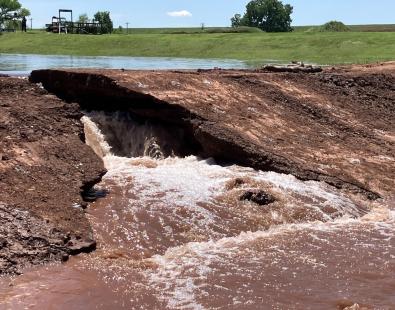
View of a dam breach experiment

Dam and levee models assessed for predicting internally initiated breaches

Automating biodiversity impact assessments with Earth observation

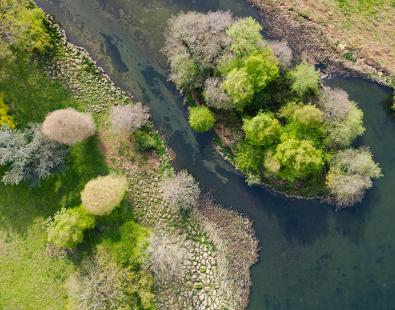
Aerial view of a meandering river

A new Environmental Destination framework

Flood early warning system to support tropical cyclone relief

Aerial view of St Kitts and Nevis Caribbean island

St Kitts and Nevis Climate Risk Intelligence Data Infrastructure

View of yemen town with river in middle

Monitoring Yemen’s groundwater depletion using satellite data

close view of leaky dam

RAIN: Innovative approaches to flood resilience

Sapphire: using AI to improve river and bathing water quality

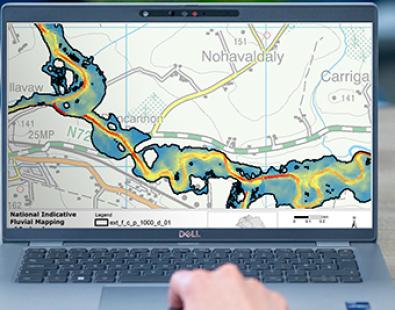
National flood mapping for Ireland

A new water information system for St Kitts and Nevis

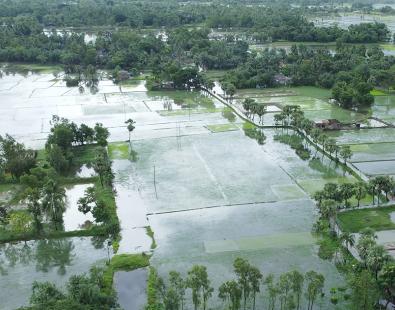
Flooded fields in west bengal

Using satellite data to evaluate the impact of severe weather in India

Bulgaria flood hazard and risk mapping

We are global leaders and independent experts in how to live and work sustainably with water

Social media

  • BlueSky
  • LinkedIn
  • YouTube

Expertise

  • Coastal & marine
  • Energy transition
  • Water & climate
  • Software solutions
  • Equipment & technology

Company

  • About
  • Careers
  • News
  • Insights
  • Sustainability

Legal

  • Privacy & data protection
  • Policies
  • Modern slavery statement
  • Terms & conditions
  • Sitemap
© 2026 HR Wallingford
Contact