Secondary nav 2022

  • Equipment
  • Software
  • Training

Main navigation 2022

  • About
    • About HR Wallingford
    • Our leadership
    • Our people
    • Our impact
      • Annual report & financial statements
      • Gender pay
      • Social impact
      • Sustainability
    • Our story
    • News
    • Insight articles
    • Policies
  • Projects
  • Expertise
    • Coastal & marine sustainability
      • Coastal hazards & resilience
      • Coastal morphology & sediment dynamics
      • Dredging and sediment management
      • Marine & coastal environment
      • Ports, harbours and shipping
      • Subsea engineering
      • Waterfronts, marinas and resorts
    • Energy transition
      • Fixed offshore wind
      • Floating offshore wind
      • Liquified gas & transition fuels
      • Nuclear
      • Wave, tidal, solar & hydropower
    • Water & climate resilience
      • Dams & reservoirs
      • Freshwater environment
      • Integrated flood management
      • Surface water systems
      • Water management for climate resilient development
      • Water supply & drought resilience
  • Facilities
    • Explore our facilities
    • Ship simulation
      • Australia Ship Simulation Centre
      • UK Ship Simulation Centre
    • Physical modelling
      • Fast Flow Facility
      • Tsunami simulator
      • Volumetric flow flume
      • Wave basins
      • Wave flumes
      • Erosion rate measurement
      • Water rescue training
  • Careers
    • Careers overview
    • Working at HR Wallingford
    • Job opportunities
  • Contact
  • About
    • About HR Wallingford
    • Our leadership
    • Our people
    • Our impact
      • Annual report & financial statements
      • Gender pay
      • Social impact
      • Sustainability
    • Our story
    • News
    • Insight articles
    • Policies
  • Projects
  • Expertise
    • Coastal & marine sustainability
      • Coastal hazards & resilience
      • Coastal morphology & sediment dynamics
      • Dredging and sediment management
      • Marine & coastal environment
      • Ports, harbours and shipping
      • Subsea engineering
      • Waterfronts, marinas and resorts
    • Energy transition
      • Fixed offshore wind
      • Floating offshore wind
      • Liquified gas & transition fuels
      • Nuclear
      • Wave, tidal, solar & hydropower
    • Water & climate resilience
      • Dams & reservoirs
      • Freshwater environment
      • Integrated flood management
      • Surface water systems
      • Water management for climate resilient development
      • Water supply & drought resilience
  • Facilities
    • Explore our facilities
    • Ship simulation
      • Australia Ship Simulation Centre
      • UK Ship Simulation Centre
    • Physical modelling
      • Fast Flow Facility
      • Tsunami simulator
      • Volumetric flow flume
      • Wave basins
      • Wave flumes
      • Erosion rate measurement
      • Water rescue training
  • Careers
    • Careers overview
    • Working at HR Wallingford
    • Job opportunities
  • Contact
  1. Home >
  2. Expertise >
  3. Water & climate resilience >
  4. Water management for climate resilient development

Water management for climate resilient development

Share

Transforming climate risk science into practical resilience strategies

Climate change presents a challenge both through more extreme weather events and long term changes such as increasing temperature and rising sea levels. Understanding and quantifying the impacts of climate hazards and how these will change provides the foundation for adapting to climate change. Our multidisciplinary teams, working with local experts model, map, quantify climate risks and working with stakeholders to identify, prioritise and develop options to enhance resilience.

Understanding climate hazards and their impacts on people and infrastructure

Countries facing rising climate pressures need clear, quantitative insight into how hazards are changing and what this means for people, infrastructure and essential services. For water utilities, this may mean assessing the impacts of drought, planning for growing demand or identifying investments needed to secure supplies in a drier future.

We work with our partners to analyse water resources under multiple climate scenarios, identify vulnerabilities, model supply reliability and co‑design solutions that support long‑term sustainability.

Managing extreme weather risks through modelling and early‑warning systems

Extreme rainfall, cyclones, droughts and storm surges can put lives, assets and services at risk. We help organisations manage these impacts across operational and strategic timeframes. At the operational level, we design early‑warning systems that use real‑time monitoring, satellite data and forecasting models to improve preparedness and emergency response.

Mapping future flood, coastal and drought risks for long‑term planning

At the strategic level, we model and map the effects of sea‑level rise, and coastal, river and urban flooding on communities, infrastructure and ecosystems. This evidence helps decision makers plan investments, protect critical assets and strengthen long‑term resilience.

Embedding green infrastructure surface water systems (SuDS) and rainwater harvesting into climate resilient planning

Using surface water systems to embed green infrastructure and rainwater harvesting systems into urban areas can help alleviate flooding, improve water quality, reduce urban heat, improve urban health and well-being, and support urban ecology – all under threat from rising temperatures, more intense rainfall, and urban intensification.

Turning climate data into actionable plans and decision‑support tools

Clear communication is essential for turning climate science into meaningful action. Whether we are preparing high‑level adaptation priorities or building geospatial dashboards and decision‑support tools, we work closely with stakeholders to ensure our insights can be embedded into plans, policies and day‑to‑day decision making.

Expertise in water management for climate resilient development

Water resources modelling & assessment

Assess supply, demand and ecological needs under drought and future climate scenarios.

Flood hazard modelling & mapping

Use of state-of-the-art models to map flood hazards in urban, river and coastal settings, supporting risk assessments and adaptation planning.

Climate change adaptation pathways

We create flexible, long‑term adaptation pathways that help decision makers plan for uncertainty and adjust to evolving climate risks.

Non‑revenue water & leakage reduction

Model and assess water supply systems to allow interventions to be developed that reduce water losses to improve continuity and financial sustainability.

Flood impact & risk modelling

Combine flood hazard data with exposed built and natural assets to calculate impacts and risks to critical infrastructure, ecosystems and communities at risk to enable adaptation actions to be prioritised.

Early‑warning systems for extreme events

Real‑time early‑warning systems for floods, cyclones and droughts, combining monitoring, forecasting and decision‑support tools.
 

Decision‑support & digital tools

Web‑based mapping platforms and tools that communicate climate and risk information clearly and support evidence‑based decisions.

Adaptation planning

Design strategies and plans that help governments, utilities and communities adapt to a changing climate.

Capacity building & training

Integrated capacity development and tailored training courses to meet a wide range of stakeholder needs.

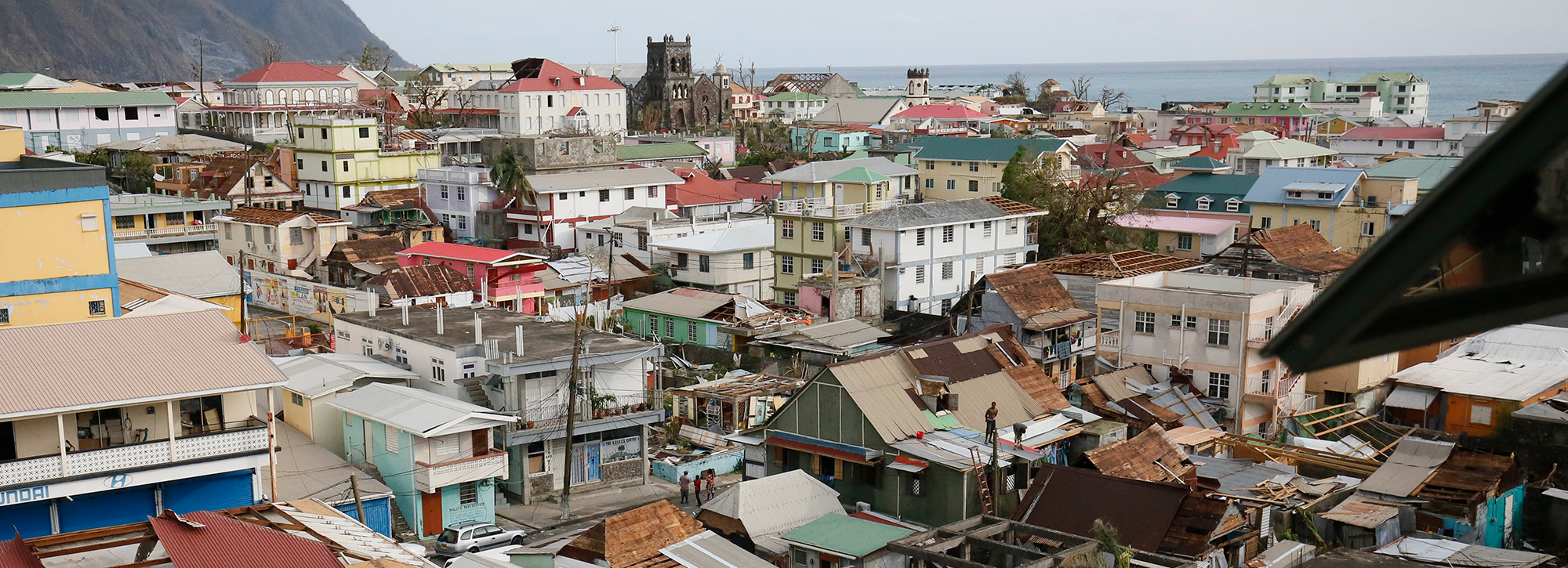
Image credit: Russell Watkins/DFID

Get in touch

George Woolhouse

Principal Scientist
Contact Profile

Explore more

  • All
  • Project
  • Expertise
  • News
  • Insight
  • Facility

National leakage centre scoped out

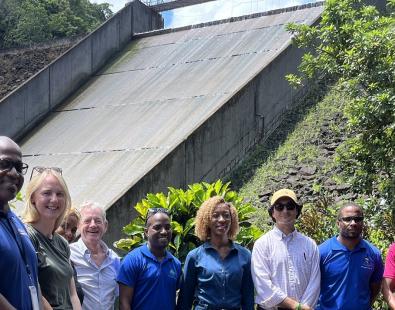
People with John Compton dam

Project to ensure future water security for Saint Lucia

Manchester Prize selects Sapphire to help rivers sparkle

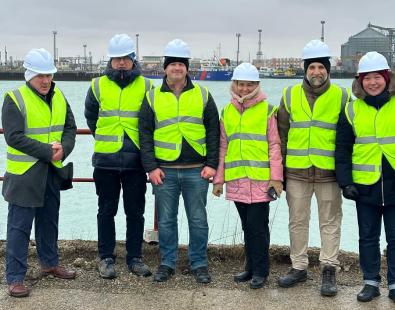
HR Wallingford and World Bank staff in high visibility jackets standing for a picture in Port of Aktau on Caspian sea

Caspian Sea water levels study to inform Aktau Port adaptation

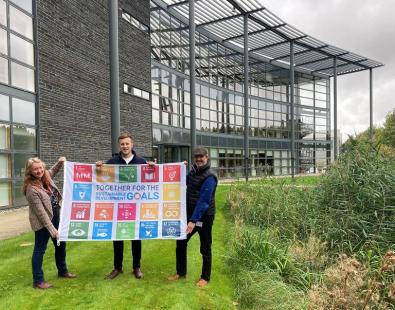
Three people holding SDG flag in front of office building in Howbery Park, Oxfordshire

Flag raised in support of UN Sustainable Development Goals

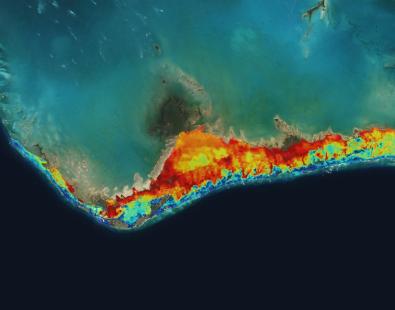
Screenshot of Bahamas Storm Surge Atlas

Storm Surge Atlas brings hope to hurricane-hit islands

Testing the Hadley FloodSAFE house in our flood testing facilities

Innovative FloodSafe house moves in

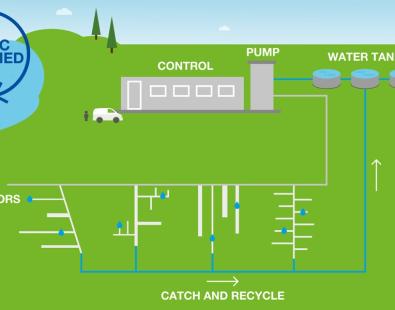
Diagram of national leakage centre

National leakage centre receives funding

Flood protection approach draws on statistical method from medicine

Picture of a satellite in space around the Earth

Space data to secure vital healthcare supply chains

Chalk stream west stow

Project to assess optimal ways of protecting precious chalk streams

Web-based tool to efficiently target water leaks

We are global leaders and independent experts in how to live and work sustainably with water

Social media

  • BlueSky
  • LinkedIn
  • YouTube

Expertise

  • Coastal & marine
  • Energy transition
  • Water & climate
  • Software solutions
  • Equipment & technology

Company

  • About
  • Careers
  • News
  • Insights
  • Sustainability

Legal

  • Privacy & data protection
  • Policies
  • Modern slavery statement
  • Terms & conditions
  • Sitemap
© 2026 HR Wallingford
Contact