Secondary nav 2022

  • Equipment
  • Software
  • Training

Main navigation 2022

  • About
    • About HR Wallingford
    • Our leadership
    • Our people
    • Our impact
      • Annual report & financial statements
      • Gender pay
      • Social impact
      • Sustainability
    • Our story
    • News
    • Insight articles
    • Policies
  • Projects
  • Expertise
    • Coastal & marine sustainability
      • Coastal hazards & resilience
      • Coastal morphology & sediment dynamics
      • Dredging and sediment management
      • Marine & coastal environment
      • Ports, harbours and shipping
      • Subsea engineering
      • Waterfronts, marinas and resorts
    • Energy transition
      • Fixed offshore wind
      • Floating offshore wind
      • Liquified gas & transition fuels
      • Nuclear
      • Wave, tidal, solar & hydropower
    • Water & climate resilience
      • Dams & reservoirs
      • Freshwater environment
      • Integrated flood management
      • Surface water systems
      • Water management for climate resilient development
      • Water supply & drought resilience
  • Facilities
    • Explore our facilities
    • Ship simulation
      • Australia Ship Simulation Centre
      • UK Ship Simulation Centre
    • Physical modelling
      • Fast Flow Facility
      • Tsunami simulator
      • Volumetric flow flume
      • Wave basins
      • Wave flumes
      • Erosion rate measurement
      • Water rescue training
  • Careers
    • Careers overview
    • Working at HR Wallingford
    • Job opportunities
  • Contact
  • About
    • About HR Wallingford
    • Our leadership
    • Our people
    • Our impact
      • Annual report & financial statements
      • Gender pay
      • Social impact
      • Sustainability
    • Our story
    • News
    • Insight articles
    • Policies
  • Projects
  • Expertise
    • Coastal & marine sustainability
      • Coastal hazards & resilience
      • Coastal morphology & sediment dynamics
      • Dredging and sediment management
      • Marine & coastal environment
      • Ports, harbours and shipping
      • Subsea engineering
      • Waterfronts, marinas and resorts
    • Energy transition
      • Fixed offshore wind
      • Floating offshore wind
      • Liquified gas & transition fuels
      • Nuclear
      • Wave, tidal, solar & hydropower
    • Water & climate resilience
      • Dams & reservoirs
      • Freshwater environment
      • Integrated flood management
      • Surface water systems
      • Water management for climate resilient development
      • Water supply & drought resilience
  • Facilities
    • Explore our facilities
    • Ship simulation
      • Australia Ship Simulation Centre
      • UK Ship Simulation Centre
    • Physical modelling
      • Fast Flow Facility
      • Tsunami simulator
      • Volumetric flow flume
      • Wave basins
      • Wave flumes
      • Erosion rate measurement
      • Water rescue training
  • Careers
    • Careers overview
    • Working at HR Wallingford
    • Job opportunities
  • Contact
  1. Home >
  2. Projects >
  3. Building a flood forecasting and warning system for Malaysia
Building a flood forecasting and warning system for Malaysia

Share
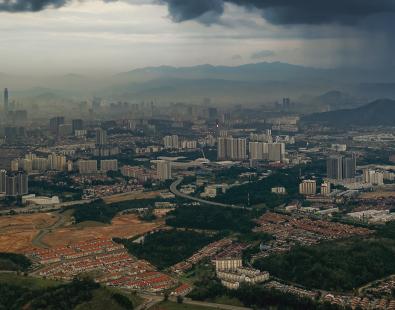
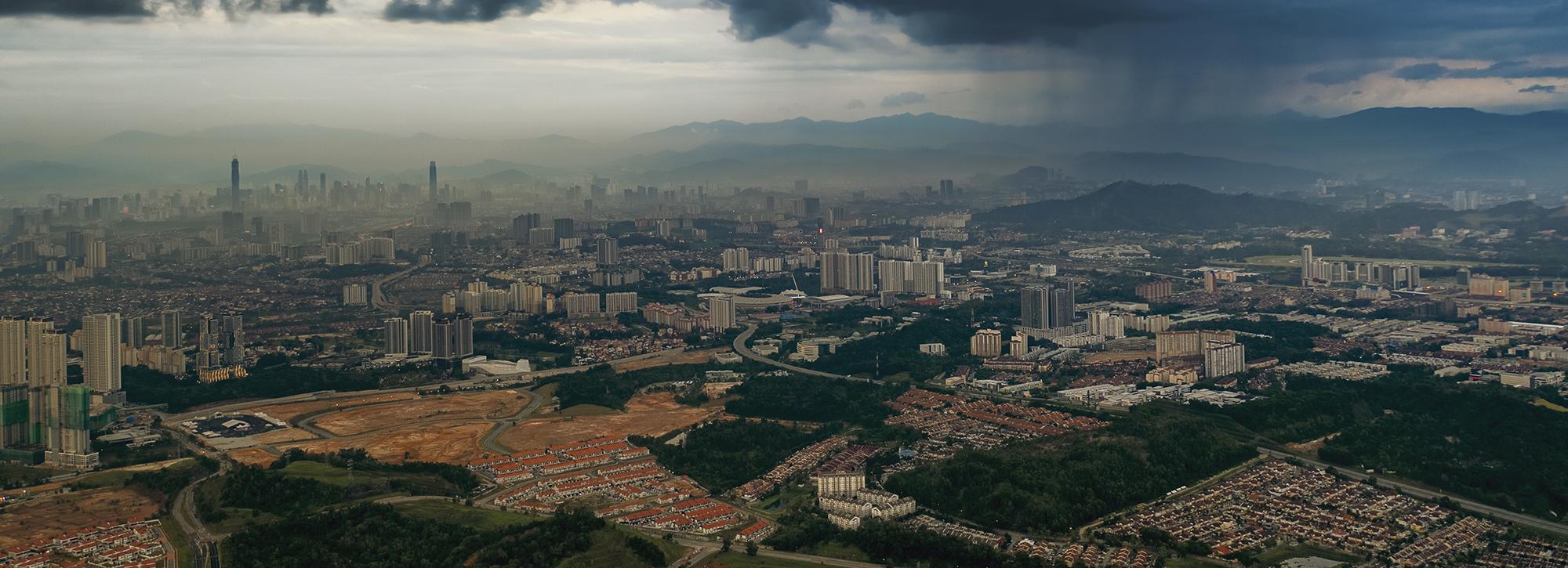
view of a stormy sky over malaysia floods

Large areas of Malaysia repeatedly suffer from prolonged and significant floods, causing widespread disruption to communities, businesses and infrastructure. And with climate change and urbanisation expected to lead to bigger and more frequent floods worldwide, early-warning systems are set to become all the more important. We developed a new National Flood Forecasting and Warning System for Malaysia, that is already helping to protect lives and livelihoods. 

Ambitious scope

As part of an ambitious project to build a country-wide early warning system, we initially developed flood forecasting for 25 catchments in peninsular Malaysia for the Department of Irrigation and Drainage, covering 99,000 km2. The system provides alerts to authorities 48 hours prior to a flood and flood forecasts up to a week in advance.

We are now extending the system to 11 more catchments, including the country capital Kuala Lumpur. Unifying the technological approach across the country is an important move for flood management in Malaysia where a fifth of the population is estimated to be at risk from flooding.

Data driven, people focussed

Our solution delivers a fully operational flood forecasting system for each of the catchments. As part of the development of the warning systems we assessed the various inputs to the system and advised on both the accuracy and reliability of these sources. The forecasting systems are automatically linked to real-time data sources, which include rainfall (rain gauge, observed radar and forecast numerical predictions) and water level gauges. Incoming gauge data is automatically quality checked for data inaccuracies and infilled as required.

The forecasting system produces forecasted water levels and flows at thousands of locations along the rivers and on the floodplains, allowing flood warnings to be targeted at specific people. Warning locations include schools, hospitals, mosques and villages, as well as key points in rivers.

The forecasting system has automatically scheduled flood forecasts with forecasts being issued several times each day. All key results, including rainfall, water levels and flood maps are provided to the national flood control centre, where it is analysed and then disseminated to all relevant authorities. Evacuation and emergency response can then be organised in a timely fashion, saving people from flooding.
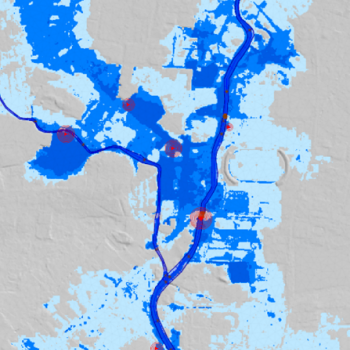
Screenshot of output of flood forecasting model

Long term sustainability

Capacity building was a key component to ensure the long-term operation of the system. To this end we ensured that operations staff were trained in the system operation and management. This allows local users to maintain and use the flood forecasting system. HR Wallingford still maintains an active role in supporting the operators using the system on a daily basis.

Contact our project lead

Emma Brown

Technical Director
Contact Profile

Explore more

  • All
  • Project
  • Expertise
  • News
  • Insight
  • Facility
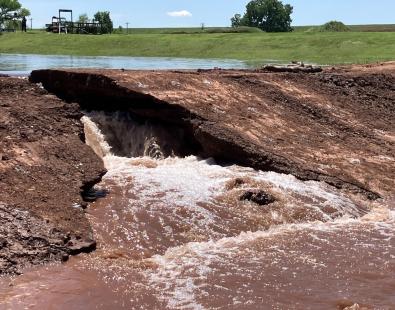
View of a dam breach experiment

Dam and levee models assessed for predicting internally initiated breaches

Marine & coastal environment

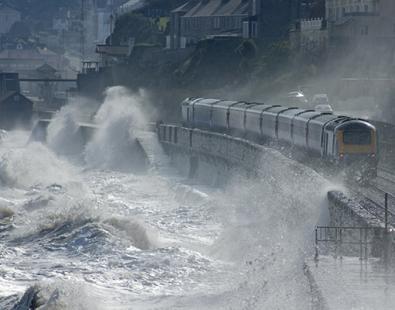
Waves overtopping the sea wall at Dawlish

Coastal hazards & resilience

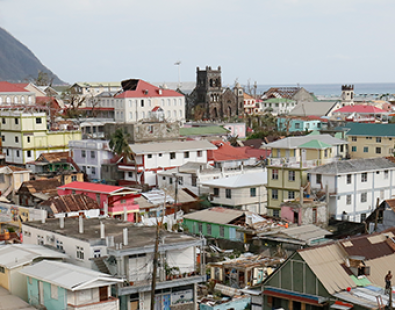
View of Domenica island after hurricane damage

Water management for climate resilient development

Integrated flood management

From ecosystems to insurance: nature’s role in reducing coastal flooding

Garden demonstrating flood resilience opens in our business park

Automating biodiversity impact assessments with Earth observation

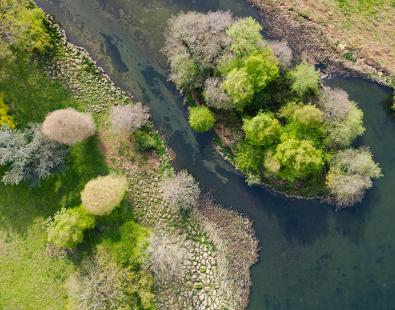
Aerial view of a meandering river

A new Environmental Destination framework

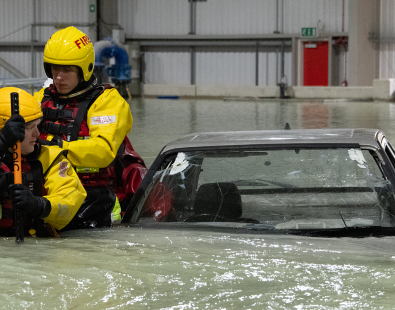
Emergency services in a water rescue training

Water rescue training

View of sand dune with grass

International Guidelines on Natural and Nature-based Features for Flood Risk Management

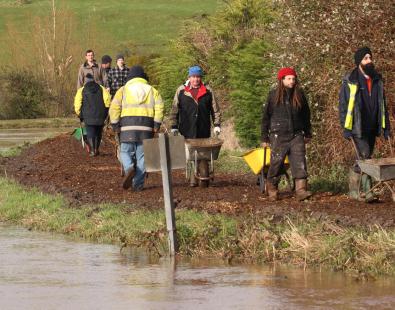
view of people helping during a flood event

Empowering communities to manage local flood risk

We are global leaders and independent experts in how to live and work sustainably with water

Social media

  • BlueSky
  • LinkedIn
  • YouTube

Expertise

  • Coastal & marine
  • Energy transition
  • Water & climate
  • Software solutions
  • Equipment & technology

Company

  • About
  • Careers
  • News
  • Insights
  • Sustainability

Legal

  • Privacy & data protection
  • Policies
  • Modern slavery statement
  • Terms & conditions
  • Sitemap
© 2026 HR Wallingford
Contact