Secondary nav 2022

  • Equipment
  • Software
  • Training

Main navigation 2022

  • About
    • About HR Wallingford
    • Our leadership
    • Our people
    • Our impact
      • Annual report & financial statements
      • Gender pay
      • Social impact
      • Sustainability
    • Our story
    • News
    • Insight articles
    • Policies
  • Projects
  • Expertise
    • Coastal & marine sustainability
      • Coastal hazards & resilience
      • Coastal morphology & sediment dynamics
      • Dredging and sediment management
      • Marine & coastal environment
      • Ports, harbours and shipping
      • Subsea engineering
      • Waterfronts, marinas and resorts
    • Energy transition
      • Fixed offshore wind
      • Floating offshore wind
      • Liquified gas & transition fuels
      • Nuclear
      • Wave, tidal, solar & hydropower
    • Water & climate resilience
      • Dams & reservoirs
      • Freshwater environment
      • Integrated flood management
      • Surface water systems
      • Water management for climate resilient development
      • Water supply & drought resilience
  • Facilities
    • Explore our facilities
    • Ship simulation
      • Australia Ship Simulation Centre
      • UK Ship Simulation Centre
    • Physical modelling
      • Fast Flow Facility
      • Tsunami simulator
      • Volumetric flow flume
      • Wave basins
      • Wave flumes
      • Erosion rate measurement
      • Water rescue training
  • Careers
    • Careers overview
    • Working at HR Wallingford
    • Job opportunities
  • Contact
  • About
    • About HR Wallingford
    • Our leadership
    • Our people
    • Our impact
      • Annual report & financial statements
      • Gender pay
      • Social impact
      • Sustainability
    • Our story
    • News
    • Insight articles
    • Policies
  • Projects
  • Expertise
    • Coastal & marine sustainability
      • Coastal hazards & resilience
      • Coastal morphology & sediment dynamics
      • Dredging and sediment management
      • Marine & coastal environment
      • Ports, harbours and shipping
      • Subsea engineering
      • Waterfronts, marinas and resorts
    • Energy transition
      • Fixed offshore wind
      • Floating offshore wind
      • Liquified gas & transition fuels
      • Nuclear
      • Wave, tidal, solar & hydropower
    • Water & climate resilience
      • Dams & reservoirs
      • Freshwater environment
      • Integrated flood management
      • Surface water systems
      • Water management for climate resilient development
      • Water supply & drought resilience
  • Facilities
    • Explore our facilities
    • Ship simulation
      • Australia Ship Simulation Centre
      • UK Ship Simulation Centre
    • Physical modelling
      • Fast Flow Facility
      • Tsunami simulator
      • Volumetric flow flume
      • Wave basins
      • Wave flumes
      • Erosion rate measurement
      • Water rescue training
  • Careers
    • Careers overview
    • Working at HR Wallingford
    • Job opportunities
  • Contact
  1. Home >
  2. Projects >
  3. D-MOSS: Dengue forecasting MOdel Satellite-based System
D-MOSS: Dengue forecasting MOdel Satellite-based System

Share
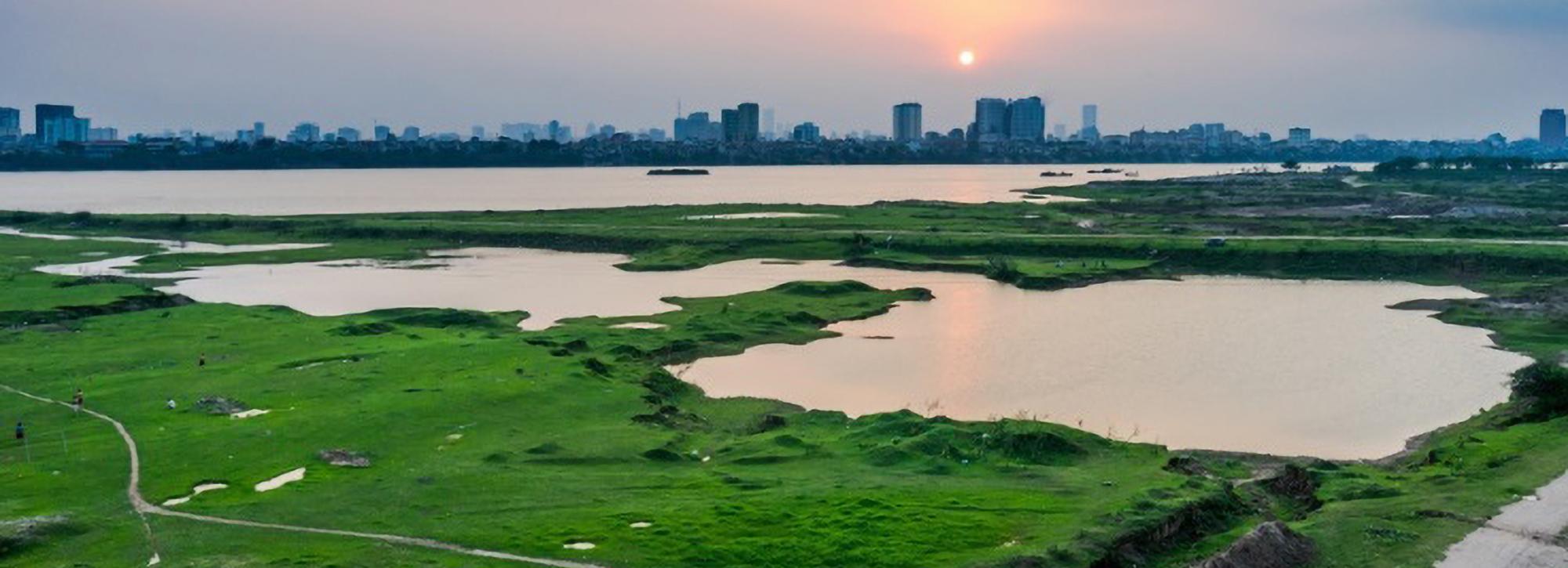
view of  river in Ho Chi Minh Vietnam, where dengue fever forecasting system is tested

Half the world’s population is now estimated to be at risk from the dengue fever, a mosquito-borne viral infection found in tropical and sub-tropical climates worldwide. We are leading the development of D-MOSS, a pioneering dengue forecasting system as part of a UK Space agency funded project. This system uses Earth Observation data to give early warning for dengue fever outbreaks in six South Asian countries.  

For the first time, an Earth Observation-based forecasting system allows decision makers to identify areas of high risk for disease epidemics before an outbreak occurs, in order to target resources so as to reduce an epidemic spreading and to increase disease control.

Darren Lumbroso, Technical Director

The D-MOSS early warning system is already live in Vietnam and is being implemented in Cambodia, Laos, Malaysia, Thailand, The Philippines and Sri Lanka. It gives beneficiaries several months advance warning of likely outbreaks of dengue fever. It allows local communities to mobilise to eliminate mosquito‑breeding sites thus reducing incidents of dengue. In combination with better outbreak response, we expect it will help reduce dengue incidence over the project lifetime.

Benefits of D-MOSS

  • Probabilistic forecasts of dengue outbreaks issued every month, up to seven months in advance.
  • Seasonal forecasts of water availability, at a catchment scale.
  • Built in capability to replicate anywhere in the world and for a variety of other diseases.
Forecasting dengue fever in South Asia

Download factsheets

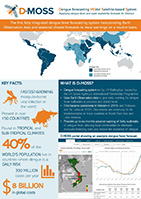
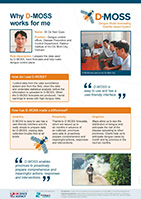
d-moss factsheet overview
D-MOSS Factsheet overview
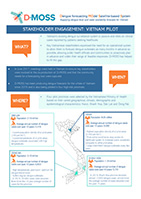
D-MOSS stakeholder engagement factsheet
D-MOSS Stakeholder engagement factsheet

Case studies - what users say about D-MOSS

D-MOSS has helped policy-making officials to develop dengue prevention and control strategies in advance of an outbreak.

Dr Vu Trong Duoc,  NIHE, Vietnam 

Download the full case study (pdf)


D-MOSS is helping bridge the gap between early warning and early action.

Dr Pham Ngoc Thanh, TIHE, Vietnam

Download the full case study (pdf)
 

D-MOSS enables provinces to proactively prepare comprehensive and meaningful actions, responses and interventions.

Dr Do Kien Quoc, Pasteur Institute of Ho Chi Minh City, Vietnam

Download the full case study (pdf)


Research consortium, sponsored by the UK Space Agency

HR Wallingford leads the D-MOSS consortium, working alongside the London School of Hygiene and Tropical Medicine, the UK Met Office and Oxford Policy Management in the UK, and with the following international partners: the United Nations Development Programme, the World Health Organisation, the Vietnamese Institute of Meteorology, Hydrology and Climate Change, the Pasteur Institute Ho Chi Minh City, the National Institute of Hygiene and Epidemiology in Vietnam and the International Medical University in Malaysia. The project is sponsored by the UK Space Agency’s International Partnership Programme (IPP), a five-year, £152 million programme designed to partner UK space expertise with overseas governments and organisations to deliver sustainable, economic or societal benefits.

Want to know more?

"Selection and integration of earth observation-based data for an operational disease forecasting system", EGU General Assembly 2020
"D-MOSS: An integrated dengue early warning system in Vietnam driven by Earth Observations", AGU Fall Meeting 2019

Get in touch

Gina Tsarouchi

Principal engineer and project manager
Contact Profile

Explore more

  • All
  • Project
  • Expertise
  • News
  • Insight
  • Facility
Picture of a satellite in space around the Earth

Earth Observation: the final frontier for understanding water?

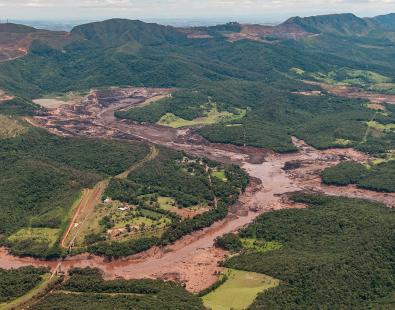
An aerial photo of the Brumadinho dam disaster in Brazil

Monitoring dams from space

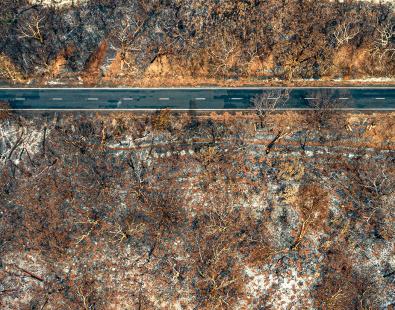
A forest burned by bush fire with a road running through it

Securing vital healthcare supplies during natural disasters

Picture of a satellite in space around the Earth

Flood-impact forecasting: the new frontier for EO

A mosquito on a green leaf

Satellites vs mosquitoes

The curious case of a combined physical model

Programmed for scientific success

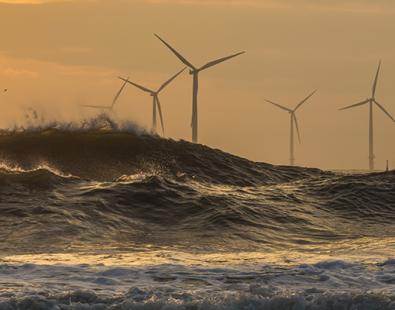
View of offshore wind farms in storm waves

Supporting safe operations with accurate marine weather forecasts

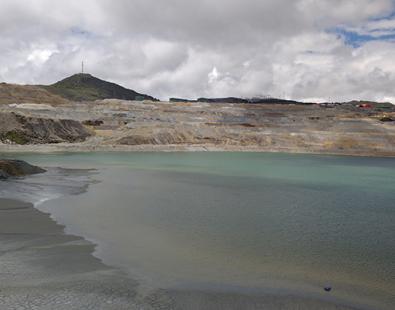
Tailings dam failures - can we minimise the risks?

We are global leaders and independent experts in how to live and work sustainably with water

Social media

  • BlueSky
  • LinkedIn
  • YouTube

Expertise

  • Coastal & marine
  • Energy transition
  • Water & climate
  • Software solutions
  • Equipment & technology

Company

  • About
  • Careers
  • News
  • Insights
  • Sustainability

Legal

  • Privacy & data protection
  • Policies
  • Modern slavery statement
  • Terms & conditions
  • Sitemap
© 2026 HR Wallingford
Contact