Secondary nav 2022

  • Equipment
  • Software
  • Training

Main navigation 2022

  • About
    • About HR Wallingford
    • Our leadership
    • Our people
    • Our impact
      • Annual report & financial statements
      • Gender pay
      • Social impact
      • Sustainability
    • Our story
    • News
    • Insight articles
    • Policies
  • Projects
  • Expertise
    • Coastal & marine sustainability
      • Coastal hazards & resilience
      • Coastal morphology & sediment dynamics
      • Dredging and sediment management
      • Marine & coastal environment
      • Ports, harbours and shipping
      • Subsea engineering
      • Waterfronts, marinas and resorts
    • Energy transition
      • Fixed offshore wind
      • Floating offshore wind
      • Liquified gas & transition fuels
      • Nuclear
      • Wave, tidal, solar & hydropower
    • Water & climate resilience
      • Dams & reservoirs
      • Freshwater environment
      • Integrated flood management
      • Surface water systems
      • Water management for climate resilient development
      • Water supply & drought resilience
  • Facilities
    • Explore our facilities
    • Ship simulation
      • Australia Ship Simulation Centre
      • UK Ship Simulation Centre
    • Physical modelling
      • Fast Flow Facility
      • Tsunami simulator
      • Volumetric flow flume
      • Wave basins
      • Wave flumes
      • Erosion rate measurement
      • Water rescue training
  • Careers
    • Careers overview
    • Working at HR Wallingford
    • Job opportunities
  • Contact
  • About
    • About HR Wallingford
    • Our leadership
    • Our people
    • Our impact
      • Annual report & financial statements
      • Gender pay
      • Social impact
      • Sustainability
    • Our story
    • News
    • Insight articles
    • Policies
  • Projects
  • Expertise
    • Coastal & marine sustainability
      • Coastal hazards & resilience
      • Coastal morphology & sediment dynamics
      • Dredging and sediment management
      • Marine & coastal environment
      • Ports, harbours and shipping
      • Subsea engineering
      • Waterfronts, marinas and resorts
    • Energy transition
      • Fixed offshore wind
      • Floating offshore wind
      • Liquified gas & transition fuels
      • Nuclear
      • Wave, tidal, solar & hydropower
    • Water & climate resilience
      • Dams & reservoirs
      • Freshwater environment
      • Integrated flood management
      • Surface water systems
      • Water management for climate resilient development
      • Water supply & drought resilience
  • Facilities
    • Explore our facilities
    • Ship simulation
      • Australia Ship Simulation Centre
      • UK Ship Simulation Centre
    • Physical modelling
      • Fast Flow Facility
      • Tsunami simulator
      • Volumetric flow flume
      • Wave basins
      • Wave flumes
      • Erosion rate measurement
      • Water rescue training
  • Careers
    • Careers overview
    • Working at HR Wallingford
    • Job opportunities
  • Contact
  1. Home >
  2. Projects >
  3. Designing climate services in South Africa
Designing climate services in South Africa

Share

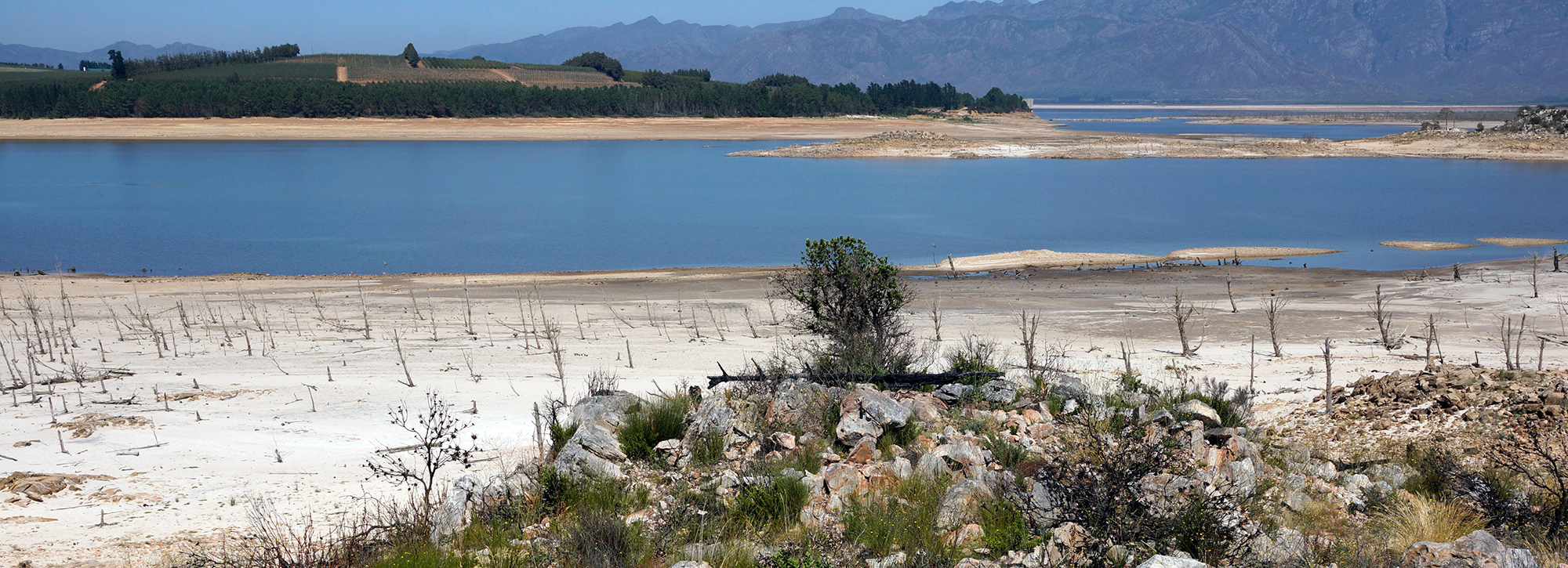
Escalating climate-related challenges in South Africa affect millions. As part of the Stakeholder-driven climate services in South Africa (STADCLIM-SA) team, our aim was to transform climate data into actionable insights, empowering decision-makers to mitigate risks and optimise opportunities across ten priority sectors. This needs assessment identified and addressed gaps, ensuring climate resilience and sustainable development.

South Africa faces escalating climate-related challenges, including severe droughts and floods, impacting millions. Despite traditional coping strategies, access to tailored climate services remains limited, hindering effective decision-making. As part of the “Stakeholder-driven climate services for South Africa (STADCLIM-SA) project, led by the National Framework for Climate Services, we sought to bridge this gap. It targeted ten critical sectors: agriculture, biodiversity, disaster risk reduction, energy, health, human settlements, infrastructure, oceans and coasts, transport, and water resources. The challenge is to co-design services that are accessible, context-relevant, and inclusive, addressing barriers like literacy and technology access. This initiative aligned with the Global Framework for Climate Services to enhance resilience and support vulnerable populations by transforming climate information into a decision-making tool.

To address the pressing climate challenges in South Africa, the project conducted comprehensive needs assessments across the ten priority sectors identified by NFCS-SA. Engaging stakeholders through surveys and interviews, the project aimed to co-produce climate services that are user-centred and actionable. For instance, in agriculture, climate data was tailored to optimise planting schedules and water usage, directly impacting food security. In disaster risk reduction, services were developed to provide early warnings, enabling timely evacuations and minimising loss. The approach was iterative, ensuring continuous stakeholder engagement to refine services based on feedback. This collaborative model not only improved the relevance and uptake of climate services but also empowered communities to proactively manage climate risks, aligning with the broader goals of the Weather and Climate Science for Service Partnership project to foster UK-South Africa scientific collaboration.

Through this project we significantly bolstered South Africa’s capacity to manage climate variability, delivering economic, social, and environmental benefits. Enhanced climate services lead to better agricultural yields, reduced disaster-related losses, and improved water resource management. By fostering inclusivity and accessibility, the initiative supported sustainable development and resilience, helping communities thrive amidst climate challenges.
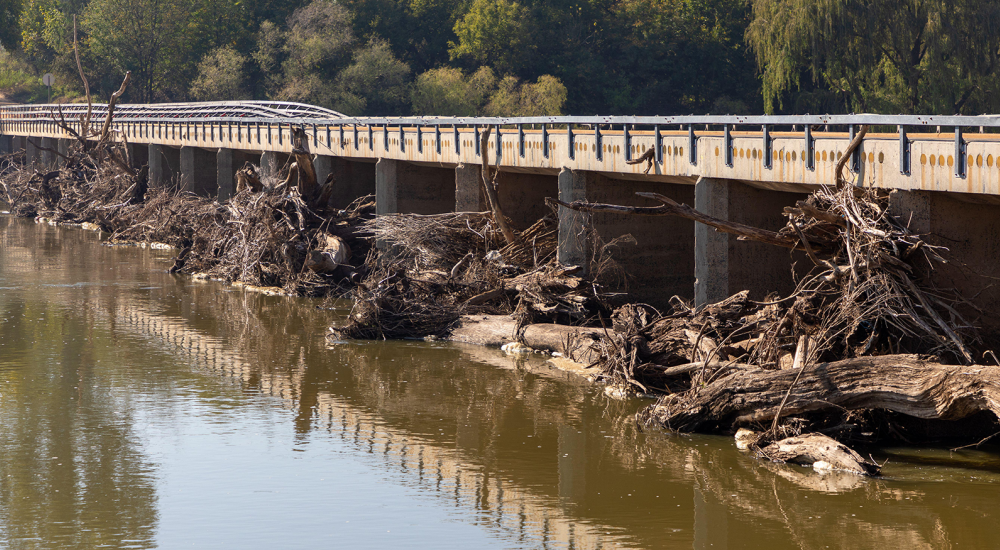
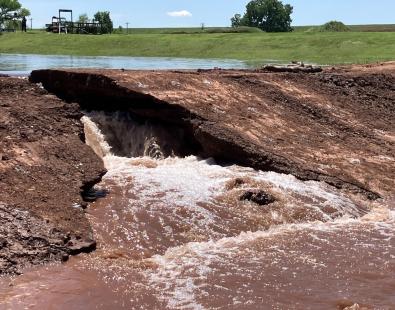
View of flood debris in river in South Africa

Contact our project lead

Gina Tsarouchi

Principal engineer and project manager
Contact Profile

Explore more

  • All
  • Project
  • Expertise
  • News
  • Insight
  • Facility

Marine & coastal environment

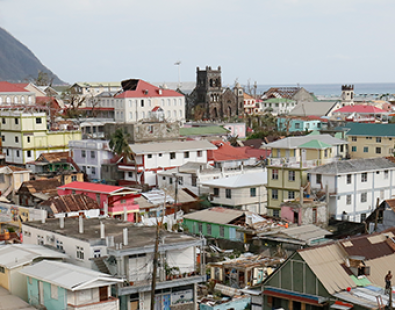
View of Domenica island after hurricane damage

Water management for climate resilient development

View of Domenica island after hurricane damage

Water management for climate resilient development

Water resources & drought resilience

From ecosystems to insurance: nature’s role in reducing coastal flooding

From ecosystems to insurance: nature’s role in reducing coastal flooding

Buscot Park lake: a heritage dam reinvented

Automating biodiversity impact assessments with Earth observation

Automating biodiversity impact assessments with Earth observation

Aerial view of a meandering river

A new Environmental Destination framework

Aerial view of a meandering river

A new Environmental Destination framework

View of sand dune with grass

International Guidelines on Natural and Nature-based Features for Flood Risk Management

We are global leaders and independent experts in how to live and work sustainably with water

Social media

  • BlueSky
  • LinkedIn
  • YouTube

Expertise

  • Coastal & marine
  • Energy transition
  • Water & climate
  • Software solutions
  • Equipment & technology

Company

  • About
  • Careers
  • News
  • Insights
  • Sustainability

Legal

  • Privacy & data protection
  • Policies
  • Modern slavery statement
  • Terms & conditions
  • Sitemap
© 2026 HR Wallingford
Contact