Drainage and Wastewater Management guidance
With the introduction of section 79 of the Environment Act 2021, sewerage undertakers are legally required to prepare, publish and maintain Drainage and Wastewater Management Plans (DWMPs). HR Wallingford worked with specialist partners to develop national guidance for Defra, supporting consistent, long term drainage and wastewater planning across England.


Policy context and planning requirements
The Environment Act 2021 introduced new statutory duties for sewerage undertakers, creating a need for clear and practical guidance on how DWMPs should be developed and maintained. Water companies must now demonstrate that their plans comply with legislation, align with government policy, and support transparent, evidence based decision making.
The guidance needed to set out a structured approach to planning across three spatial scales:
- company level
- river catchment level
- sewerage catchment level
It also needed to reflect long term pressures on drainage and wastewater systems, including climate change, population growth and asset condition, alongside new requirements for regular review, monitoring, and alignment with wider business planning.
Developing a national framework for DWMPs
HR Wallingford worked in partnership with Martin Osborne (Hemdean Consulting) and Adrian Rees (ARC) to develop new DWMP guidance on behalf of Defra. Drawing on our expertise in strategic water management and systems thinking, the team translated the requirements of complex legislation and policy into a clear, accessible and practical framework for the water sector.
The guidance explains what is required at each planning level and how the outputs should be used to inform decision making over time. It supports consistency across the industry while allowing flexibility to reflect local conditions and priorities.
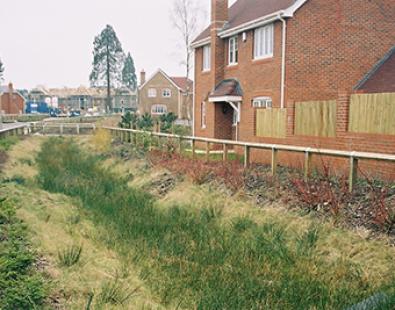
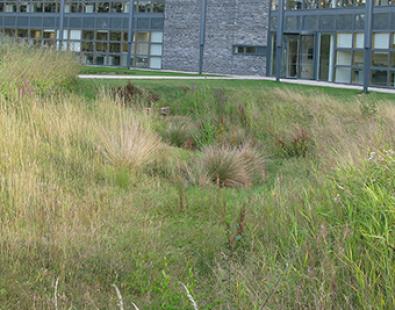
Strong emphasis is placed on integrated planning, showing how DWMPs should link to environmental objectives, investment decisions and company business plans. The guidance also promotes the use of nature based solutions and innovative technologies, supporting more sustainable and adaptive approaches to managing drainage and wastewater systems.
Supporting long‑term, sustainable water management
The published guidance provides a nationally consistent foundation for statutory DWMPs and supports compliance with the Environment Act 2021. It enables water companies to take a more strategic, long‑term view of their drainage and wastewater systems, improving transparency, resilience and confidence in planning decisions.
By strengthening how future risks and opportunities are considered, the guidance supports better outcomes for customers, communities and the environment.
Want to know more?
Contact our project lead
Bridget Woods-Ballard