Research shows complexity of water saved through bans
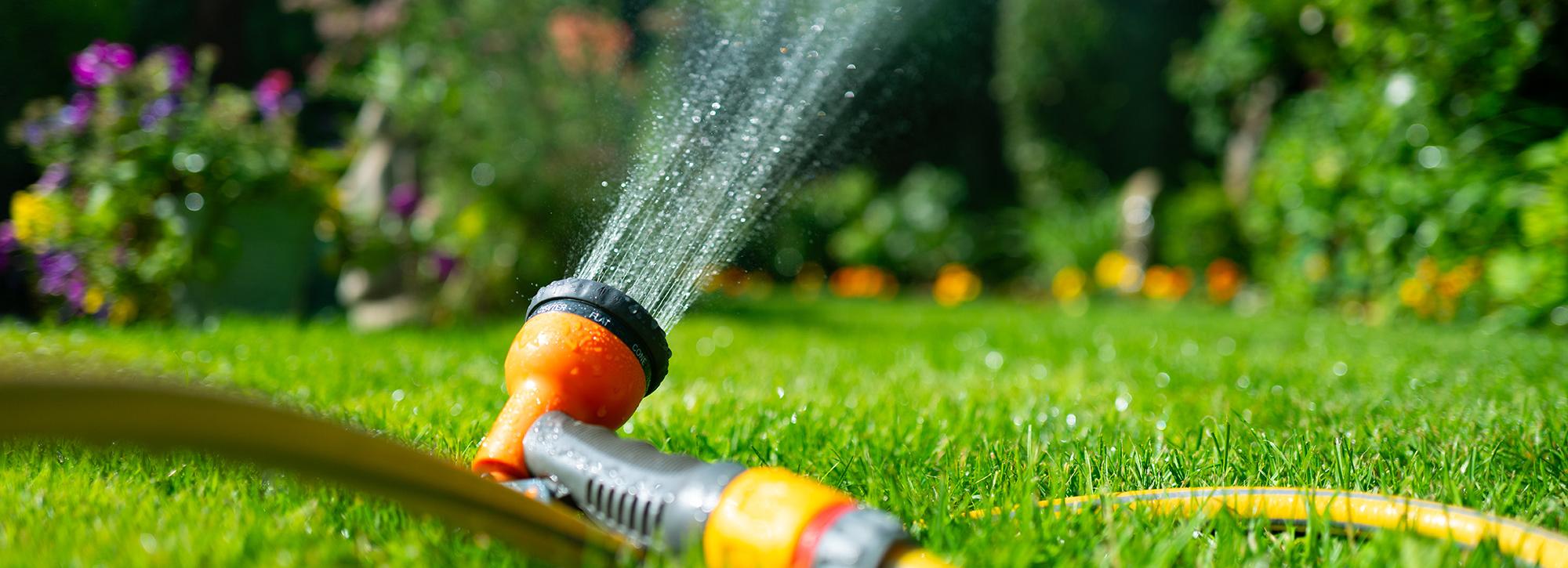
To help deal with the anticipated increase in droughts in coming years, we led a study for UKWIR into the impact of temporary use bans by water companies. The results, which showed that several factors affect people’s behaviour, can be used by water companies to prioritise investment, campaigns and research.

Droughts will increase with climate change
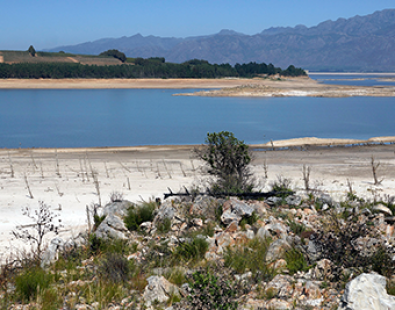
The forecast impacts of climate change include making droughts more frequent and more intense in many parts of the world, including the UK. Water demand is also expected to rise in the UK, as the population continues to grow. Companies are therefore investing in additional water supply resilience, but temporary use bans will also be needed to ensure that supplies do not run perilously low.
An important part of drought planning is understanding how customers respond to temporary use bans, and communication campaigns asking them to reduce water usage.
Study looked at impact of temporary use bans across four companies
We led a major study on behalf of UKWIR, with Artesia Consulting as delivery partner, analysing the impacts of demand measures, communications campaigns and temporary use bans (TUBs) for Yorkshire Water, Southern Water, South East Water and Thames Water during the 2025 drought.
We analysed extensive data sets, including reanalysing evidence from the 2022 and 2023 droughts, and comparing with 2025 data from Severn Trent Water and SES Water which did not introduce bans. We analysed water use across entire water resource zones, within individual District Meter Areas, and at the level of single households using smart meter data. This allowed us to see how regional demand alters during a drought and the variance in behaviour between customers from different groups and types of properties.
Behaviour is more complicated than previously thought
The results demonstrated that TUBs do help manage demand in a drought, but that customers’ behaviour is more complicated than previously thought. Our study showed that savings from TUBs depend on temperature, location and property type. Rainfall, however, is not a big factor.
Our study highlighted an interesting difference between north and south in the temperature threshold at which water usage increases. In the north, it is was above 15 degrees while demand began rising in the south over 20 degrees.
We also found that savings on unmetered properties were greater than ones with meters. Savings also varied by property time, with apartments consuming less than detached houses – almost certainly because of gardens.
It was challenging to measure the impact of communication campaigns, as they were closely linked to the bans, but they are nevertheless still viewed as necessary in the lead up to TUB implementation.
Results that will help companies with drought planning
The research shows that the impact of TUBs varies depending on a range of measurable factors, including property type, demographics, metering, and weather. The calculation to estimate savings from TUBs is therefore more complicated than previously thought, and should no longer be defined as a single percentage value for planning purposes.
Instead, the savings should be considered as quite specific for each household, District Meter Area and water resource zone, depending on a range of factors. To estimate the savings from TUBs, we recommend considering factors or algorithms which represent these complex relationships.
The results of the report can be used by water companies to prioritise investment, campaigns and research, helping them with drought plans, deployable output assessments and water resources management plans.
Want to know more?
Get in touch
Helen Wilcox