Secondary nav 2022

  • Equipment
  • Software
  • Training

Main navigation 2022

  • About
    • About HR Wallingford
    • Our leadership
    • Our people
    • Our impact
      • Annual report & financial statements
      • Gender pay
      • Social impact
      • Sustainability
    • Our story
    • News
    • Insight articles
    • Policies
  • Projects
  • Expertise
    • Coastal & marine sustainability
      • Coastal hazards & resilience
      • Coastal morphology & sediment dynamics
      • Dredging and sediment management
      • Marine & coastal environment
      • Ports, harbours and shipping
      • Subsea engineering
      • Waterfronts, marinas and resorts
    • Energy transition
      • Fixed offshore wind
      • Floating offshore wind
      • Liquified gas & transition fuels
      • Nuclear
      • Wave, tidal, solar & hydropower
    • Water & climate resilience
      • Dams & reservoirs
      • Freshwater environment
      • Integrated flood management
      • Surface water systems
      • Water management for climate resilient development
      • Water supply & drought resilience
  • Facilities
    • Explore our facilities
    • Ship simulation
      • Australia Ship Simulation Centre
      • UK Ship Simulation Centre
    • Physical modelling
      • Fast Flow Facility
      • Tsunami simulator
      • Volumetric flow flume
      • Wave basins
      • Wave flumes
      • Erosion rate measurement
      • Water rescue training
  • Careers
    • Careers overview
    • Working at HR Wallingford
    • Job opportunities
  • Contact
  • About
    • About HR Wallingford
    • Our leadership
    • Our people
    • Our impact
      • Annual report & financial statements
      • Gender pay
      • Social impact
      • Sustainability
    • Our story
    • News
    • Insight articles
    • Policies
  • Projects
  • Expertise
    • Coastal & marine sustainability
      • Coastal hazards & resilience
      • Coastal morphology & sediment dynamics
      • Dredging and sediment management
      • Marine & coastal environment
      • Ports, harbours and shipping
      • Subsea engineering
      • Waterfronts, marinas and resorts
    • Energy transition
      • Fixed offshore wind
      • Floating offshore wind
      • Liquified gas & transition fuels
      • Nuclear
      • Wave, tidal, solar & hydropower
    • Water & climate resilience
      • Dams & reservoirs
      • Freshwater environment
      • Integrated flood management
      • Surface water systems
      • Water management for climate resilient development
      • Water supply & drought resilience
  • Facilities
    • Explore our facilities
    • Ship simulation
      • Australia Ship Simulation Centre
      • UK Ship Simulation Centre
    • Physical modelling
      • Fast Flow Facility
      • Tsunami simulator
      • Volumetric flow flume
      • Wave basins
      • Wave flumes
      • Erosion rate measurement
      • Water rescue training
  • Careers
    • Careers overview
    • Working at HR Wallingford
    • Job opportunities
  • Contact
  1. Home >
  2. Projects >
  3. Managing the future of groundwater in Belize
Managing the future of groundwater in Belize

Share

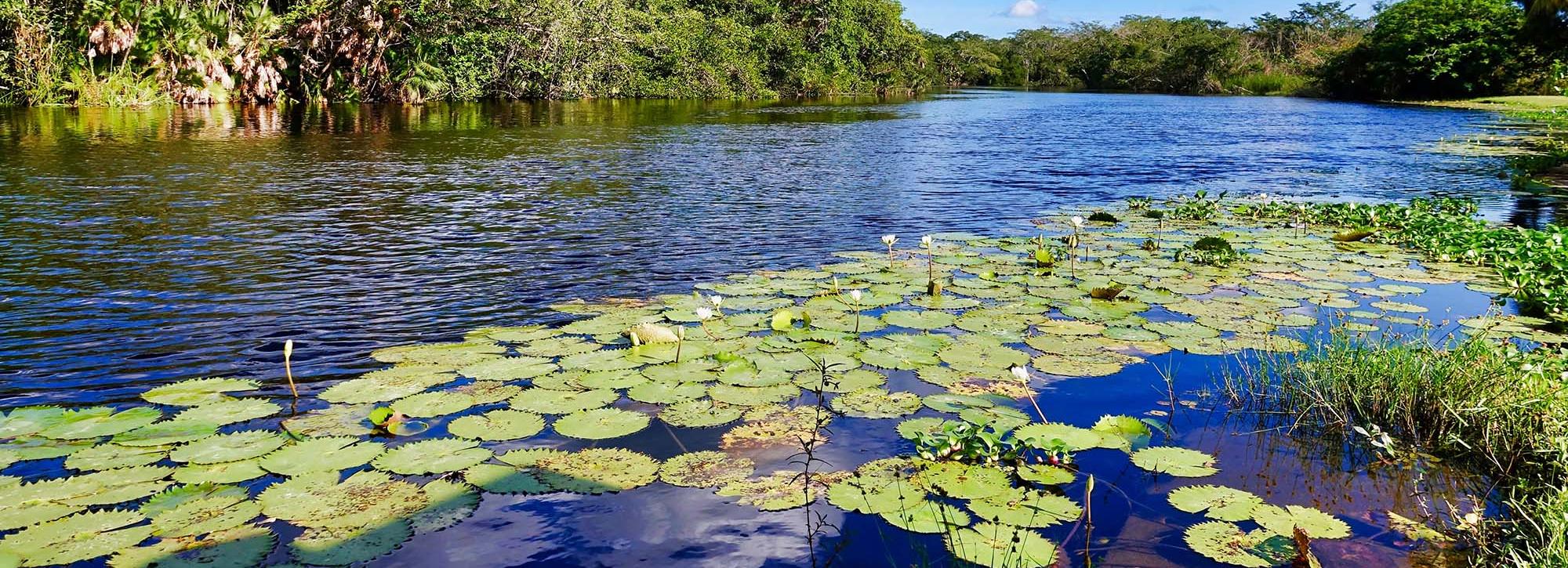
Belize faces increasing groundwater pressure due to population growth, agriculture, and climate change. HR Wallingford developed a new groundwater monitoring system to help manage and protect this vital resource.

Belize, once considered water-rich with abundant rivers, wetlands, and aquifers, now faces growing pressure on its groundwater. Groundwater supplies drinking water for 60% of Belizeans and supports biodiversity and a growing ecotourism sector. However, population growth and agricultural expansion have increased this pressure. Limited monitoring of aquifers and groundwater use, along with a sharp rise in fertiliser and pesticide use, threaten groundwater quality.

Severe droughts in 2019 and 2021 worsened these issues, causing low flows and eutrophication in the New River in northern Belize, endangering ecosystems. Climate change projections indicate hotter, drier conditions in future, reducing groundwater recharge, and increasing water demand especially for agriculture. This highlights the need for enhanced monitoring and management of groundwater resources. 

HR Wallingford designed a groundwater monitoring and management system for the New River catchment in Belize that includes long term management and upscaling to the national level over time. The project, funded by the United Nations Climate Technology Centre & Network, was implemented by the Belize National Hydrological Service and National Climate Change Office.

The monitoring system was designed to meet the needs of users, while being financially and technically sustainable. Users have been at the centre of the consultation process which has been an important part of the design. It was also important to hear from organisations in the region which had implemented similar systems, and learn from their lessons. 

While sophisticated automatic monitoring systems with dataloggers and telemetry systems provide a high level of control and autonomy, sustaining the funding and expertise to keep them running is often a challenge. Community based monitoring of groundwater systems offers a simpler solution, which also engages communities in water management, but this comes with its own challenges. The system design in Belize uses a mixture of automatic and manual community based monitoring stations to balance the benefits and risks.

The next steps include installing the system in northern Belize, followed by learning, adapting, and scaling it nationally, supported by the National Hydrological Service’s commitment and a growing awareness of groundwater’s importance to Belize’s future.

Contact our project lead

George Woolhouse

Principal Scientist
Contact Profile

Explore more

  • All
  • Project
  • Expertise
  • News
  • Insight
  • Facility

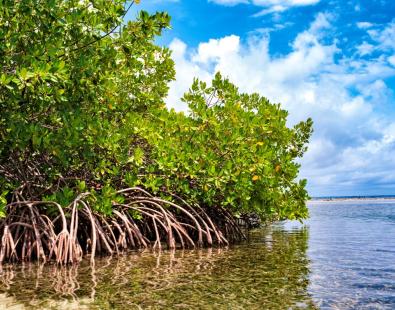
From ecosystems to insurance: nature’s role in reducing coastal flooding

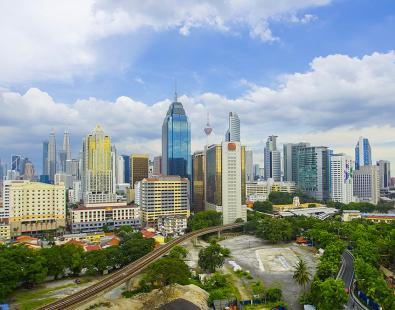
City skyline of Kuala Lumpur Malayasia

D-MOSS country case study: Malaysia

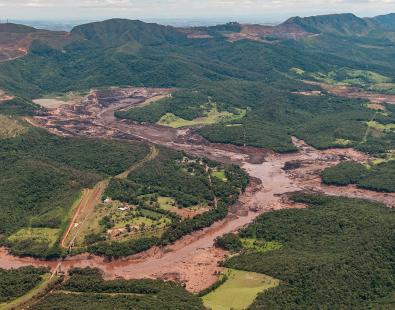
An aerial photo of the Brumadinho dam disaster in Brazil

Monitoring dams from space

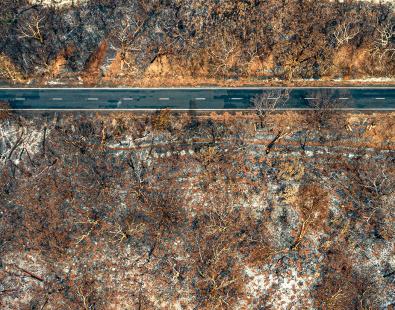
A forest burned by bush fire with a road running through it

Securing vital healthcare supplies during natural disasters

Picture of a satellite in space around the Earth

Flood-impact forecasting: the new frontier for EO

A mosquito on a green leaf

Satellites vs mosquitoes

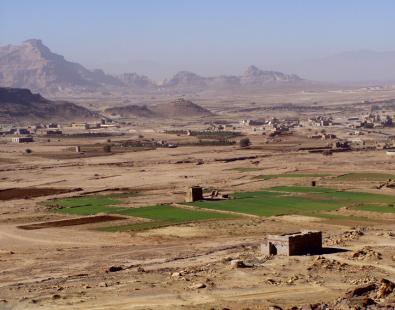
View of desert in Yemen

Yemen embraces pioneering space technology to manage water crisis

Zac Nash learning over the yellow, surfboard-shaped ARCboat.

Fish tracking research collaboration checks out sustainable developments

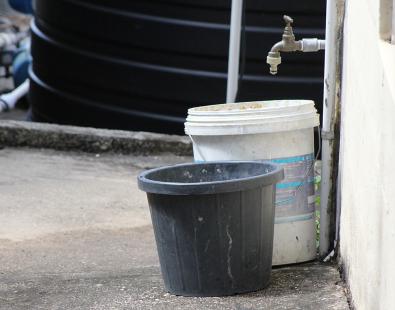
Buckets of water to show water supplies issue in the Caribbean

Small island states: opportunities for building climate resilience

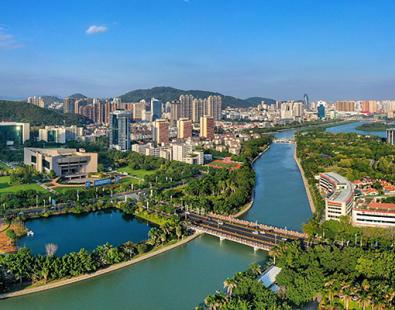
Sponge cities get the blue-green light

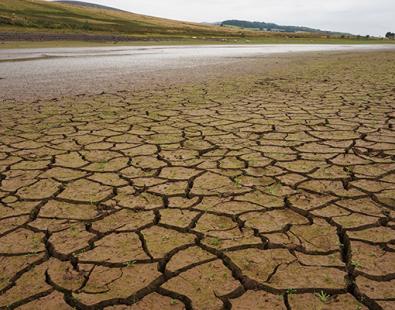
Tackling extreme droughts

view of Nurek reservoir sedimentation

Securing the future of hydropower in Tajikistan

We are global leaders and independent experts in how to live and work sustainably with water

Social media

  • BlueSky
  • LinkedIn
  • YouTube

Expertise

  • Coastal & marine
  • Energy transition
  • Water & climate
  • Software solutions
  • Equipment & technology

Company

  • About
  • Careers
  • News
  • Insights
  • Sustainability

Legal

  • Privacy & data protection
  • Policies
  • Modern slavery statement
  • Terms & conditions
  • Sitemap
© 2026 HR Wallingford
Contact