Secondary nav 2022

  • Equipment
  • Software
  • Training

Main navigation 2022

  • About
    • About HR Wallingford
    • Our leadership
    • Our people
    • Our impact
      • Annual report & financial statements
      • Gender pay
      • Social impact
      • Sustainability
    • Our story
    • News
    • Insight articles
    • Policies
  • Projects
  • Expertise
    • Coastal & marine sustainability
      • Coastal hazards & resilience
      • Coastal morphology & sediment dynamics
      • Dredging and sediment management
      • Marine & coastal environment
      • Ports, harbours and shipping
      • Subsea engineering
      • Waterfronts, marinas and resorts
    • Energy transition
      • Fixed offshore wind
      • Floating offshore wind
      • Liquified gas & transition fuels
      • Nuclear
      • Wave, tidal, solar & hydropower
    • Water & climate resilience
      • Dams & reservoirs
      • Freshwater environment
      • Integrated flood management
      • Surface water systems
      • Water management for climate resilient development
      • Water supply & drought resilience
  • Facilities
    • Explore our facilities
    • Ship simulation
      • Australia Ship Simulation Centre
      • UK Ship Simulation Centre
    • Physical modelling
      • Fast Flow Facility
      • Tsunami simulator
      • Volumetric flow flume
      • Wave basins
      • Wave flumes
      • Erosion rate measurement
      • Water rescue training
  • Careers
    • Careers overview
    • Working at HR Wallingford
    • Job opportunities
  • Contact
  • About
    • About HR Wallingford
    • Our leadership
    • Our people
    • Our impact
      • Annual report & financial statements
      • Gender pay
      • Social impact
      • Sustainability
    • Our story
    • News
    • Insight articles
    • Policies
  • Projects
  • Expertise
    • Coastal & marine sustainability
      • Coastal hazards & resilience
      • Coastal morphology & sediment dynamics
      • Dredging and sediment management
      • Marine & coastal environment
      • Ports, harbours and shipping
      • Subsea engineering
      • Waterfronts, marinas and resorts
    • Energy transition
      • Fixed offshore wind
      • Floating offshore wind
      • Liquified gas & transition fuels
      • Nuclear
      • Wave, tidal, solar & hydropower
    • Water & climate resilience
      • Dams & reservoirs
      • Freshwater environment
      • Integrated flood management
      • Surface water systems
      • Water management for climate resilient development
      • Water supply & drought resilience
  • Facilities
    • Explore our facilities
    • Ship simulation
      • Australia Ship Simulation Centre
      • UK Ship Simulation Centre
    • Physical modelling
      • Fast Flow Facility
      • Tsunami simulator
      • Volumetric flow flume
      • Wave basins
      • Wave flumes
      • Erosion rate measurement
      • Water rescue training
  • Careers
    • Careers overview
    • Working at HR Wallingford
    • Job opportunities
  • Contact
  1. Home >
  2. Projects >
  3. Empowering communities to manage local flood risk
Empowering communities to manage local flood risk

Share
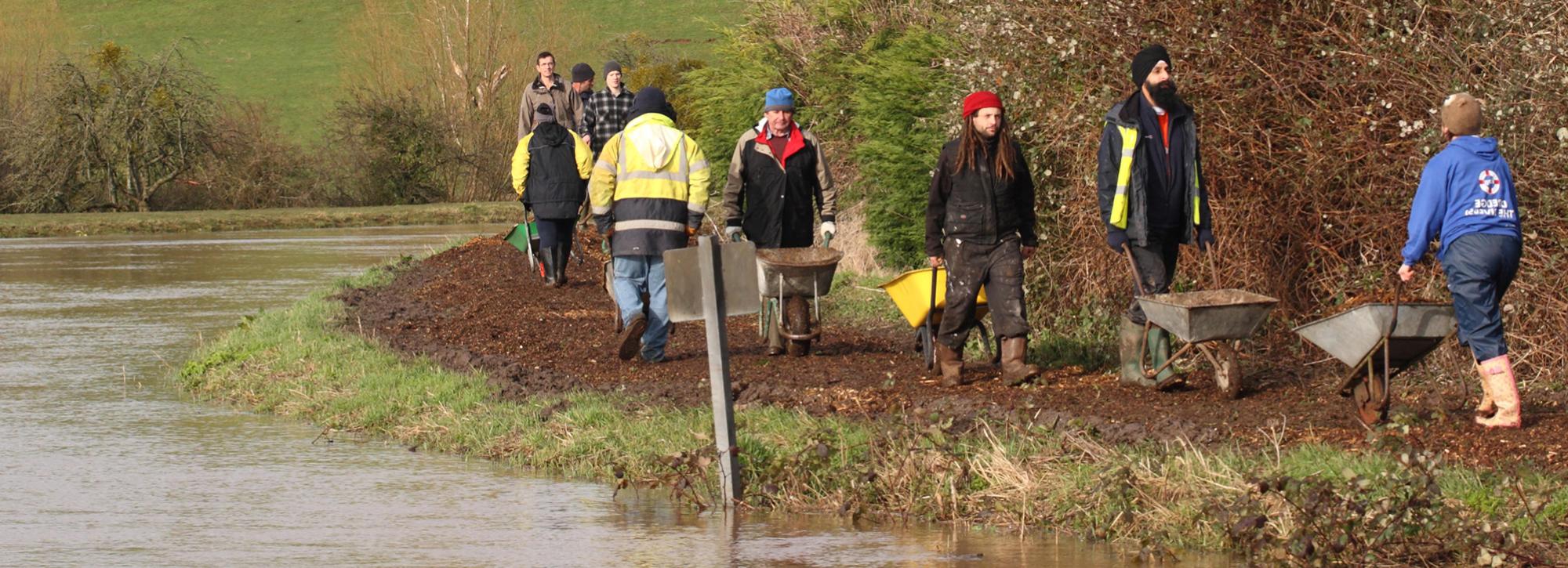
view of people helping during a flood event

As floods become more frequent and severe, more communities in the UK are facing the devastating impacts of these events. This project aims to equip local community groups with the knowledge and tools they need to play an active role in managing flood risk in their areas. It also provides risk management authorities with practical guidance on how to effectively collaborate with these groups.

From bystanders to stakeholders

Protecting individual properties from flooding is vital - but when residents come together, they can achieve much more. Many people are willing to form local groups to help manage local flood risk and protect their neighbourhoods and, with the right support, these groups can make a real difference. Community-led maintenance, when aligned with risk management authorities’ (RMAs) efforts, can significantly boost local flood resilience.

As part of this CIRIA-funded project, we are developing two sets of guidance: one for community groups, and one for RMAs. The goal is simple: make it easier for both sides to work together, safely and effectively.

Led by HR Wallingford, the project team includes experts from the National Flood Forum, Eunomia Research and Consulting, Abertay University, and the Flood Hazard Research Centre at Middlesex University.

What communities can do

The guidance for community groups outlines what kinds of maintenance activities are safe and appropriate - like clearing debris from drains or reporting blockages in watercourses. It also explains when to act, when to step back, and how to communicate with RMAs, or other relevant authorities, when faced with bigger issues. Crucially, it will also help groups to track their actions and stay coordinated.

What authorities need to know

For RMAs, the guidance offers a roadmap for collaboration. It shows how to support and empower local groups, how to build trust, and how to integrate community efforts into broader flood risk strategies, for example the routine maintenance of local flood risk management assets in relation to surface water systems and ordinary watercourses.

Building on real-world insights

We have engaged with community groups, technical experts, and stakeholders, and reviewed case studies and existing literature. This has helped identify current challenges, best practices, and opportunities for improvement. 

A phased approach

The first phase of the project, completed in 2023, laid the groundwork by identifying key principles and reviewing existing policies. Phase two, now underway and set to wrap up in summer 2025, is focused on delivering the guidance documents.

Why it matters

Once published, the guidance documents will serve as a go-to resource for communities ready to take action. They will help ensure that local maintenance efforts are safe, coordinated, and effective - strengthening flood resilience and fostering stronger community ties in the process.

Contact our project lead

Bridget Woods-Ballard
Technical Director
Contact Profile

Explore more

  • All
  • Project
  • Expertise
  • News
  • Insight
  • Facility

From ecosystems to insurance: nature’s role in reducing coastal flooding

The Thames Barrier – a gateway to innovation

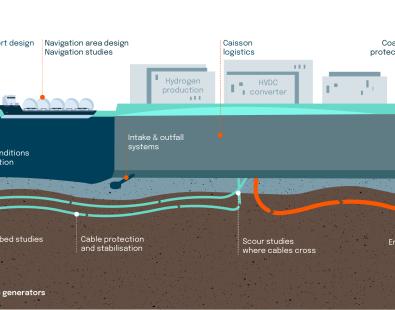
infographics showing energy islands scheme

Energy islands’ sustainable credentials rest on good advice

Fogging to eliminate mosquitos

Games people play

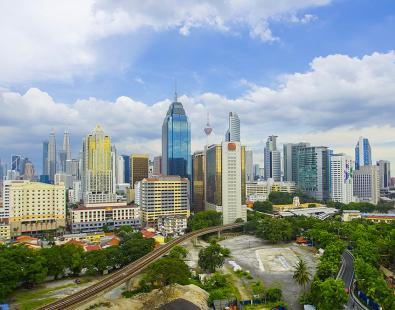
City skyline of Kuala Lumpur Malayasia

D-MOSS country case study: Malaysia

A forest burned by bush fire with a road running through it

Securing vital healthcare supplies during natural disasters

Picture of a satellite in space around the Earth

Flood-impact forecasting: the new frontier for EO

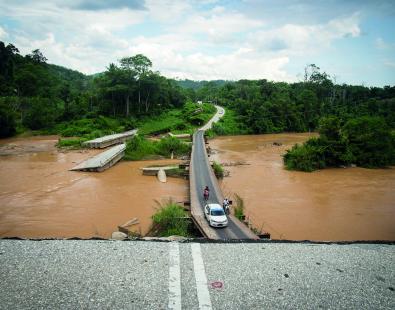
View of a bridge destroyed by flooding in Eastern Malaysia

Malaysia raises the bar for tropical flood forecasting

View of a tropical storm on a beach with palm trees

COP26 analysis: financing climate adaptation needs to be taken seriously

Could a vital spark revive coastal shipping in UK?

View of desert in Yemen

Yemen embraces pioneering space technology to manage water crisis

Flooding advances: learning to live with rising waters

We are global leaders and independent experts in how to live and work sustainably with water

Social media

  • BlueSky
  • LinkedIn
  • YouTube

Expertise

  • Coastal & marine
  • Energy transition
  • Water & climate
  • Software solutions
  • Equipment & technology

Company

  • About
  • Careers
  • News
  • Insights
  • Sustainability

Legal

  • Privacy & data protection
  • Policies
  • Modern slavery statement
  • Terms & conditions
  • Sitemap
© 2026 HR Wallingford
Contact