Secondary nav 2022

  • Equipment
  • Software
  • Training

Main navigation 2022

  • About
    • About HR Wallingford
    • Our leadership
    • Our people
    • Our impact
      • Annual report & financial statements
      • Gender pay
      • Social impact
      • Sustainability
    • Our story
    • News
    • Insight articles
    • Policies
  • Projects
  • Expertise
    • Coastal & marine sustainability
      • Coastal hazards & resilience
      • Coastal morphology & sediment dynamics
      • Dredging and sediment management
      • Marine & coastal environment
      • Ports, harbours and shipping
      • Subsea engineering
      • Waterfronts, marinas and resorts
    • Energy transition
      • Fixed offshore wind
      • Floating offshore wind
      • Liquified gas & transition fuels
      • Nuclear
      • Wave, tidal, solar & hydropower
    • Water & climate resilience
      • Dams & reservoirs
      • Freshwater environment
      • Integrated flood management
      • Surface water systems
      • Water management for climate resilient development
      • Water supply & drought resilience
  • Facilities
    • Explore our facilities
    • Ship simulation
      • Australia Ship Simulation Centre
      • UK Ship Simulation Centre
    • Physical modelling
      • Fast Flow Facility
      • Tsunami simulator
      • Volumetric flow flume
      • Wave basins
      • Wave flumes
      • Erosion rate measurement
      • Water rescue training
  • Careers
    • Careers overview
    • Working at HR Wallingford
    • Job opportunities
  • Contact
  • About
    • About HR Wallingford
    • Our leadership
    • Our people
    • Our impact
      • Annual report & financial statements
      • Gender pay
      • Social impact
      • Sustainability
    • Our story
    • News
    • Insight articles
    • Policies
  • Projects
  • Expertise
    • Coastal & marine sustainability
      • Coastal hazards & resilience
      • Coastal morphology & sediment dynamics
      • Dredging and sediment management
      • Marine & coastal environment
      • Ports, harbours and shipping
      • Subsea engineering
      • Waterfronts, marinas and resorts
    • Energy transition
      • Fixed offshore wind
      • Floating offshore wind
      • Liquified gas & transition fuels
      • Nuclear
      • Wave, tidal, solar & hydropower
    • Water & climate resilience
      • Dams & reservoirs
      • Freshwater environment
      • Integrated flood management
      • Surface water systems
      • Water management for climate resilient development
      • Water supply & drought resilience
  • Facilities
    • Explore our facilities
    • Ship simulation
      • Australia Ship Simulation Centre
      • UK Ship Simulation Centre
    • Physical modelling
      • Fast Flow Facility
      • Tsunami simulator
      • Volumetric flow flume
      • Wave basins
      • Wave flumes
      • Erosion rate measurement
      • Water rescue training
  • Careers
    • Careers overview
    • Working at HR Wallingford
    • Job opportunities
  • Contact
  1. Home >
  2. Projects >
  3. Setting the standards for fish passes
Setting the standards for fish passes

Share
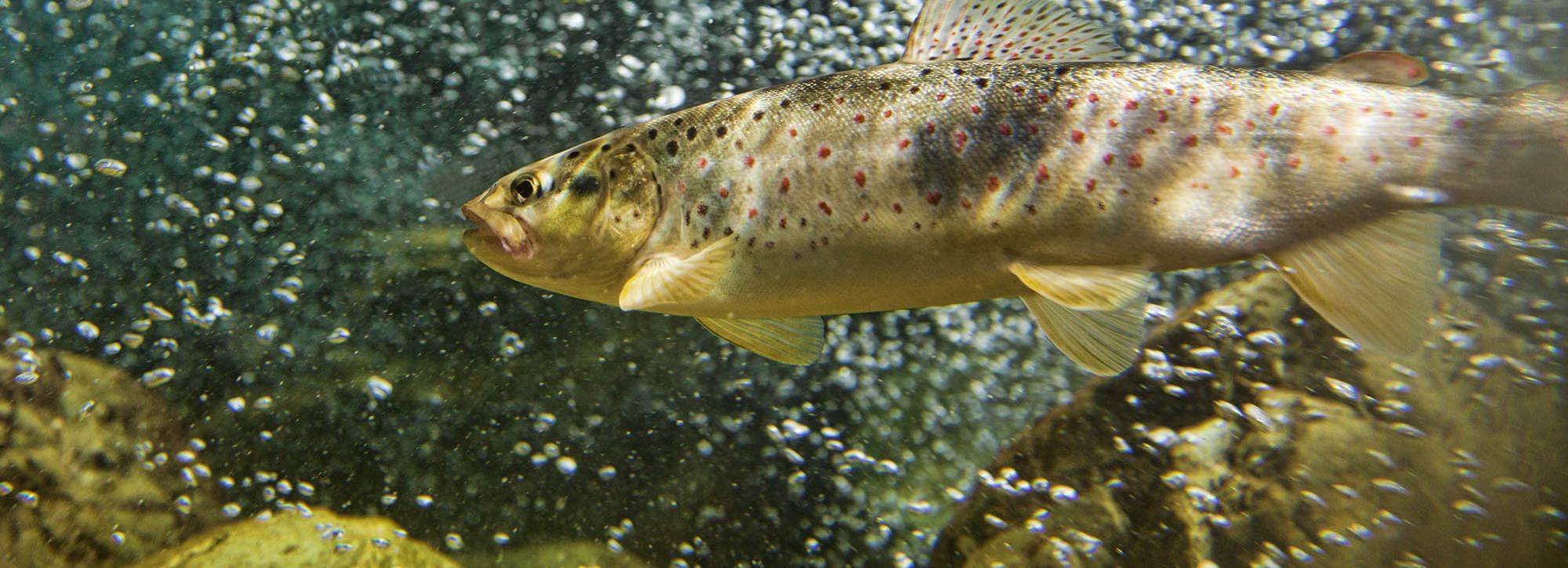
Brown trout in river

Accurate flow measurements at weirs are essential for managing flood risk, which is increasing with climate change. Allowing fish to pass safely while not affecting the accuracy of these measurements is crucial. 

We have been investigating the impact of fish passes on flow measurement for decades, providing essential input in to the standards used to design these important structures. 

The EU Water Framework Directive aims to improve Europe’s river basins by setting environmental goals. Fish populations are key ecological indicators of water health, but weirs used for flow gauging often block their movement. Fish passes help fish navigate these barriers without stress or injury, but they can be costly and affect flow measurement accuracy.

We have been investigating the impact of fishpasses at flow measurement structures for over 20 years. Most recently, we’ve explored solutions like low-cost baffles that make fish passes more affordable and easier to install, even on existing weirs. Our research has informed British Standards for fish passes, including BS ISO 26906:2009 Hydrometry - Fishpasses at Flow Measurement Structures, and the new BS ISO 19234:2024 Hydrometry - Low cost baffles to aid fish passage on triangular profile gauging weirs. 
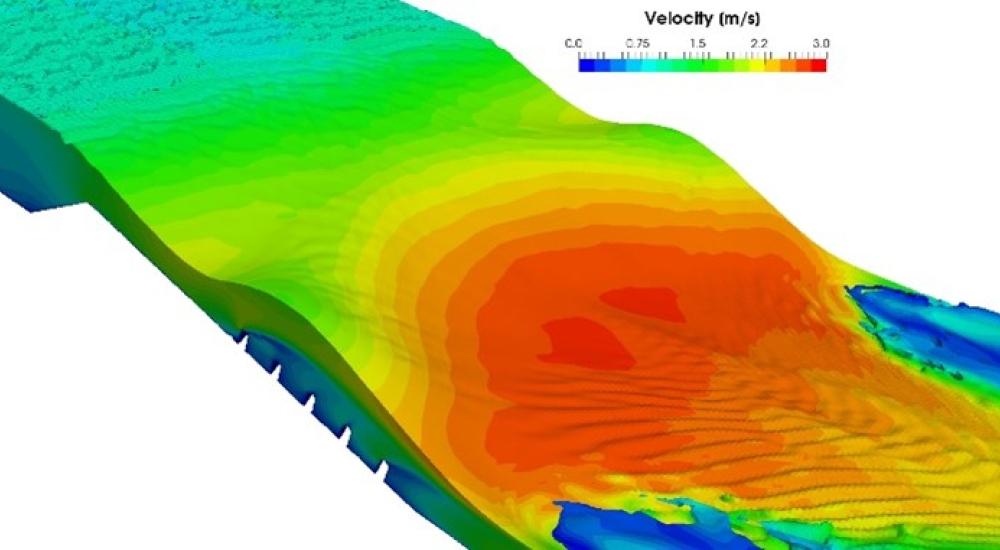
View of computational output of fish passes

Testing these structures in our Volumetric Flow Flume (25m long, 2.4m wide and 0.9m deep) was a fundamental part of the process, allowing us to obtain extremely accurate data on the flow discharge curve of weirs that are fitted with fish passes. We’ve also used computational fluid dynamics (CFD) to complement laboratory investigations. CFD allowed for extending data ranges to higher water levels, providing confidence that baffles at an adequate distance from the weir crest won’t affect the gauging curve of the weir. This method also reduces study time and costs.

Weirs are important infrastructure, and this work is crucial for flood risk management and the sustainability of communities it affects, as well as for the well-being of migratory fish. HR Wallingford’s expertise and innovative approaches are paving the way for more effective and economical fish passes.

Contact our project lead

Manuela Escarameia

Technical Director
Contact Profile

Explore more

  • All
  • Project
  • Expertise
  • News
  • Insight
  • Facility
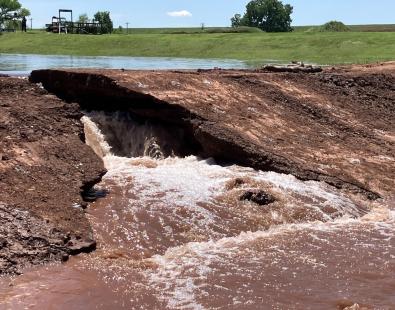
View of a dam breach experiment

Dam and levee models assessed for predicting internally initiated breaches

View of a dam breach experiment

Dam and levee models assessed for predicting internally initiated breaches

Drainage and Wastewater Management guidance

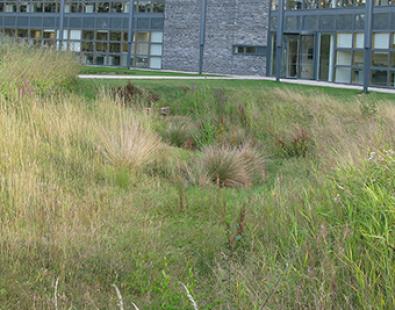
Rainwater Management Platform: transforming how the UK manages rainwater

SuDS iQ: a digital environment for evaluating and planning good SuDS

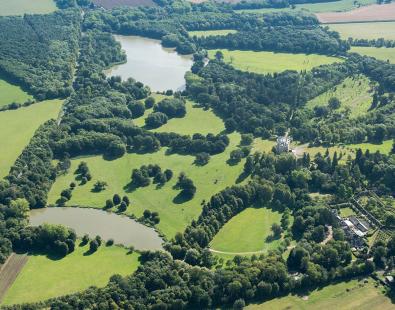
Buscot Park lake: a heritage dam reinvented

Automating biodiversity impact assessments with Earth observation

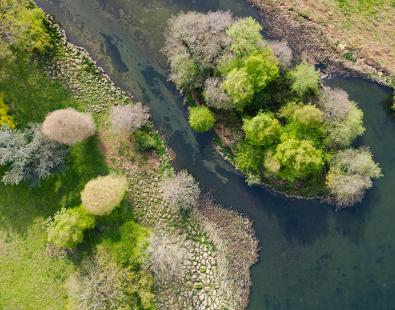
Aerial view of a meandering river

A new Environmental Destination framework

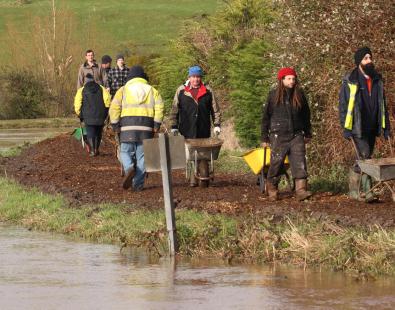
view of people helping during a flood event

Empowering communities to manage local flood risk

Flood early warning system to support tropical cyclone relief

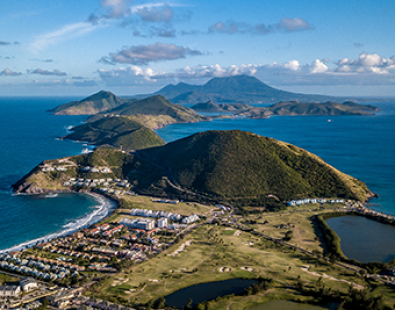
Aerial view of St Kitts and Nevis Caribbean island

St Kitts and Nevis Climate Risk Intelligence Data Infrastructure

view of drought impacts in South Africa

Designing climate services in South Africa

We are global leaders and independent experts in how to live and work sustainably with water

Social media

  • BlueSky
  • LinkedIn
  • YouTube

Expertise

  • Coastal & marine
  • Energy transition
  • Water & climate
  • Software solutions
  • Equipment & technology

Company

  • About
  • Careers
  • News
  • Insights
  • Sustainability

Legal

  • Privacy & data protection
  • Policies
  • Modern slavery statement
  • Terms & conditions
  • Sitemap
© 2026 HR Wallingford
Contact