Secondary nav 2022

  • Equipment
  • Software
  • Training

Main navigation 2022

  • About
    • About HR Wallingford
    • Our leadership
    • Our people
    • Our impact
      • Annual report & financial statements
      • Gender pay
      • Social impact
      • Sustainability
    • Our story
    • News
    • Insight articles
    • Policies
  • Projects
  • Expertise
    • Coastal & marine sustainability
      • Coastal hazards & resilience
      • Coastal morphology & sediment dynamics
      • Dredging and sediment management
      • Marine & coastal environment
      • Ports, harbours and shipping
      • Subsea engineering
      • Waterfronts, marinas and resorts
    • Energy transition
      • Fixed offshore wind
      • Floating offshore wind
      • Liquified gas & transition fuels
      • Nuclear
      • Wave, tidal, solar & hydropower
    • Water & climate resilience
      • Dams & reservoirs
      • Freshwater environment
      • Integrated flood management
      • Surface water systems
      • Water management for climate resilient development
      • Water supply & drought resilience
  • Facilities
    • Explore our facilities
    • Ship simulation
      • Australia Ship Simulation Centre
      • UK Ship Simulation Centre
    • Physical modelling
      • Fast Flow Facility
      • Tsunami simulator
      • Volumetric flow flume
      • Wave basins
      • Wave flumes
      • Erosion rate measurement
      • Water rescue training
  • Careers
    • Careers overview
    • Working at HR Wallingford
    • Job opportunities
  • Contact
  • About
    • About HR Wallingford
    • Our leadership
    • Our people
    • Our impact
      • Annual report & financial statements
      • Gender pay
      • Social impact
      • Sustainability
    • Our story
    • News
    • Insight articles
    • Policies
  • Projects
  • Expertise
    • Coastal & marine sustainability
      • Coastal hazards & resilience
      • Coastal morphology & sediment dynamics
      • Dredging and sediment management
      • Marine & coastal environment
      • Ports, harbours and shipping
      • Subsea engineering
      • Waterfronts, marinas and resorts
    • Energy transition
      • Fixed offshore wind
      • Floating offshore wind
      • Liquified gas & transition fuels
      • Nuclear
      • Wave, tidal, solar & hydropower
    • Water & climate resilience
      • Dams & reservoirs
      • Freshwater environment
      • Integrated flood management
      • Surface water systems
      • Water management for climate resilient development
      • Water supply & drought resilience
  • Facilities
    • Explore our facilities
    • Ship simulation
      • Australia Ship Simulation Centre
      • UK Ship Simulation Centre
    • Physical modelling
      • Fast Flow Facility
      • Tsunami simulator
      • Volumetric flow flume
      • Wave basins
      • Wave flumes
      • Erosion rate measurement
      • Water rescue training
  • Careers
    • Careers overview
    • Working at HR Wallingford
    • Job opportunities
  • Contact
  1. Home >
  2. Projects >
  3. Water for tomorrow

Water for tomorrow

Share
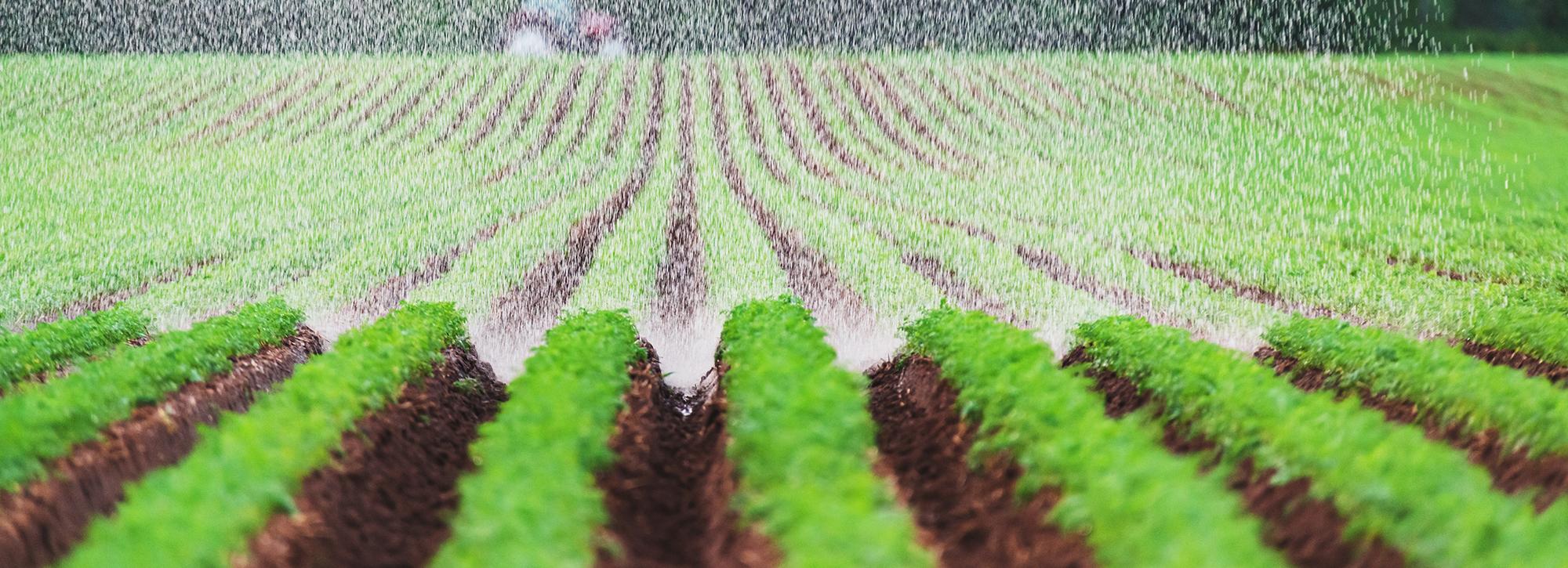
View of carrot fields being watered

Access to water is vital for people and industry. But with the pressure of increasing demand and the impact of climate change, the UK government has set targets to significantly reduce water abstraction in England by 2050 to safeguard ecosystems and environments.

Funding
Water for Tomorrow
Location
UK

As part of the Water for Tomorrow project, we helped the Water Resources East regional group to understand the challenges they are facing when it comes to managing this deficit, particularly in relation to agricultural users, to find ways to help them adapt effectively.

Meeting targets for reduced abstraction

In 2020, the Environment Agency published the National Framework for Water Resources which called for a reduction in water abstraction by 2050 – by 100% in some cases. This, when combined with the impact of climate change and population growth, puts extra pressure on water consumers from different sectors – including those in agriculture who rely on abstraction for irrigation. We helped Water Resources East to investigate the options available to irrigators to help them make up supply lost through abstraction reduction. 
Exploring a suite of interventions

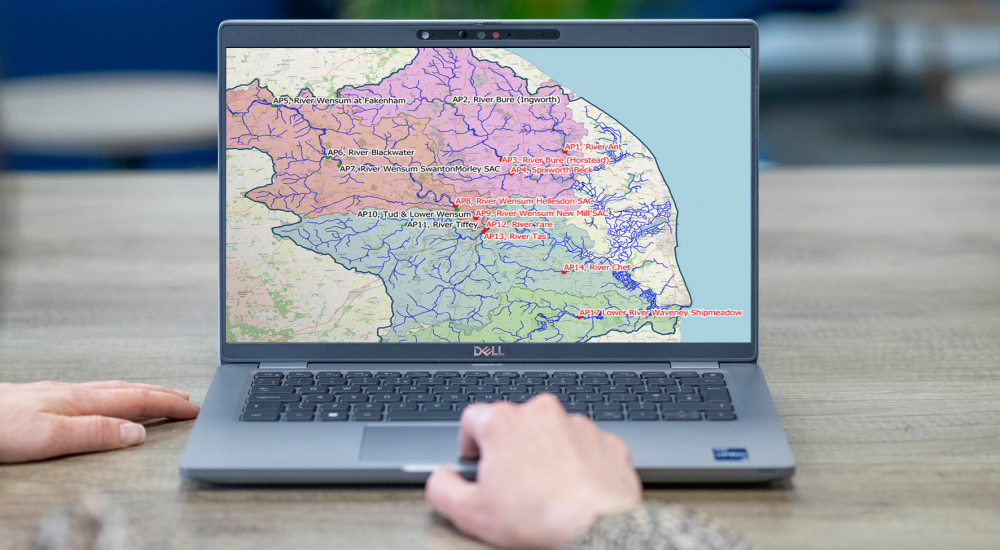
We looked at options for technical interventions, behavioural change and nature-based solutions, then quantified the impact of each of these would have under different future scenarios for catchments in the Broadlands, East Anglia. Using our expertise in water resources and hydrological modelling, we were able to explore how we might support a wide range of water users while protecting the environment. 

We showed that significant catchment investments such as winter storage are likely to be required, and that these could enhance drought resilience in the near-term. While nature-based solutions offer a range of benefits to a catchment, they are not expected to deliver significant water resource benefits. 

Planning for a secure water future

Our team provided valuable insights into the scale of investment required for on-farm winter storage, and how much flow benefit we can expect from the selected nature-based solutions to effectively tackle the challenge of water security for the agriculture sector in England.

We showed that managing demand will become increasingly more impactful where securing further supply sources becomes challenging. In the context of irrigation, this might include adaptations such as the use of advanced irrigation technology and equipment, water-efficient agricultural practice or change in crop type, for example.

Contact our project lead

Andrew Ball
Technical director
Contact Profile

Explore more

  • All
  • Project
  • Expertise
  • News
  • Insight
  • Facility

National leakage centre scoped out

People with John Compton dam

Project to ensure future water security for Saint Lucia

Manchester Prize selects Sapphire to help rivers sparkle

HR Wallingford and World Bank staff in high visibility jackets standing for a picture in Port of Aktau on Caspian sea

Caspian Sea water levels study to inform Aktau Port adaptation

Three people holding SDG flag in front of office building in Howbery Park, Oxfordshire

Flag raised in support of UN Sustainable Development Goals

Screenshot of Bahamas Storm Surge Atlas

Storm Surge Atlas brings hope to hurricane-hit islands

Testing the Hadley FloodSAFE house in our flood testing facilities

Innovative FloodSafe house moves in

Diagram of national leakage centre

National leakage centre receives funding

Flood protection approach draws on statistical method from medicine

Picture of a satellite in space around the Earth

Space data to secure vital healthcare supply chains

Chalk stream west stow

Project to assess optimal ways of protecting precious chalk streams

Aerial view of a reservoir with water

DAMSAT shortlisted for two NCE TechFest awards

We are global leaders and independent experts in how to live and work sustainably with water

Social media

  • BlueSky
  • LinkedIn
  • YouTube

Expertise

  • Coastal & marine
  • Energy transition
  • Water & climate
  • Software solutions
  • Equipment & technology

Company

  • About
  • Careers
  • News
  • Insights
  • Sustainability

Legal

  • Privacy & data protection
  • Policies
  • Modern slavery statement
  • Terms & conditions
  • Sitemap
© 2026 HR Wallingford
Contact