Ports, harbours & shipping
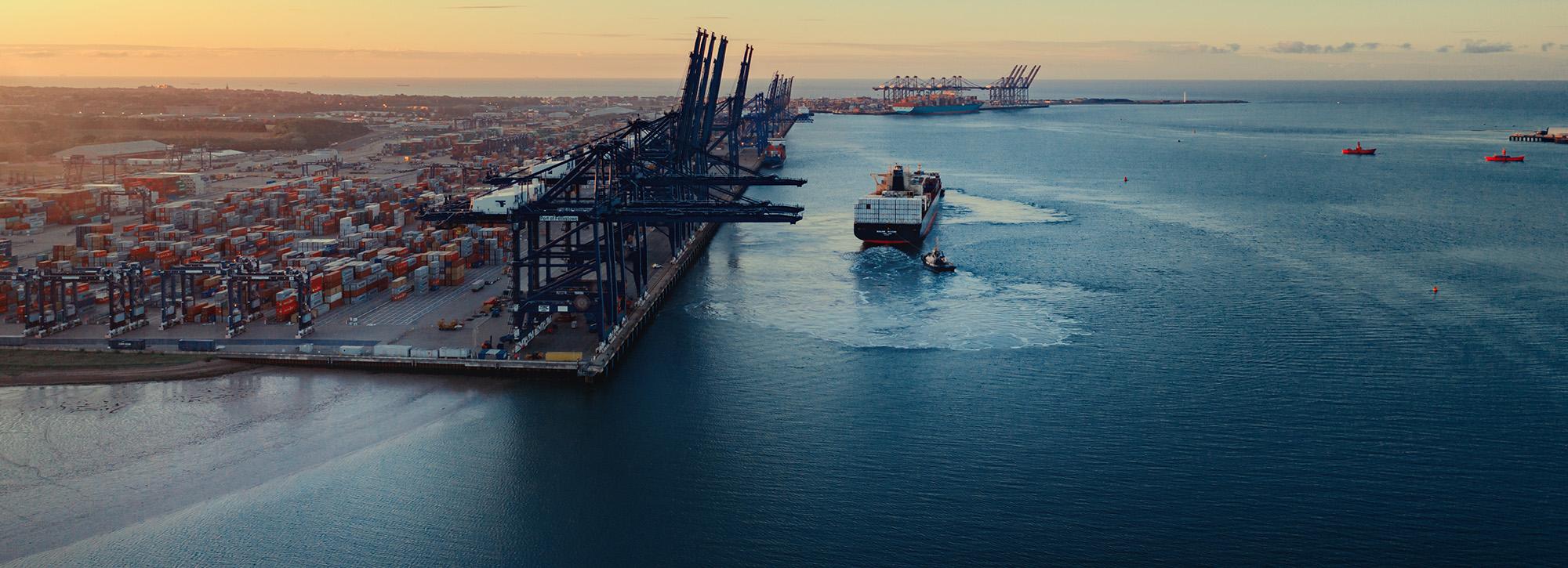
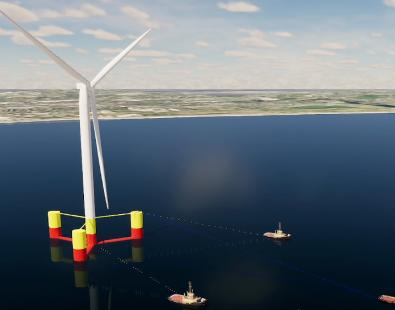
Our work supports ports, harbours, coastal authorities and shipping operators responding to climate pressures, operational complexity and emerging opportunities such as floating offshore wind. We combine strategic port master planning, coastal structures expertise, world‑leading modelling and immersive ship simulation to help clients make informed decisions. Our people focus on improving safety, resilience and sustainability while enabling efficient trade, navigation and long‑term growth.
Responding to climate pressures and sector change
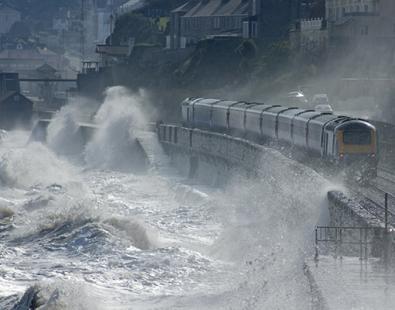
Ports and coastal infrastructure are increasingly exposed to climate risks. Sea‑level rise, more extreme waves, storm surges and shifting sediment patterns place greater stress on breakwaters, quay walls and navigation channels. Global shipping routes, vessel sizes and environmental standards continue to evolve, while new industries such as floating offshore wind - require deeper water access, larger quaysides and new logistical capabilities. These pressures demand long‑term planning and infrastructure designed for resilience, flexibility and future growth.
Meeting complex operational and strategic challenges
Port operators need to balance safety, environmental performance and day‑to‑day efficiency. Their challenges range from optimising existing layouts to planning entirely new developments. These include designing robust coastal structures, improving berthing and mooring conditions, preparing for new types of installation and maintenance vessels, and reducing operational downtime. Many ports are also re‑evaluating capacity and access requirements to support floating offshore wind manufacturing, assembly and servicing.
Supporting planning, design and operational decision‑making
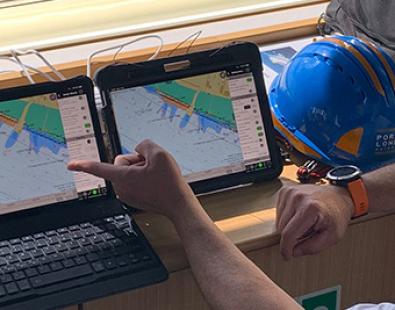
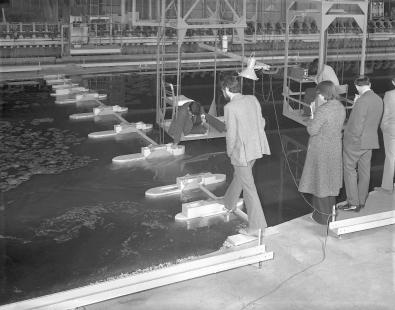
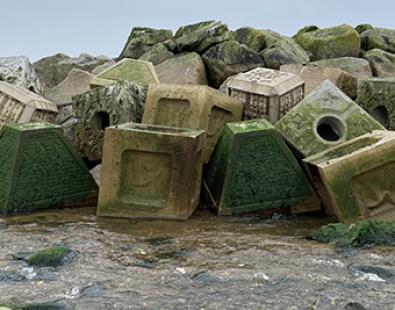
We provide integrated support from strategy to delivery. This includes port master planning that considers capacity growth, climate risks, navigational requirements and emerging markets such as floating offshore wind. We offer specialist expertise in coastal structures, helping to design, test and optimise breakwaters, revetments and quay walls. Our world‑leading physical modelling laboratories and advanced numerical tools allow clients to validate designs with confidence. Using our Ship Simulation facilities, pilots, tug crews and operators can test navigation scenarios, explore operational risks and strengthen real‑world capability.
Delivering resilience, performance and future‑ready capability
Our work enables clients to build safe, resilient and sustainable ports that support communities and global trade. Through design optimisation, realistic simulation and climate‑ready planning, we help organisations reduce risk, improve operational decision‑making and build long‑term resilience. Our Ship Simulation‑based training enhances operational capability and confidence, particularly for complex navigation environments or new vessel classes. The result is infrastructure and operations that are safer, more efficient and ready to support the opportunities of a low‑carbon maritime future.
Ports, harbours & shipping expertise
Strategic planning that explores future port layouts, navigation and vessel options, capacity requirements and infrastructure needs, helping ports understand long term development potential and sustainable growth pathways.
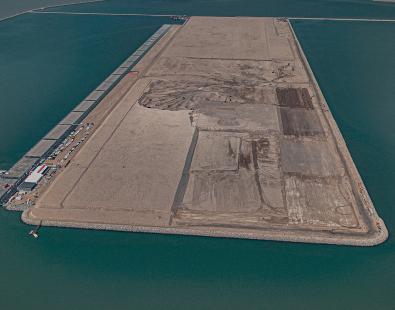
Technical design from concept to detail, including drawings, specifications and contract documents. Expertise covers marine structures, jetties, quays, navigation access, dredging, reclamation, and landside storage and terminal layouts.
Immersive navigation simulation studies using full bridge simulators to assess manoeuvrability, vessel access and operational risks across diverse ship types. Supports pilot and tug crew development and CPD.
Assessment of vessel motions, the effect of passing ships, underkeel clearance, and static and dynamic mooring forces using advanced in house numerical modelling.
Customisable simulation tools that integrate with wider port and navigation analyses to test operational scenarios, evaluate development options and support investment decisions.
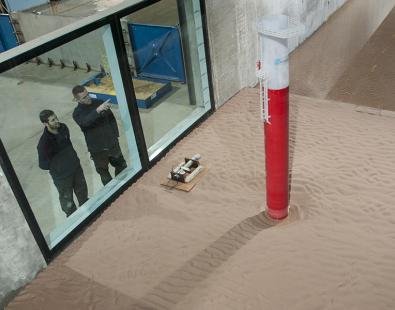
Hydrodynamic, wave and sediment modelling to refine layouts, test designs and predict real world behaviour, improving confidence in port development and coastal infrastructure planning.
Assessment of port requirements for floating offshore wind assembly, maintenance and logistics, including deep water access, quayside capacity and vessel manoeuvrability.
Design and optimisation of breakwaters, quay walls, revetments and seawalls, supported by physical and numerical modelling to improve performance, durability and resilience.
Evaluation of sediment transport, siltation and dredging strategies to maintain safe navigation and optimise long term operational efficiency.
Get in touch
Ole Angell