Secondary nav 2022

  • Equipment
  • Software
  • Training

Main navigation 2022

  • About
    • About HR Wallingford
    • Our leadership
    • Our people
    • Our impact
      • Annual report & financial statements
      • Gender pay
      • Social impact
      • Sustainability
    • Our story
    • News
    • Insight articles
    • Policies
  • Projects
  • Expertise
    • Coastal & marine sustainability
      • Coastal hazards & resilience
      • Coastal morphology & sediment dynamics
      • Dredging and sediment management
      • Marine & coastal environment
      • Ports, harbours and shipping
      • Subsea engineering
      • Waterfronts, marinas and resorts
    • Energy transition
      • Fixed offshore wind
      • Floating offshore wind
      • Liquified gas & transition fuels
      • Nuclear
      • Wave, tidal, solar & hydropower
    • Water & climate resilience
      • Dams & reservoirs
      • Freshwater environment
      • Integrated flood management
      • Surface water systems
      • Water management for climate resilient development
      • Water supply & drought resilience
  • Facilities
    • Explore our facilities
    • Ship simulation
      • Australia Ship Simulation Centre
      • UK Ship Simulation Centre
    • Physical modelling
      • Fast Flow Facility
      • Tsunami simulator
      • Volumetric flow flume
      • Wave basins
      • Wave flumes
      • Erosion rate measurement
      • Water rescue training
  • Careers
    • Careers overview
    • Working at HR Wallingford
    • Job opportunities
  • Contact
  • About
    • About HR Wallingford
    • Our leadership
    • Our people
    • Our impact
      • Annual report & financial statements
      • Gender pay
      • Social impact
      • Sustainability
    • Our story
    • News
    • Insight articles
    • Policies
  • Projects
  • Expertise
    • Coastal & marine sustainability
      • Coastal hazards & resilience
      • Coastal morphology & sediment dynamics
      • Dredging and sediment management
      • Marine & coastal environment
      • Ports, harbours and shipping
      • Subsea engineering
      • Waterfronts, marinas and resorts
    • Energy transition
      • Fixed offshore wind
      • Floating offshore wind
      • Liquified gas & transition fuels
      • Nuclear
      • Wave, tidal, solar & hydropower
    • Water & climate resilience
      • Dams & reservoirs
      • Freshwater environment
      • Integrated flood management
      • Surface water systems
      • Water management for climate resilient development
      • Water supply & drought resilience
  • Facilities
    • Explore our facilities
    • Ship simulation
      • Australia Ship Simulation Centre
      • UK Ship Simulation Centre
    • Physical modelling
      • Fast Flow Facility
      • Tsunami simulator
      • Volumetric flow flume
      • Wave basins
      • Wave flumes
      • Erosion rate measurement
      • Water rescue training
  • Careers
    • Careers overview
    • Working at HR Wallingford
    • Job opportunities
  • Contact
  1. Home >
  2. Projects >
  3. Improving access to Mesaieed Port
Improving access to Mesaieed Port

Share

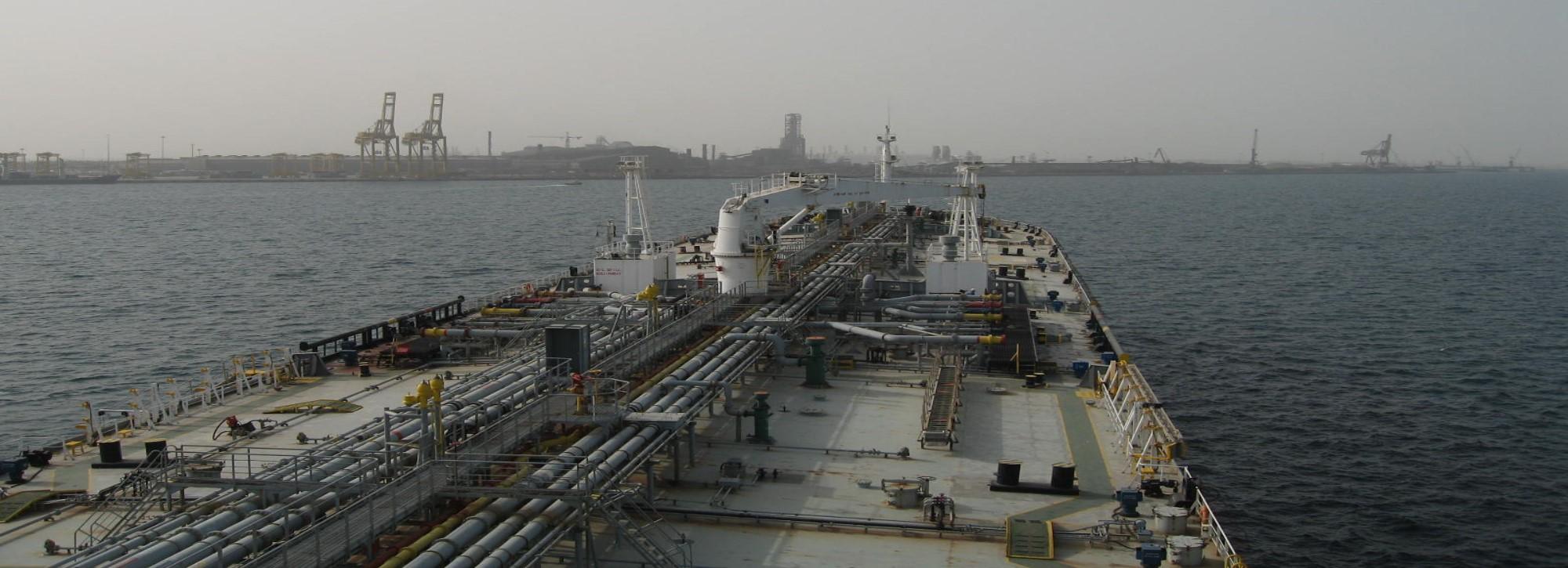
HR Wallingford looked at options for the upgrade and management of the navigation channels to Mesaieed Port in Doha. We identified a number practical measures that will improve access to the port, affording real economic benefits as well as helping to ensure future demand can be met.

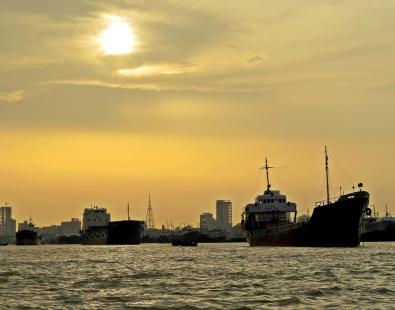
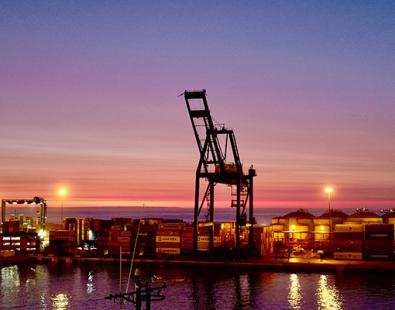
Located 40km from Doha, Mesaieed Industrial City is home to many large scale petrochemical and metallurgical plants, together with light industries and community areas. The area’s integral port is accessed by two long (about 40 nautical miles) outer channels and a system of inner channels. As part of the port redevelopment, Qatar Petroleum asked HR Wallingford to assess the performance of these navigation channels. We looked at how the channel network could be optimised and identified appropriate channel dimensions for safe access to larger vessels.

Applied technical expertise

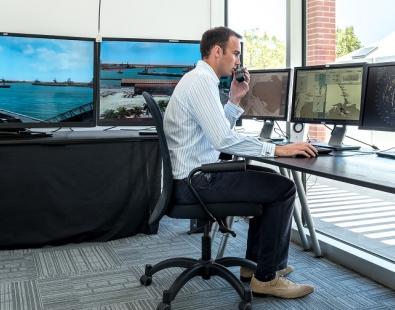
We applied our knowledge and expertise to support the preparation of a feasibility study for the port redevelopment. Our activities included modelling of wave climate and flow regime, sedimentation studies, dredging studies, traffic forecasting, development of a channel capacity model, ship navigation simulation, safety and risk studies, environmental appraisal and benefit-cost analysis.

Dredging impact studies

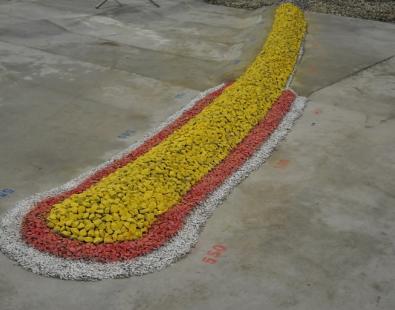
HR Wallingford carried out environmental appraisal of the various options for channel routing, realignment and deepening, by carrying out a comprehensive environmental risk assessment. We assessed the risks posed by dredging, the disposal of dredged material and the need to comply with environmental requirements for both onshore and offshore disposal; a factor made more acute by the long sailing distance between the furthest parts of the channel system and the shore.
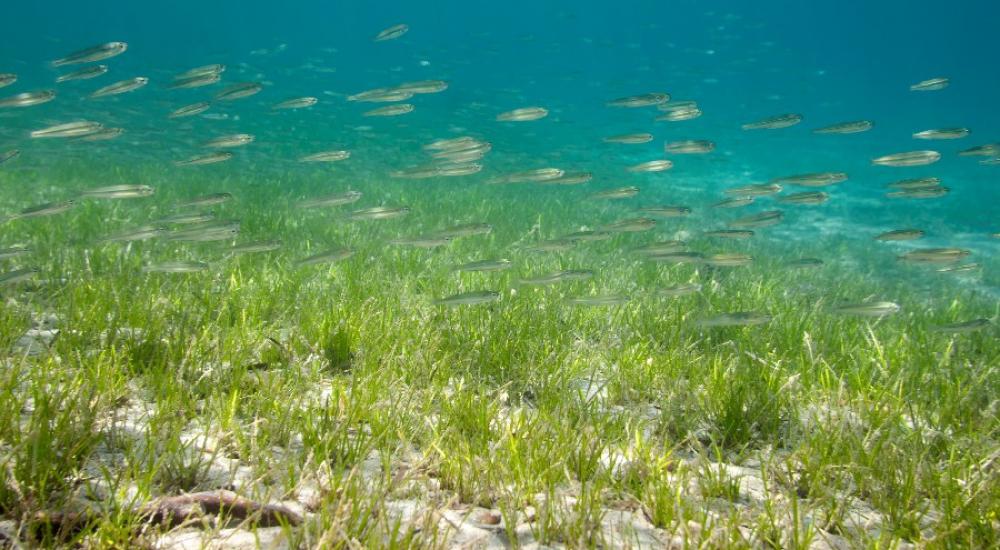
We assessed the environmental impact of the port development.

Delivering economic benefits

We made some practical recommendations for future upgrades to the channel system, showing how modest amounts of dredging could improve specific features of the channel geometries. The economic advantages of this were demonstrated through benefit-cost analysis. The benefits will derive from the ability to service deeper draft vessels at the port, thus enabling efficiencies in the shipment of goods and materials.

Get in touch

Ian Cruickshank
Contact

Explore more

  • All
  • Project
  • Expertise
  • News
  • Insight
  • Facility
screenshot of computer image of floating wind turbine in sea

Partnership to investigate floating wind turbine offshore storage areas

KOTUG runs first Mates-to-Masters Courses in Australia using our tug simulators

Thame Tideway Ship navigation study

Our simulators prepared crews for ‘super sewer’ project

Screenshot of a ship in SHIPMOOR software

Ground-breaking mooring tool launched in partnership with Witherbys

Report encourages ports to act soon on climate adaptation

DUKC® integrated into ship simulation system

HR Wallingford to help Chittagong welcome larger vessels

Expansion of port of San Antonio in Chile

Large model work for San Antonio breakwater summed up

Team tests options to extend Belgian breakwater

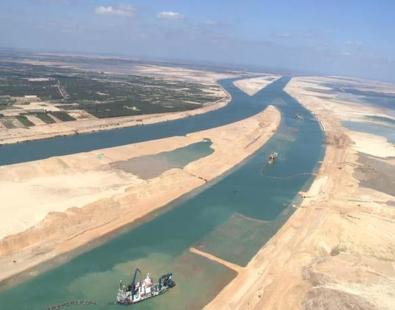
The Suez Canal, one of the world’s most heavily used shipping lanes.

Suez Canal to channel leading-edge research to stay at the max

view of coastal model of the beach in Nigeria

State-of-the-art modelling for Nigerian coast

Corsica considers results from 6km coastline model

We are global leaders and independent experts in how to live and work sustainably with water

Social media

  • BlueSky
  • LinkedIn
  • YouTube

Expertise

  • Coastal & marine
  • Energy transition
  • Water & climate
  • Software solutions
  • Equipment & technology

Company

  • About
  • Careers
  • News
  • Insights
  • Sustainability

Legal

  • Privacy & data protection
  • Policies
  • Modern slavery statement
  • Terms & conditions
  • Sitemap
© 2026 HR Wallingford
Contact