Secondary nav 2022

  • Equipment
  • Software
  • Training

Main navigation 2022

  • About
    • About HR Wallingford
    • Our leadership
    • Our people
    • Our impact
      • Annual report & financial statements
      • Gender pay
      • Social impact
      • Sustainability
    • Our story
    • News
    • Insight articles
    • Policies
  • Projects
  • Expertise
    • Coastal & marine sustainability
      • Coastal hazards & resilience
      • Coastal morphology & sediment dynamics
      • Dredging and sediment management
      • Marine & coastal environment
      • Ports, harbours and shipping
      • Subsea engineering
      • Waterfronts, marinas and resorts
    • Energy transition
      • Fixed offshore wind
      • Floating offshore wind
      • Liquified gas & transition fuels
      • Nuclear
      • Wave, tidal, solar & hydropower
    • Water & climate resilience
      • Dams & reservoirs
      • Freshwater environment
      • Integrated flood management
      • Surface water systems
      • Water management for climate resilient development
      • Water supply & drought resilience
  • Facilities
    • Explore our facilities
    • Ship simulation
      • Australia Ship Simulation Centre
      • UK Ship Simulation Centre
    • Physical modelling
      • Fast Flow Facility
      • Tsunami simulator
      • Volumetric flow flume
      • Wave basins
      • Wave flumes
      • Erosion rate measurement
      • Water rescue training
  • Careers
    • Careers overview
    • Working at HR Wallingford
    • Job opportunities
  • Contact
  • About
    • About HR Wallingford
    • Our leadership
    • Our people
    • Our impact
      • Annual report & financial statements
      • Gender pay
      • Social impact
      • Sustainability
    • Our story
    • News
    • Insight articles
    • Policies
  • Projects
  • Expertise
    • Coastal & marine sustainability
      • Coastal hazards & resilience
      • Coastal morphology & sediment dynamics
      • Dredging and sediment management
      • Marine & coastal environment
      • Ports, harbours and shipping
      • Subsea engineering
      • Waterfronts, marinas and resorts
    • Energy transition
      • Fixed offshore wind
      • Floating offshore wind
      • Liquified gas & transition fuels
      • Nuclear
      • Wave, tidal, solar & hydropower
    • Water & climate resilience
      • Dams & reservoirs
      • Freshwater environment
      • Integrated flood management
      • Surface water systems
      • Water management for climate resilient development
      • Water supply & drought resilience
  • Facilities
    • Explore our facilities
    • Ship simulation
      • Australia Ship Simulation Centre
      • UK Ship Simulation Centre
    • Physical modelling
      • Fast Flow Facility
      • Tsunami simulator
      • Volumetric flow flume
      • Wave basins
      • Wave flumes
      • Erosion rate measurement
      • Water rescue training
  • Careers
    • Careers overview
    • Working at HR Wallingford
    • Job opportunities
  • Contact
  1. Home >
  2. Projects >
  3. London Gateway Port

London Gateway Port

Share
London Gateway Port

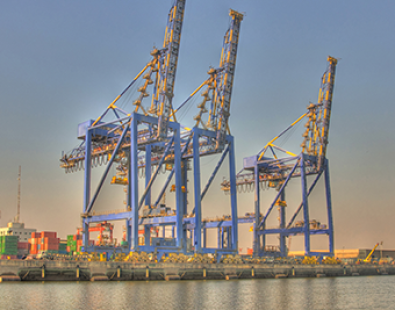
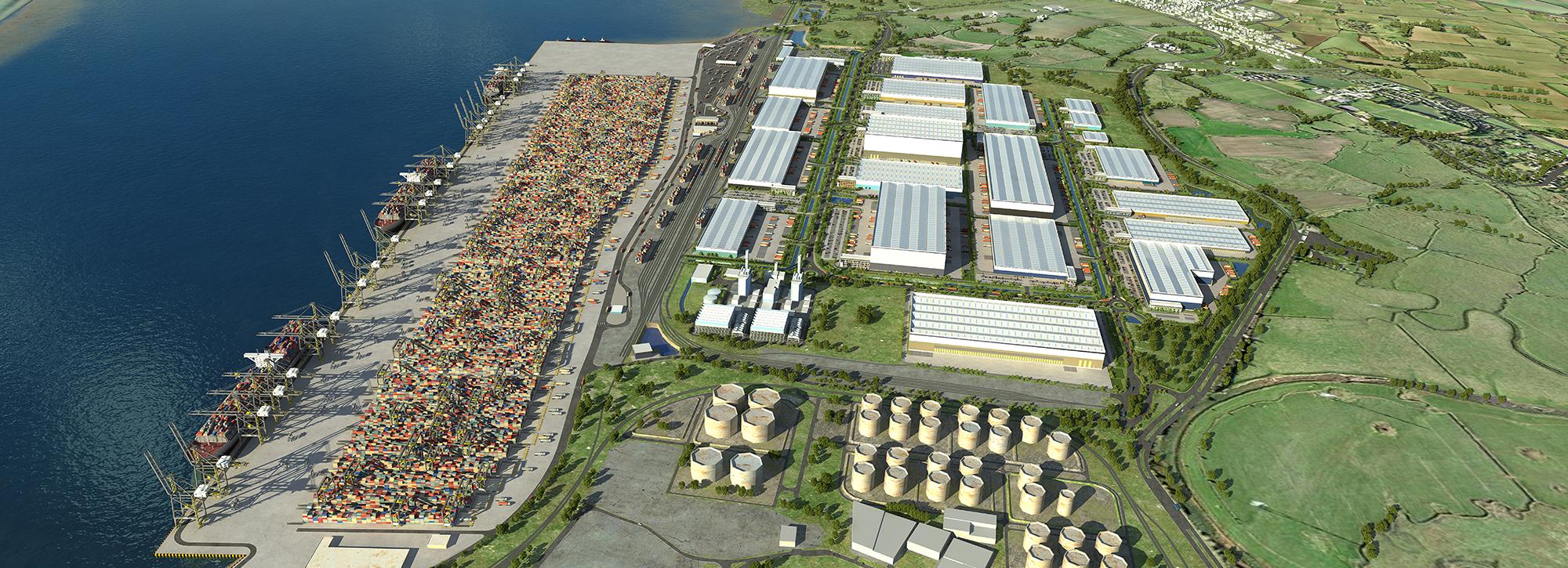
London Gateway Port is the UK’s first twenty-first century major deep-sea container port and Europe’s largest logistics park. HR Wallingford has been involved in the design and planning of London Gateway Port since 2002, and for over five years we have acted as DP World’s lead technical advisor for dredging, marine physical processes and marine physical monitoring.

Supporting port design and planning

DP World London Gateway represents a major investment in UK port infrastructure. HR Wallingford’s involvement in the London Gateway Port project pre-dates (and includes) the Public Inquiry and initially focused on state of the art modelling of currents, waves and sediment transport in the estuary. We used these models to assess the likely effects of various designs of quay, berths and channels on conditions within the Thames Estuary.

Dredging consultancy

HR Wallingford’s specialist team of dredging engineers and scientists have supported DP World London Gateway for the duration of the project. The project involved a significant capital dredge even by international standards. We modelled dredgers and sediment release from dredging activities using our bespoke dredger models. This information was used to assess likely effects of the port development on the marine environment and the sediment transport regime within the estuary.

Monitoring the marine environment

HR Wallingford has been DP World London Gateway’s lead advisor with respect to physical monitoring of the marine environment, assisting with a wide range of aspects including: monitoring design, cost estimation, tendering, contracts, client representation, data processing, reporting, quality assurance/checking and interpretation. The marine physical monitoring system devised works in real-time, supplying data to a dedicated website. Both caution (warning) and stop thresholds are in place to help manage dredging activities. Such careful monitoring and management of the dredging activities is important given London Gateway Port’s proximity to a Site of Special Scientific Interest (SSSI), the Thames Estuary and Marshes Special Protection Area (SPA), an internationally important bird habitat and the UK’s largest cockle fishery.

Regulator and stakeholder liaison

HR Wallingford’s role involves assisting DP World London Gateway with its responsibilities regarding reporting to regulators and stakeholders. HR Wallingford is an active member of DP World London Gateway’s Assurance Team and regularly presents to the project’s Environmental Advisory Group.

Evolving relationship

The construction of Phase 1 of the port is almost complete. The first container ships have started using the facility. At this time our role is developing and increasing attention is being paid to operational issues such as maintenance dredging and routine monitoring activities. 
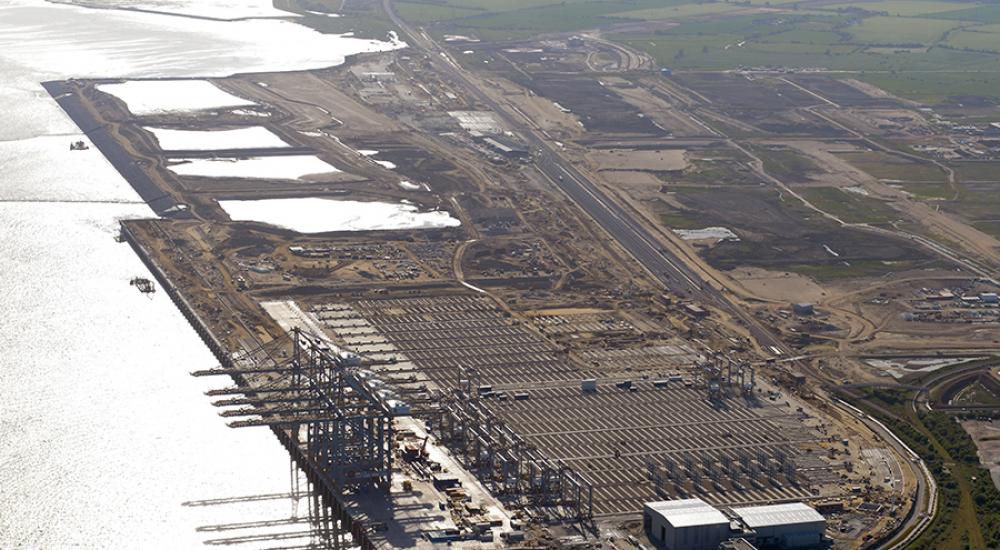
The construction and opening of the development represents a major milestone in the UK ports sector and a new phase of the project in which HR Wallingford is very pleased to have played a part.

Get in touch

Mike Dearnaley

Technical Director
Contact Profile

Explore more

  • All
  • Project
  • Expertise
  • News
  • Insight
  • Facility

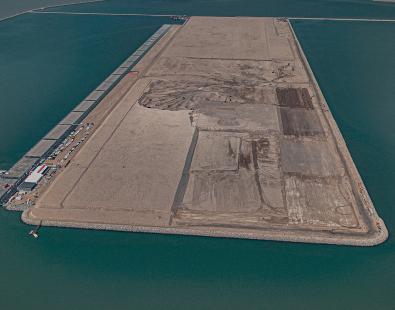
Engineering sustainable growth at Al Faw Grand Port

View of a pilot in front of two computer screens

Richer data helps Thames pilots plan safer passages

picture of white sandy Avalon beach

Modelling the burial and exposure of unexploded ordnance

View of Port Quasim

Facilitating the growth of Port Qasim

view of coral reef along coast

Insuring the benefits of nature-based solutions in the Caribbean

view of the suffolk coast in Sizewell

Sizewell C cooling water system

Greening coastal infrastructure

Greening coastal infrastructure

image of mangrove forest and underwater channel

Nature-based solutions in the Caribbean

River floods in city in Peru, South America

Early warning system helps Peru build back better

view of a flume physical model with water and instrumentation

Investigating sand-gravel beach morphodynamics to help protect coastlines

aerial view of Aberdeen port - courtesy of Aberdeen Harbour Board.

Aberdeen South Harbour: a project of national significance

We are global leaders and independent experts in how to live and work sustainably with water

Social media

  • BlueSky
  • LinkedIn
  • YouTube

Expertise

  • Coastal & marine
  • Energy transition
  • Water & climate
  • Software solutions
  • Equipment & technology

Company

  • About
  • Careers
  • News
  • Insights
  • Sustainability

Legal

  • Privacy & data protection
  • Policies
  • Modern slavery statement
  • Terms & conditions
  • Sitemap
© 2026 HR Wallingford
Contact