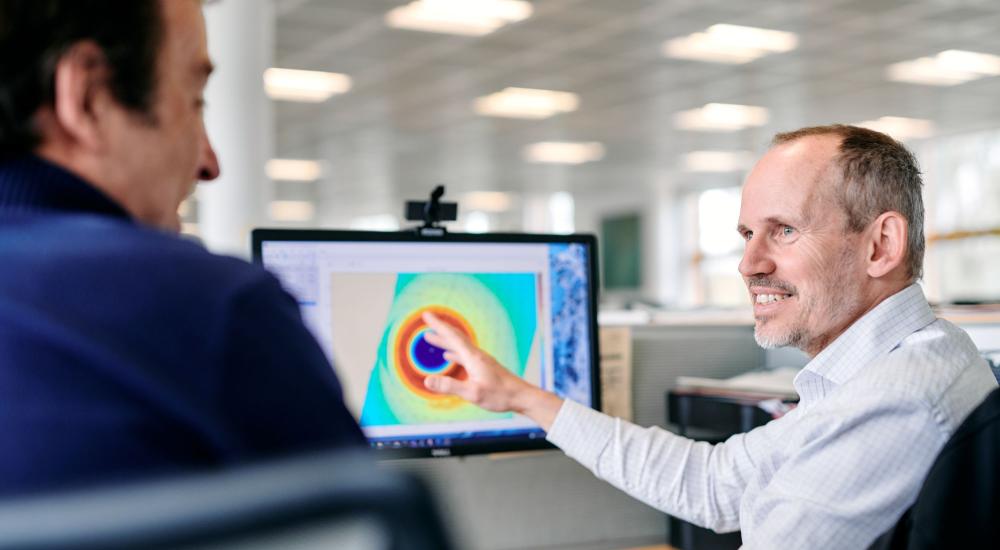
Stephen Grey

Dr Stephen Grey is a Principal Scientist specialising in wave modelling and tropical cyclones. He has a PhD in Physical Oceanography and is a Chartered Marine Scientist. Since joining us in 2001, he has carried out numerous studies predicting design wave conditions and the influence of structures on them. He lectures on wave theory and the practical application of the SWAN wave. As our tropical cyclone lead, he has driven the development of cyclonic marine modelling techniques and the statistical analysis of cyclones.

What is your specialism and what attracted you to it?
My specialism is the impact of tropical cyclones on the marine environment. In many parts of the world, tropical cyclones are the cause of extreme conditions leading to large waves, surge and flooding of coastal areas. This posed a challenge to modellers as the nature of tropical cyclones required different methods to be developed and innovation in both modelling and statistical analysis.
What have been your career highlights at HR Wallingford?
In May 2020, we were approached by the Foreign, Commonwealth and Development Office asking for advice as Cyclone Amphan approached the coast of Bangladesh. Together with a small team, we quickly adapted a hydrodynamic model of the northern Bay of Bengal, produced wind fields from forecasts of the cyclone track to predict the potential surge and flooding. This then led to a project to forecast flooding from tropical cyclones, providing early warning for humanitarian relief operation, which we worked on with partners ECMWF, the Universities of Reading and Bristol, and Fathom. It was great to apply our expertise and capability for a very worthwhile cause.
How have you delivered impact in your role?
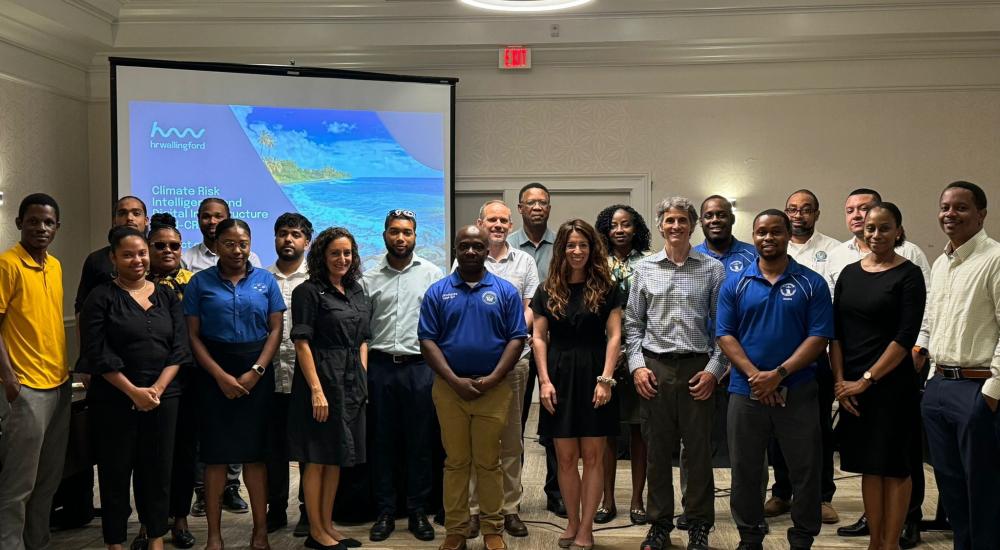
I have worked on several projects in the Caribbean, assessing the tropical cyclone flood hazard and setting up forecasting systems. These help the island nations to become more resilient to the impacts of hurricanes – a threat that is increasing in a warming climate.
What is it like working here?
Interesting, varied and challenging.
What do you enjoy most at HR Wallingford?
Working with many intelligent, knowledgeable and passionate colleagues on a diverse range of projects.
What excites you most about your work?
Every project involves something new. I get most excited when there is a difficult challenge requiring innovation or when I have to solve a particularly tricky problem.
I also get great satisfaction from presenting, whether it is to stakeholders from a hurricane affected island, to experts at an international conference, or to students on a training course.
What made you apply to work at HR Wallingford, and has the job been what you expected?
I had recently completed a PhD in Physical Oceanography and was looking for somewhere to apply my knowledge. I didn’t really know what to expect but I immediately became involved in a wide range of projects from the Outer Hebrides to Pakistan. I have particularly enjoyed problem solving to deliver the best results and advice to clients.
How have you grown and developed with HR Wallingford?
Coming out of academia, I was well acquainted with the theoretical side of oceanography and I have continued to grow my scientific experience and knowledge. In addition, I have grown to understand the complexities and compromises required to run numerical modelling studies on consultancy projects.
Our models and analysis are tools that have to be used expertly – I often say it is as important to know what a model cannot do as to know what it can. The interpretation of results and how to present the best advice to clients are skills that I have developed over the many years and many projects I have been working at HR Wallingford.
What are the big challenges that need solving in your work area?
Tropical cyclones are the most powerful meteorological systems on earth and generate the strongest sustained winds. Under these conditions, the interaction between the atmosphere and the ocean is at the limit of our understanding. Their erratic behaviour make tropical cyclones hard to predict and they continue to surprise causing destruction and risk to life. Climate change will likely lead to more intense cyclones over a wider range; tropical cyclones are likely to turn up in places previously thought to be outside their domain.
What do you enjoy outside of work?
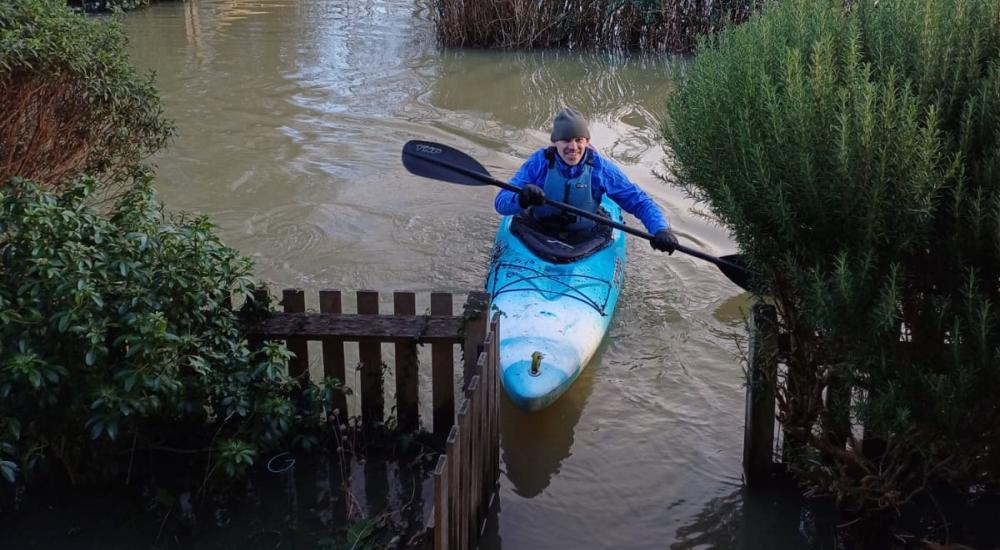
I like to go rock climbing, kayaking and working on our 17th century thatched cottage.