Secondary nav 2022

  • Equipment
  • Software
  • Training

Main navigation 2022

  • About
    • About HR Wallingford
    • Our leadership
    • Our people
    • Our impact
      • Annual report & financial statements
      • Gender pay
      • Social impact
      • Sustainability
    • Our story
    • News
    • Insight articles
    • Policies
  • Projects
  • Expertise
    • Coastal & marine sustainability
      • Coastal hazards & resilience
      • Coastal morphology & sediment dynamics
      • Dredging and sediment management
      • Marine & coastal environment
      • Ports, harbours and shipping
      • Subsea engineering
      • Waterfronts, marinas and resorts
    • Energy transition
      • Fixed offshore wind
      • Floating offshore wind
      • Liquified gas & transition fuels
      • Nuclear
      • Wave, tidal, solar & hydropower
    • Water & climate resilience
      • Dams & reservoirs
      • Freshwater environment
      • Integrated flood management
      • Surface water systems
      • Water management for climate resilient development
      • Water supply & drought resilience
  • Facilities
    • Explore our facilities
    • Ship simulation
      • Australia Ship Simulation Centre
      • UK Ship Simulation Centre
    • Physical modelling
      • Fast Flow Facility
      • Tsunami simulator
      • Volumetric flow flume
      • Wave basins
      • Wave flumes
      • Erosion rate measurement
      • Water rescue training
  • Careers
    • Careers overview
    • Working at HR Wallingford
    • Job opportunities
  • Contact
  • About
    • About HR Wallingford
    • Our leadership
    • Our people
    • Our impact
      • Annual report & financial statements
      • Gender pay
      • Social impact
      • Sustainability
    • Our story
    • News
    • Insight articles
    • Policies
  • Projects
  • Expertise
    • Coastal & marine sustainability
      • Coastal hazards & resilience
      • Coastal morphology & sediment dynamics
      • Dredging and sediment management
      • Marine & coastal environment
      • Ports, harbours and shipping
      • Subsea engineering
      • Waterfronts, marinas and resorts
    • Energy transition
      • Fixed offshore wind
      • Floating offshore wind
      • Liquified gas & transition fuels
      • Nuclear
      • Wave, tidal, solar & hydropower
    • Water & climate resilience
      • Dams & reservoirs
      • Freshwater environment
      • Integrated flood management
      • Surface water systems
      • Water management for climate resilient development
      • Water supply & drought resilience
  • Facilities
    • Explore our facilities
    • Ship simulation
      • Australia Ship Simulation Centre
      • UK Ship Simulation Centre
    • Physical modelling
      • Fast Flow Facility
      • Tsunami simulator
      • Volumetric flow flume
      • Wave basins
      • Wave flumes
      • Erosion rate measurement
      • Water rescue training
  • Careers
    • Careers overview
    • Working at HR Wallingford
    • Job opportunities
  • Contact
  1. Home >
  2. Training >
  3. Coastal processes and management
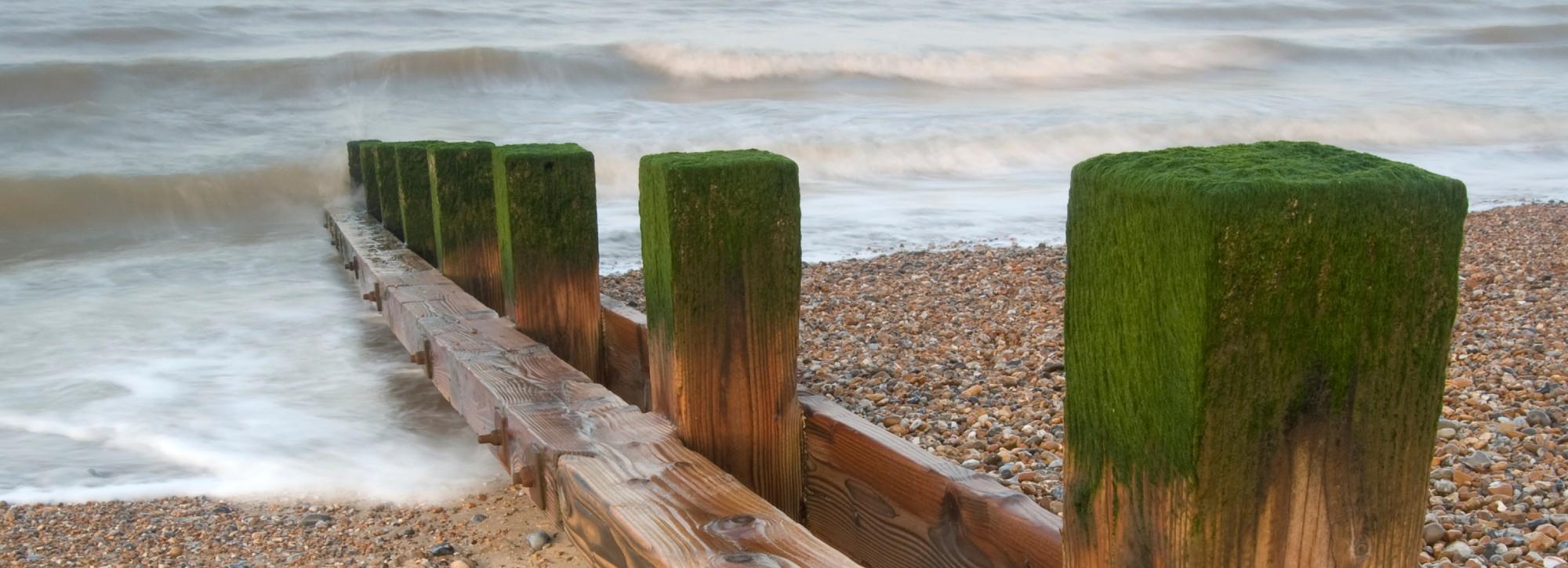
Coastal processes and management

Share
Coastal processes and management

This introductory course, relevant to engineers, coastal landowners, regulators and operating authorities; explores the history, processes and modelling of changes at the coastline. Delegates will gain practical advice that can be directly implemented into the design methods for coastal engineering and management schemes.

Duration
Two days
Type
Training course
Select variants
No course dates are currently available
Register interest

The risk of coastal flooding and erosion, both in the UK and overseas, will increase as existing man-made defences (e.g. flood embankments and seawalls) deteriorate and as a result of sea level rise due to climate change. Land close to the sea is often under pressure, both from development and as a natural resource (e.g. to provide minerals and renewable energy). There are, however, constraints on public spending and a growing awareness of the need to preserve the natural coastal environment and to ensure that its management is sustainable.

It is important to understand the physical processes that have so far shaped and will continue to affect the coastline before contemplating any engineering or management works. These processes include wave generation and propagation, the movements of the tides and the resulting disturbance and transport of sediments both over the seabed and on beaches. Predicting how the coastline will continue to change, with or without man's intervention, is a fundamental requirement for planning its management.

This introductory course, relevant to engineers, coastal landowners, regulators and operating authorities; explores the history, processes and modelling of changes at the coastline. Delegates will gain practical advice that can be directly implemented into the design methods for coastal engineering and management schemes.

Course content
  • Coastal management planning - An overview of the reasons for and history of changes and management of coastlines.
  • Waves and tides - An introduction and the requirements for coastal management.
  • Beach sediment transport/ morphology processes.
  • Planning coastal management and engineering schemes - An introduction to options, appropriate methods and assessing the potential effects of such works.
Who should attend?

Those who have just started or are about to start work on coastal management or engineering activities including engineers and managers from local authorities, coastal landowners, regulators and operating authorities.

Learning outcomes

At the end of the course participants will understand:

  • the types of problems that need to be solved in coastal engineering and management; 
  • how wave conditions, tidal flows and levels and their joint occurrence can be evaluated; 
  • how coastlines of different types have evolved and are likely to change in the future; 
  • how alternative methods of reducing risks of erosion or flooding are planned and designed;
  • issues relating to the design, performance, sustainability and effects of any type of infrastructure that needs to be engineered with knowledge of coastal processes.

Excellent and informative course. Extensive amount of information delivered over two days. Knowledgeable speakers for each topic covered. 

Past delegate

FAQs

More information about travel and accommodation, booking and confirmation and more.

Read more

Course login

Access joining instructions, course materials and course certificates inyour secure course area.

Login

Get in touch

Sarah Moxon

Events & Publications Coordinator
Contact

We are global leaders and independent experts in how to live and work sustainably with water

Social media

  • BlueSky
  • LinkedIn
  • YouTube

Expertise

  • Coastal & marine
  • Energy transition
  • Water & climate
  • Software solutions
  • Equipment & technology

Company

  • About
  • Careers
  • News
  • Insights
  • Sustainability

Legal

  • Privacy & data protection
  • Policies
  • Modern slavery statement
  • Terms & conditions
  • Sitemap
© 2026 HR Wallingford