Secondary nav 2022

  • Equipment
  • Software
  • Training

Main navigation 2022

  • About
    • About HR Wallingford
    • Our leadership
    • Our people
    • Our impact
      • Annual report & financial statements
      • Gender pay
      • Social impact
      • Sustainability
    • Our story
    • News
    • Insight articles
    • Policies
  • Projects
  • Expertise
    • Coastal & marine sustainability
      • Coastal hazards & resilience
      • Coastal morphology & sediment dynamics
      • Dredging and sediment management
      • Marine & coastal environment
      • Ports, harbours and shipping
      • Subsea engineering
      • Waterfronts, marinas and resorts
    • Energy transition
      • Fixed offshore wind
      • Floating offshore wind
      • Liquified gas & transition fuels
      • Nuclear
      • Wave, tidal, solar & hydropower
    • Water & climate resilience
      • Dams & reservoirs
      • Freshwater environment
      • Integrated flood management
      • Surface water systems
      • Water management for climate resilient development
      • Water supply & drought resilience
  • Facilities
    • Explore our facilities
    • Ship simulation
      • Australia Ship Simulation Centre
      • UK Ship Simulation Centre
    • Physical modelling
      • Fast Flow Facility
      • Tsunami simulator
      • Volumetric flow flume
      • Wave basins
      • Wave flumes
      • Erosion rate measurement
      • Water rescue training
  • Careers
    • Careers overview
    • Working at HR Wallingford
    • Job opportunities
  • Contact
  • About
    • About HR Wallingford
    • Our leadership
    • Our people
    • Our impact
      • Annual report & financial statements
      • Gender pay
      • Social impact
      • Sustainability
    • Our story
    • News
    • Insight articles
    • Policies
  • Projects
  • Expertise
    • Coastal & marine sustainability
      • Coastal hazards & resilience
      • Coastal morphology & sediment dynamics
      • Dredging and sediment management
      • Marine & coastal environment
      • Ports, harbours and shipping
      • Subsea engineering
      • Waterfronts, marinas and resorts
    • Energy transition
      • Fixed offshore wind
      • Floating offshore wind
      • Liquified gas & transition fuels
      • Nuclear
      • Wave, tidal, solar & hydropower
    • Water & climate resilience
      • Dams & reservoirs
      • Freshwater environment
      • Integrated flood management
      • Surface water systems
      • Water management for climate resilient development
      • Water supply & drought resilience
  • Facilities
    • Explore our facilities
    • Ship simulation
      • Australia Ship Simulation Centre
      • UK Ship Simulation Centre
    • Physical modelling
      • Fast Flow Facility
      • Tsunami simulator
      • Volumetric flow flume
      • Wave basins
      • Wave flumes
      • Erosion rate measurement
      • Water rescue training
  • Careers
    • Careers overview
    • Working at HR Wallingford
    • Job opportunities
  • Contact
  1. Home >
  2. Training >
  3. Waves and wave modelling using SWAN
Waves and wave modelling using SWAN

Share
Waves and wave modelling using SWAN

This course provides a summary of the theory related to wave transformation. Delivering a hands-on introduction to setting up and running SWAN, including pre- and post-processing, it is aimed at both students and professionals, and no previous experience of running computational wave models is required.

Duration
Two days
Type
Training course
Select variants
No course dates are currently available
Register interest

The design of coastal structures is typically reliant on prediction of wave conditions in shallow water. Examples of such structures include coastal sea defences, breakwaters, harbours and marine terminals and offshore renewable structures.

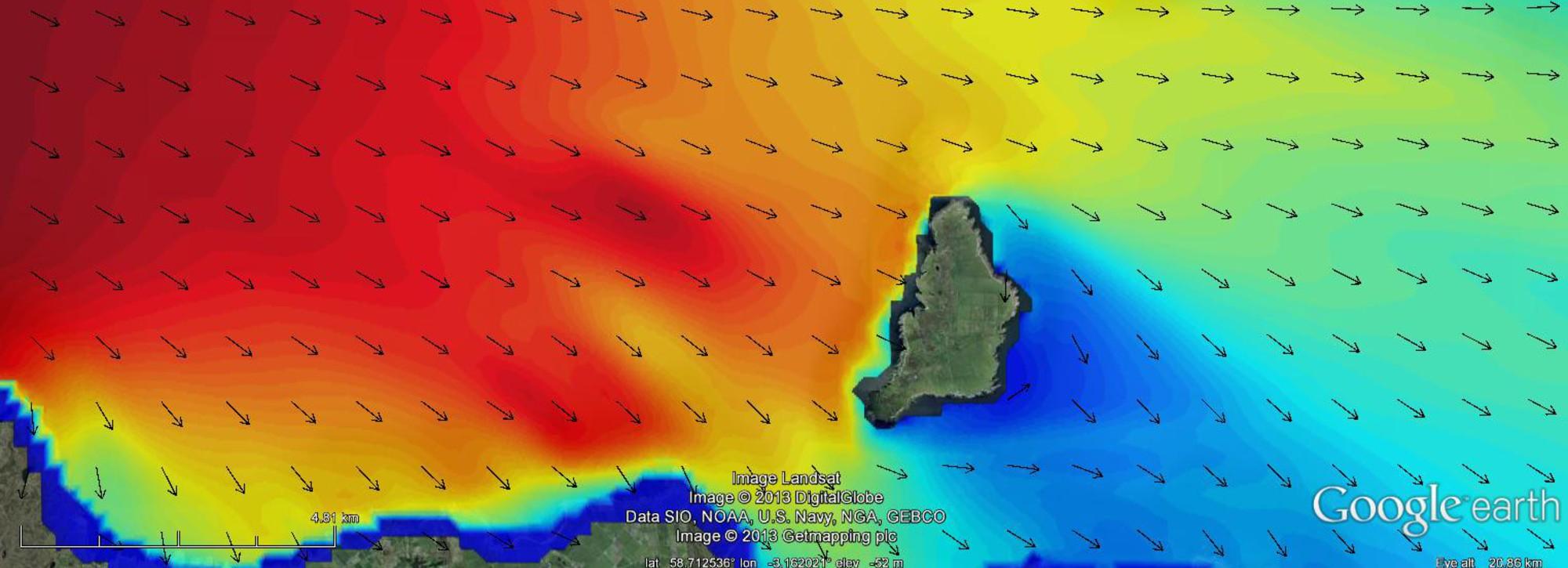
As waves transform from offshore they are modified by several processes dependent on the period of the waves and the water depth. In many situations, natural and dredged seabed levels lead to complex wave transformations that can only be represented accurately using computational wave models.

A wide range of computational wave models are available; their use depends on the dominant physical processes, the extent of the area of interest and computational demands. The SWAN spectral wave model, developed by TU Delft, is a reliable model for wave generation and transformation in relatively shallow water and is widely used within the industry for deriving operational and design wave conditions in coastal waters.

This two day course provides a summary of the theory related to wave transformation, and then a hands-on introduction to setting up and running SWAN, including pre- and post-processing. Example applications of SWAN are also presented.

Course content
  • Introduction of concepts (overview of wave transformation modelling).
  • Background wave theory relevant to spectral wave transformation modelling.
  • Grid generation.
  • Model settings and SWAN steering file keywords.
  • How to run SWAN.
  • Model calibration and validation.
  • Analysis and visualisation of results.
Who should attend?

Students and professionals, e.g. coastal engineers from consultants and local government. No previous experience of running computational wave models is required.

Learning outcoming

At the end of the course participants will:

  • be able to set up and run SWAN and analyse and plot model results;
  • have a working version of SWAN installed on their laptop

Good knowledge of the subject by the trainer. 

Past delegate

FAQs

More information about travel and accommodation, booking and confirmation and more.

Read more

Course login

Access joining instructions, course materials and course certificates inyour secure course area.

Login

Get in touch

Sarah Moxon

Events & Publications Coordinator
Contact

Related courses

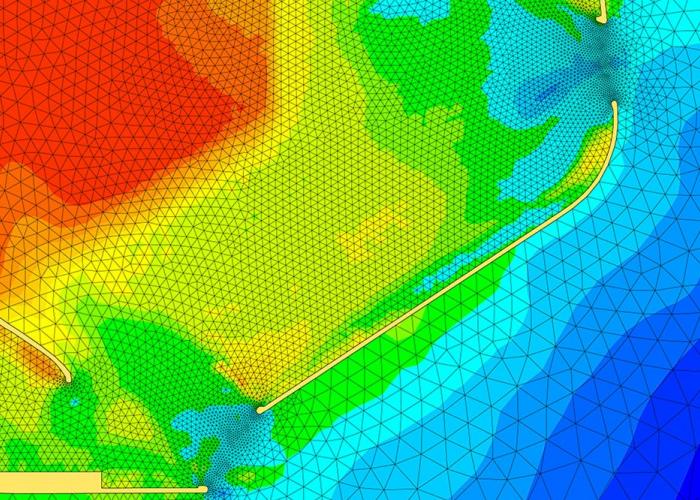
screenshot of TELEMAC output
TELEMAC summer school

We are global leaders and independent experts in how to live and work sustainably with water

Social media

  • BlueSky
  • LinkedIn
  • YouTube

Expertise

  • Coastal & marine
  • Energy transition
  • Water & climate
  • Software solutions
  • Equipment & technology

Company

  • About
  • Careers
  • News
  • Insights
  • Sustainability

Legal

  • Privacy & data protection
  • Policies
  • Modern slavery statement
  • Terms & conditions
  • Sitemap
© 2026 HR Wallingford